
Last updated September 22, 2026
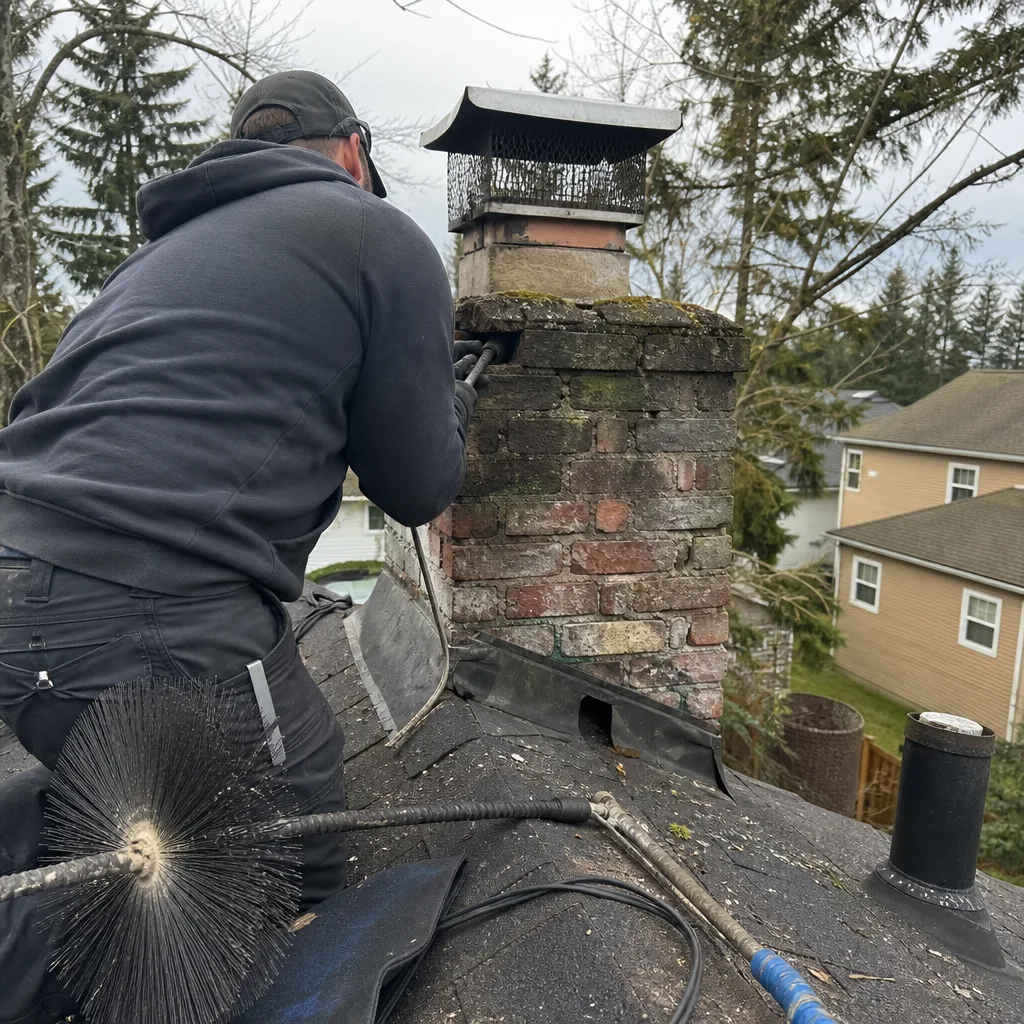
Level 1 sweep and inspection to the NFPA 211 annual standard - flue, crown, cap, and flashing checked and photographed
Chimney sweep logs do not sweep chimneys. They loosen some creosote - which then falls where a brush and vacuum still have to collect it.
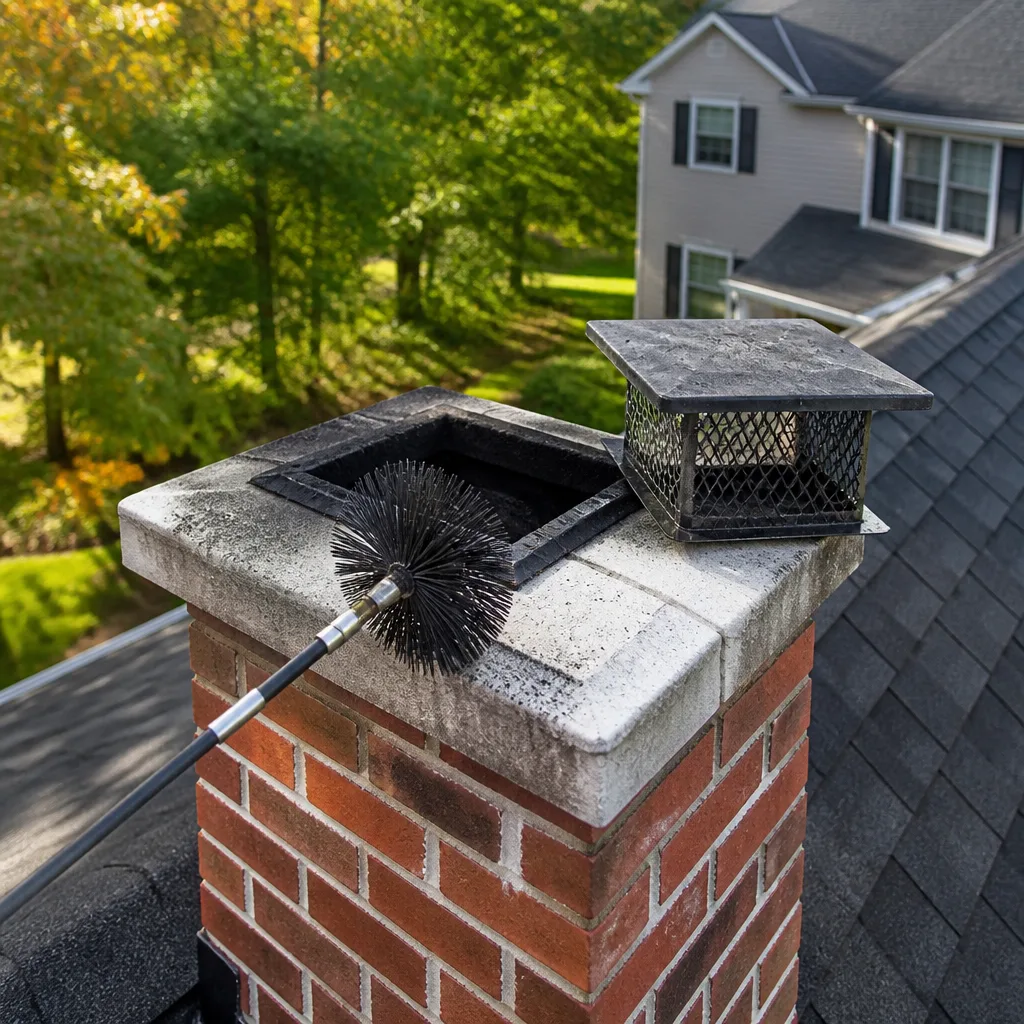
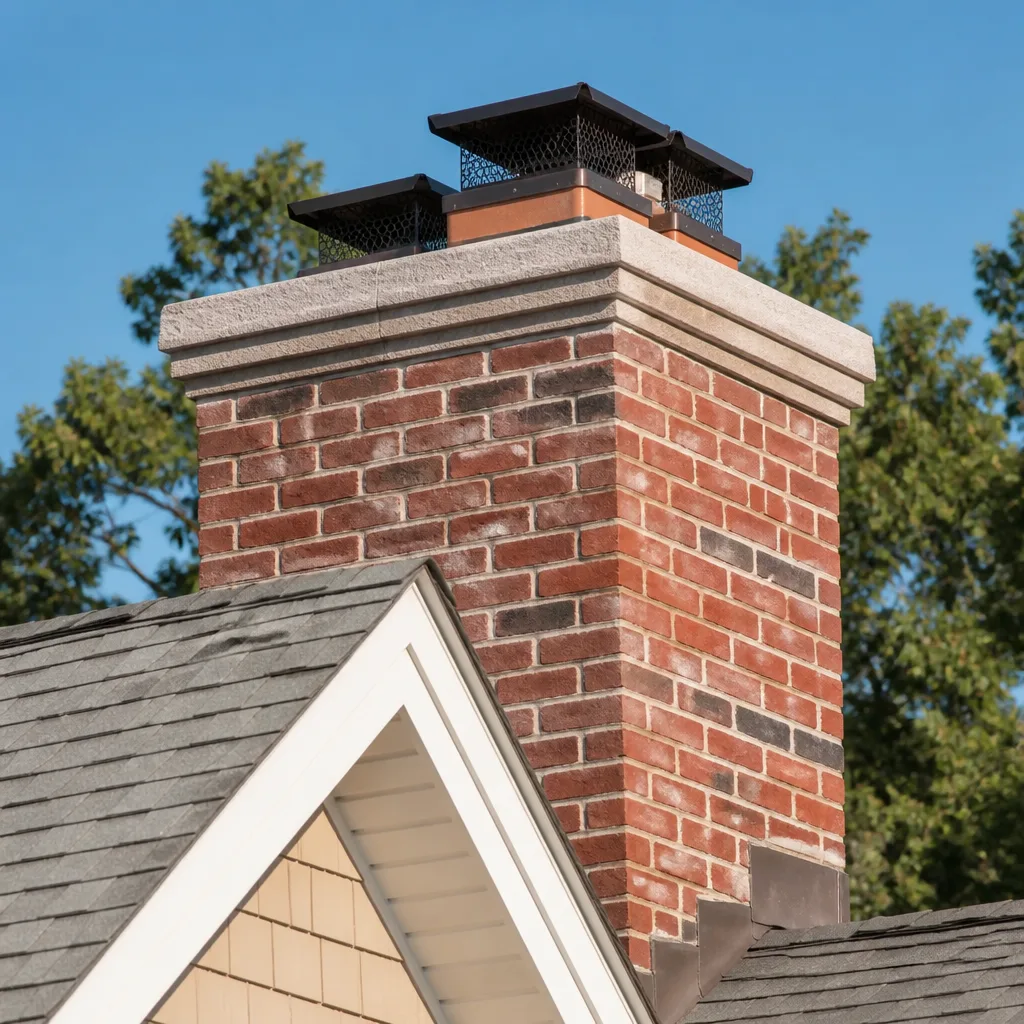
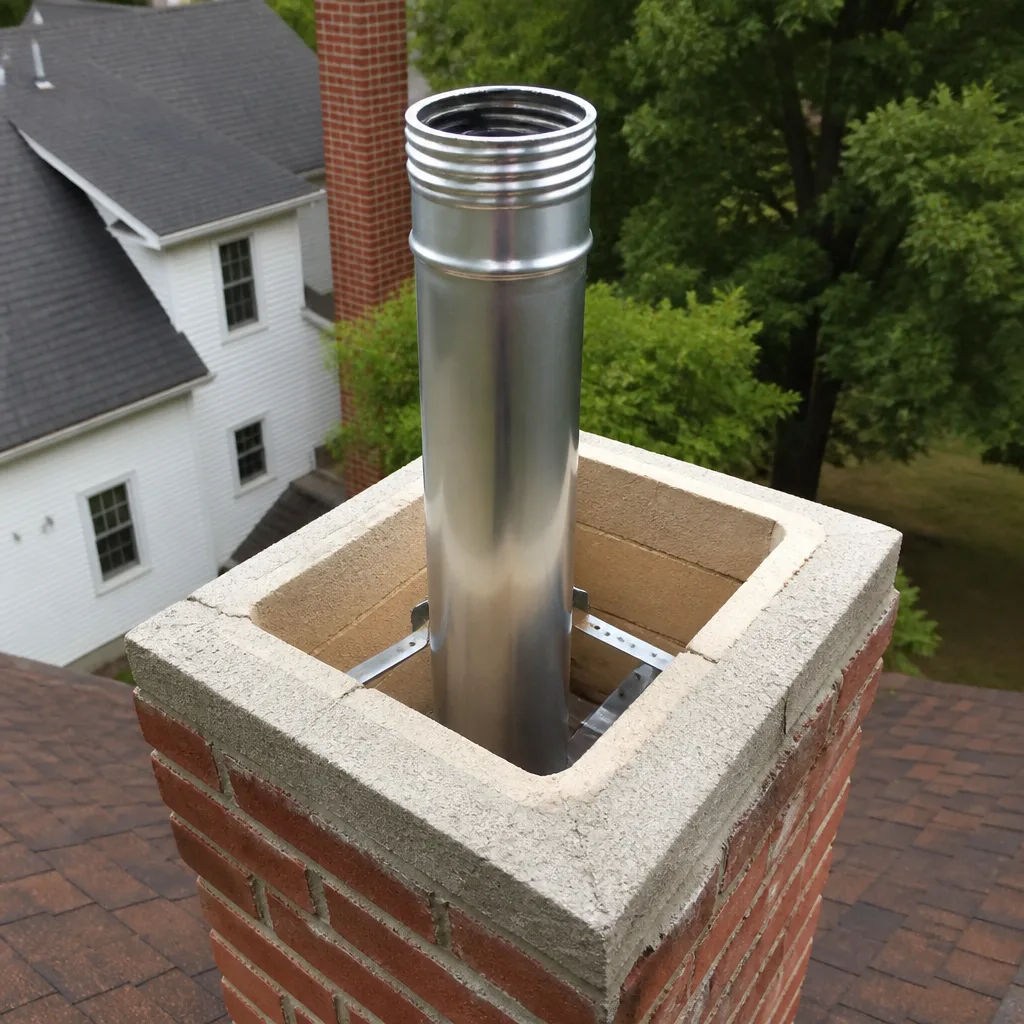
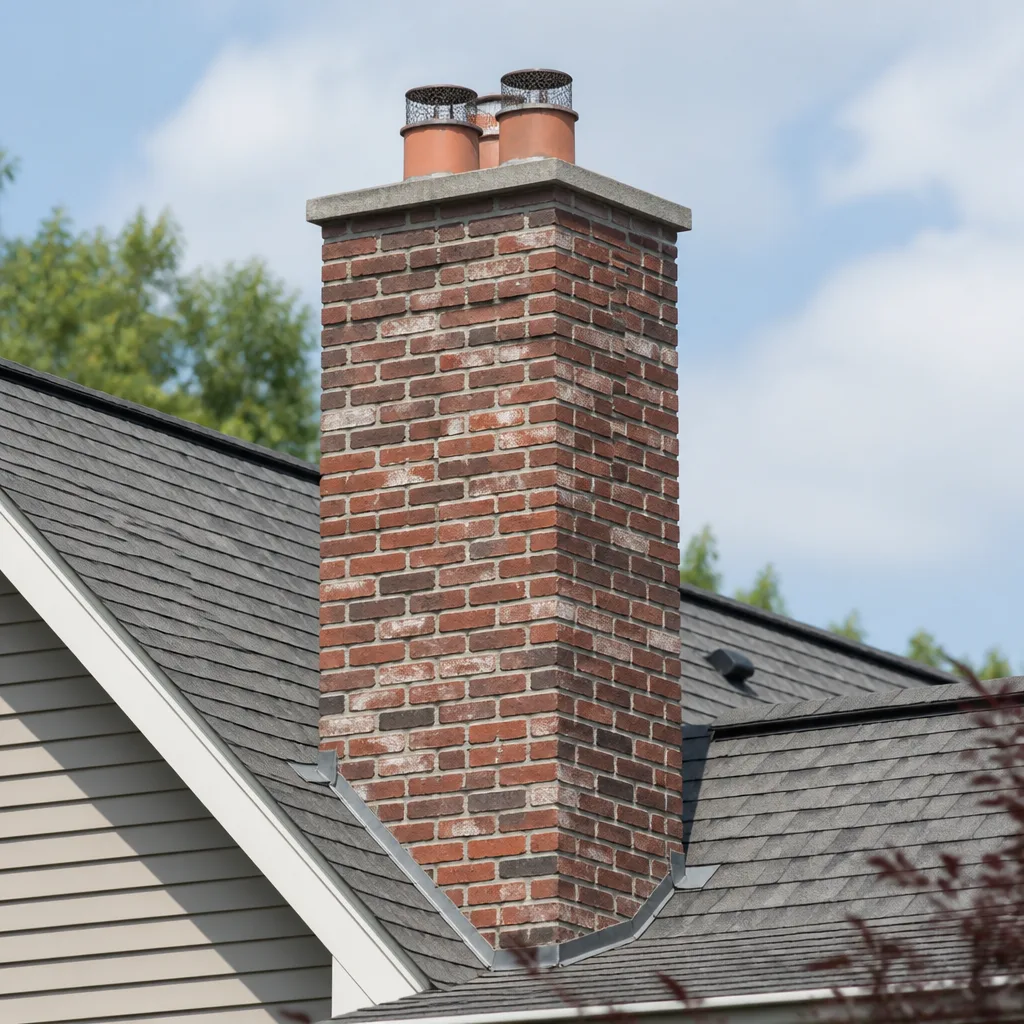
 Before
 After
After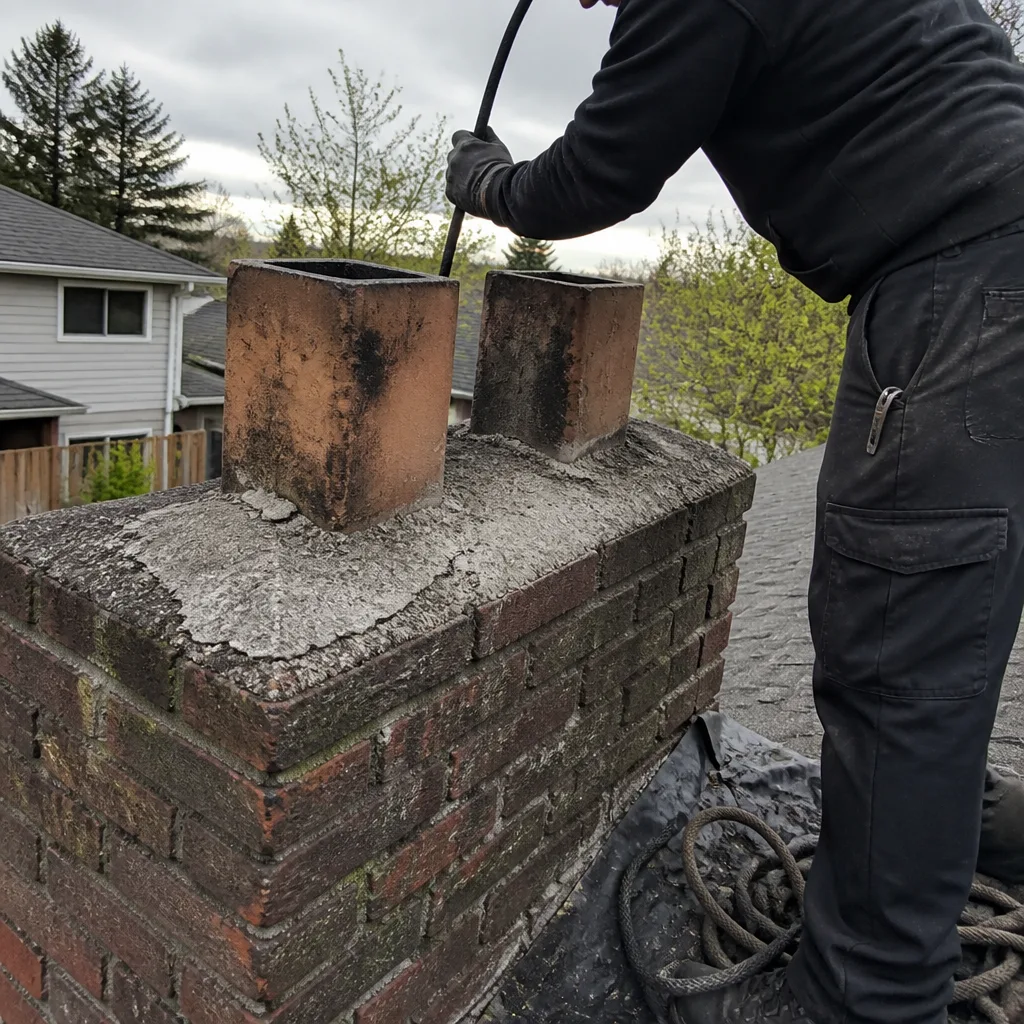 Before
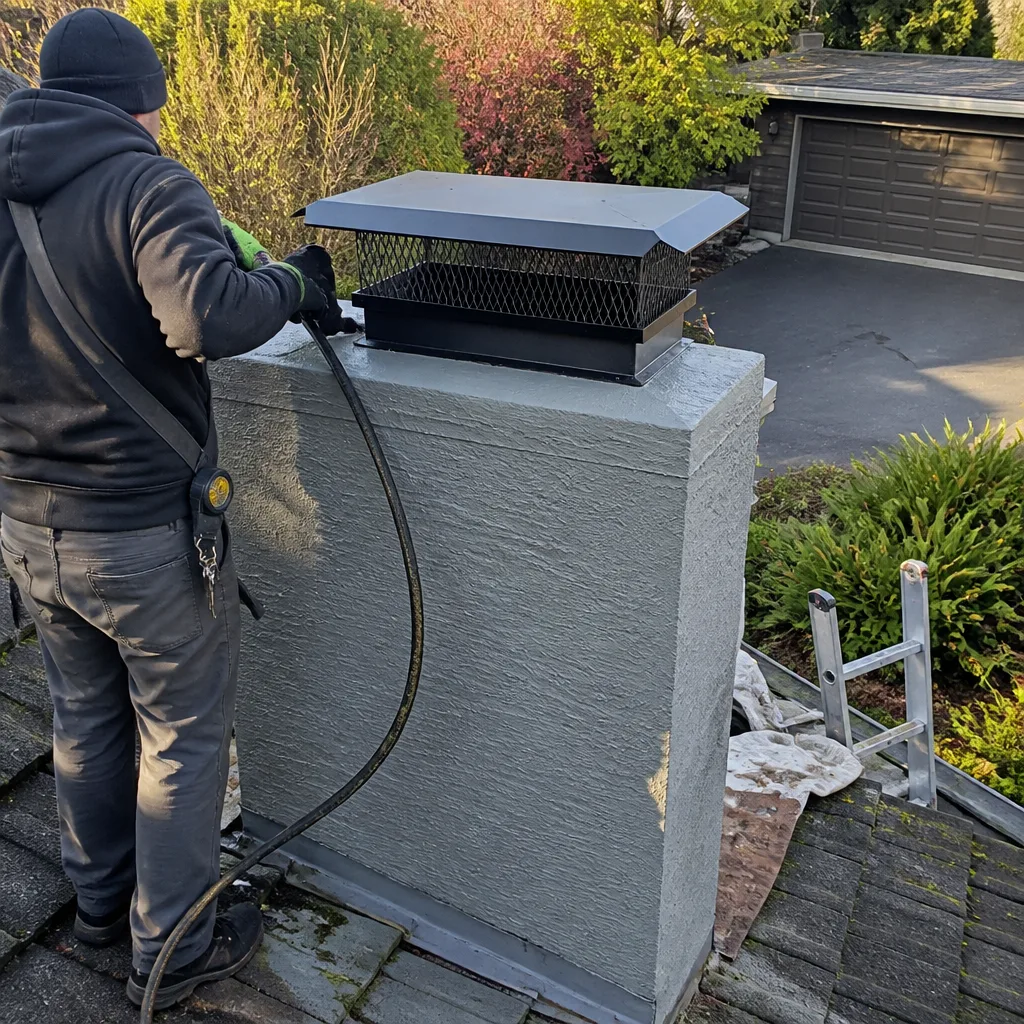 After
After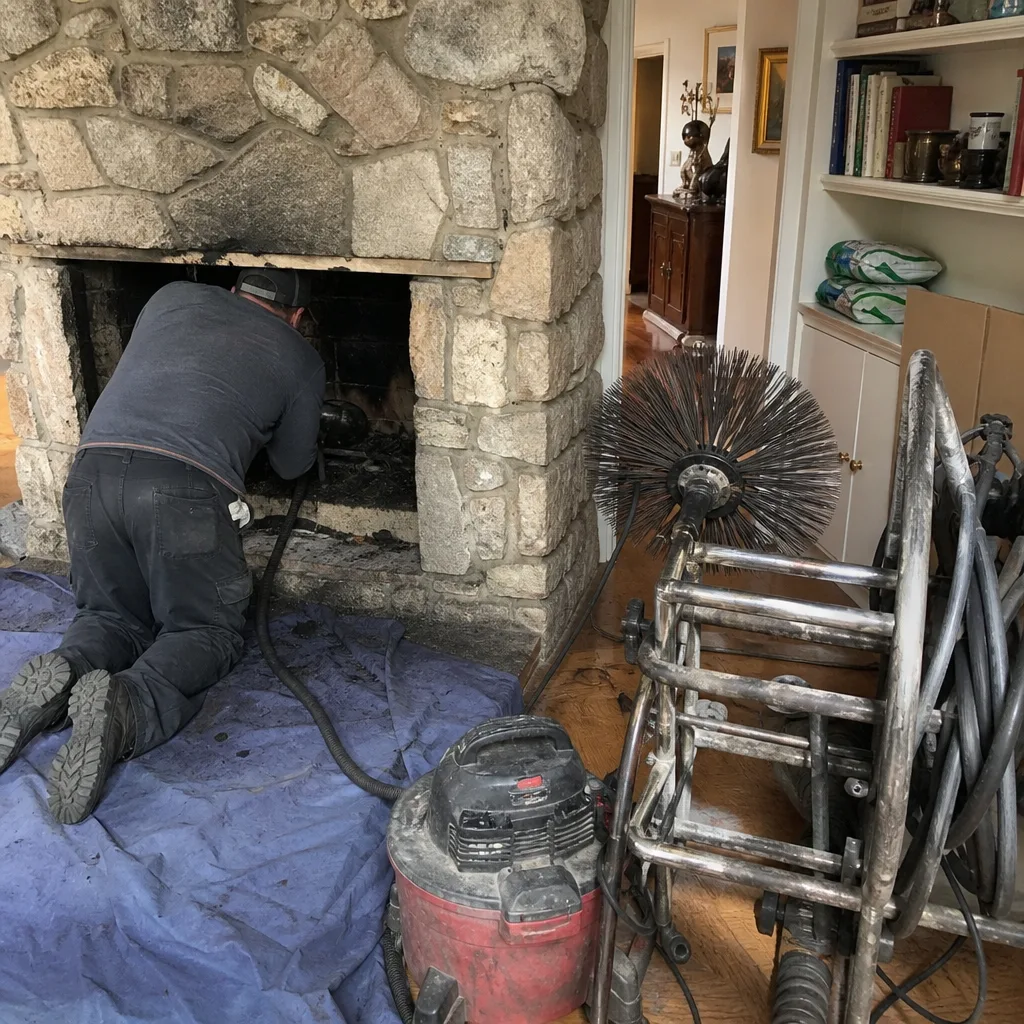 Before
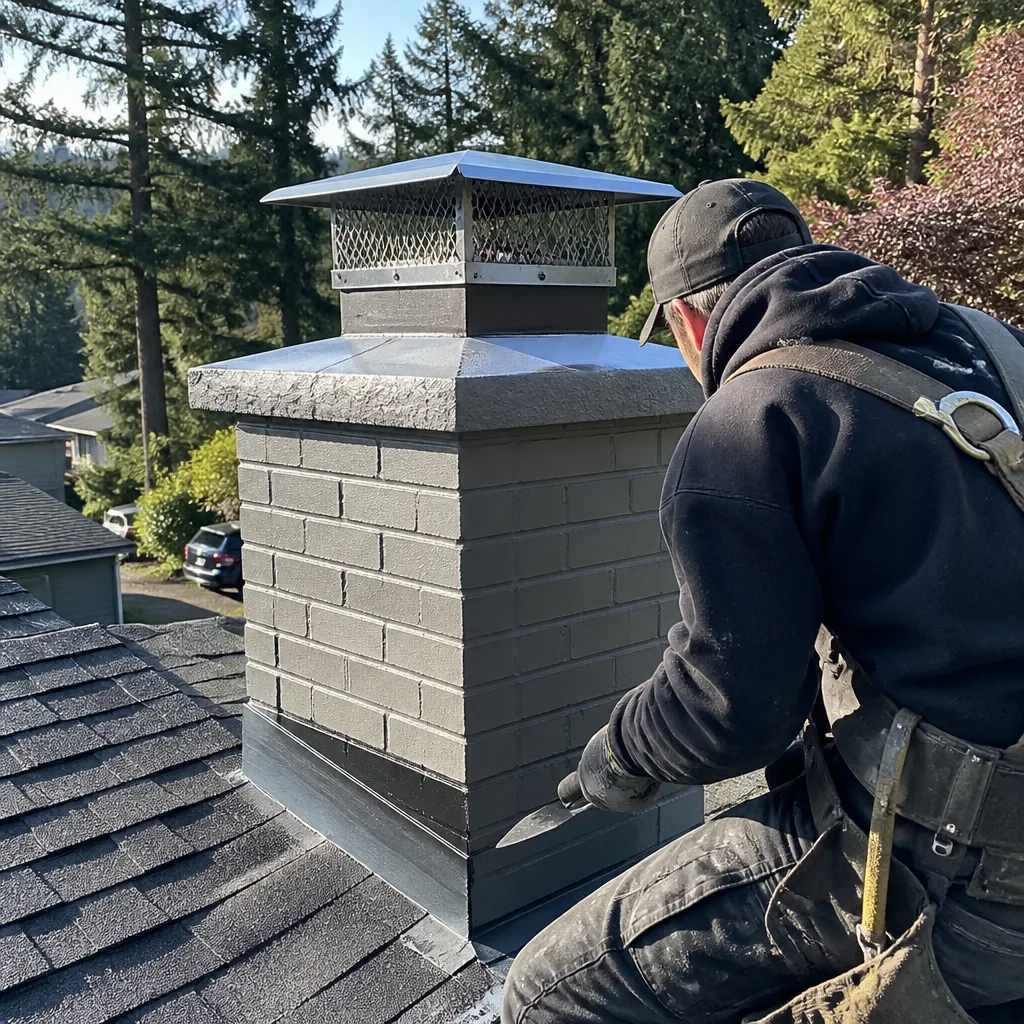 After
AfterChimney Cleaning Warning Signs: A Kirkland Homeowner’s Reference Guide
Most chimney warning sign guides fail at the exact moment they matter. They’ll tell you that white stains on brick mean “efflorescence” and that you should “have it checked.” What they won’t tell you is whether those stains appeared after last February’s freeze or have been fading since 2019. That distinction, in Kirkland’s mild but wet climate, separates active water intrusion from an old repair that held. In our experience inspecting over 38,000 chimneys since 2009, the homeowners who avoid surprise rebuilds aren’t the ones who spot the most symptoms. They’re the ones who learn to read what each symptom is evidence of, then demand the documentation that proves or disproves their theory. This guide pairs every observable sign with the specific condition it indicates and the inspection step that settles the question, and you can find more guides & resources in our blog.
Quick Answer
The warning signs that matter most for Kirkland homeowners are: visible smoke entering the room (indicating flue blockage or cold air inversion), white or green exterior staining (active water intrusion versus old efflorescence), and any rust in the firebox or damper assembly (condensation or liner breach). Each requires a camera-scan inspection to distinguish surface symptoms from structural conditions. If you smell creosote when the fireplace is cold, or see smoke roll out after 10 minutes of burning rather than at startup, stop using the fireplace and schedule a Level 2 inspection.
Table of Contents
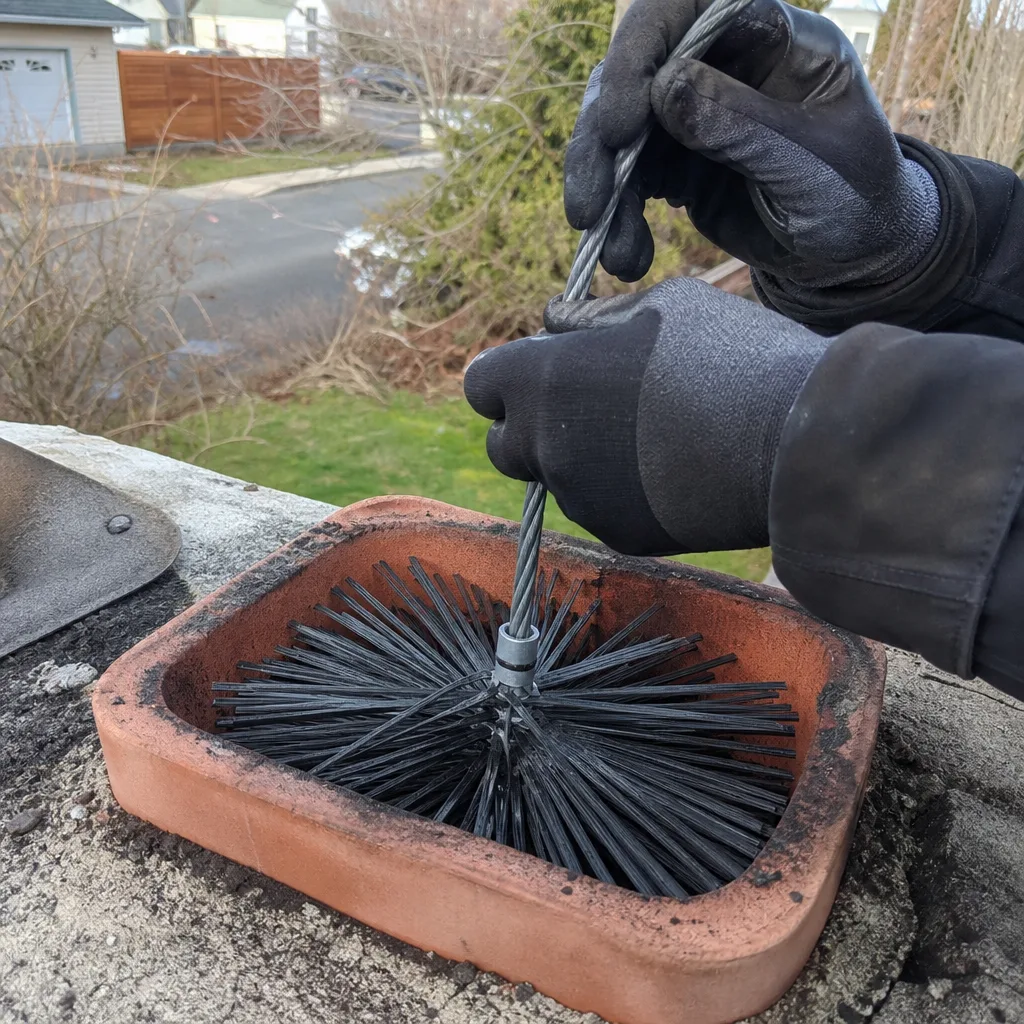
- The Odor Diagnostic: What Your Chimney Smell Is Actually Telling You
- Reading Smoke Behavior: Startup Rollout Versus Mid-Burn Backdraft
- Exterior Masonry: Cosmetic Spalling, Structural Separation, and Kirkland’s Freeze-Thaw Reality
- Firebox and Damper Findings You Can Observe Yourself
- Three Warning Signs That Mean ‘Do Not Use Tonight’
- What Documentation Should Look Like: The Haven Standard Approach
- What Chimney Inspection and Cleaning Costs in Kirkland
 Before
 After
AfterThe Odor Diagnostic: What Your Chimney Smell Is Actually Telling You
Not all chimney odors indicate the same problem. Not even close. The location, timing, and character of the smell point to three distinct conditions, and mistaking one for the other leads to the wrong fix or no fix at all.
Creosote odor at the firebox opening when the fireplace is cold. This is the smell of accumulated combustion byproducts in the flue, usually Class II or Class III creosote (the thick, tar-like deposits that ignite at lower temperatures than powdery Class I). The smell intensifies on humid days because moisture reactivates volatile compounds. In Kirkland, where winter humidity stays elevated even when temperatures moderate, we see this complaint spike in March and October, not during the deep burn season. The underlying condition is incomplete combustion, often from burning unseasoned wood or restricting airflow with glass doors. The required response is a mechanical sweep, not a deodorizing treatment. We’ve inspected chimneys in the Level Two Chimney Kirkland home service area where homeowners spent hundreds on chimney deodorizers while Class III creosote continued accumulating.
Musty or mold smell from above the firebox, especially after rain. This indicates water penetration at the crown, flue opening, or through deteriorated mortar joints. The smoke shelf, that flat area behind the damper, collects moisture and organic debris, creating a microclimate for mold. The critical diagnostic question: does the smell appear within 24 hours of rainfall, or is it constant? Rain-correlated odor means active leak. Constant musty smell with no recent rain suggests chronic moisture from condensation inside an unlined or breached flue. These require completely different responses. Active leaks need crown repair, cap installation, or tuckpointing. Condensation issues need liner evaluation, potentially with a stainless steel system from DuraFlex or a resurfacing application with HeatShield.
Sour or acrid smell during burning. This is the most urgent. It indicates either a blocked flue forcing combustion gases into the living space, or a liner breach allowing exhaust to escape through masonry cracks. Carbon monoxide risk is present. The fireplace should not be used until a camera scan confirms flue integrity. In Kirkland’s older neighborhoods like Juanita and Houghton, where pre-1980 masonry is common, we’ve found degraded terra cotta liners that appeared sound from the firebox but showed multiple fractures at the shoulder, visible only on camera.
Documentation that settles the question: a Level 2 inspection per NFPA 211, with the camera run the full flue length, photos of the smoke shelf and firebox walls, and moisture meter readings on exposed masonry. Clause 4 of the Haven Standard requires this photo record on every job, archived and available to the homeowner.
Reading Smoke Behavior: Startup Rollout Versus Mid-Burn Backdraft
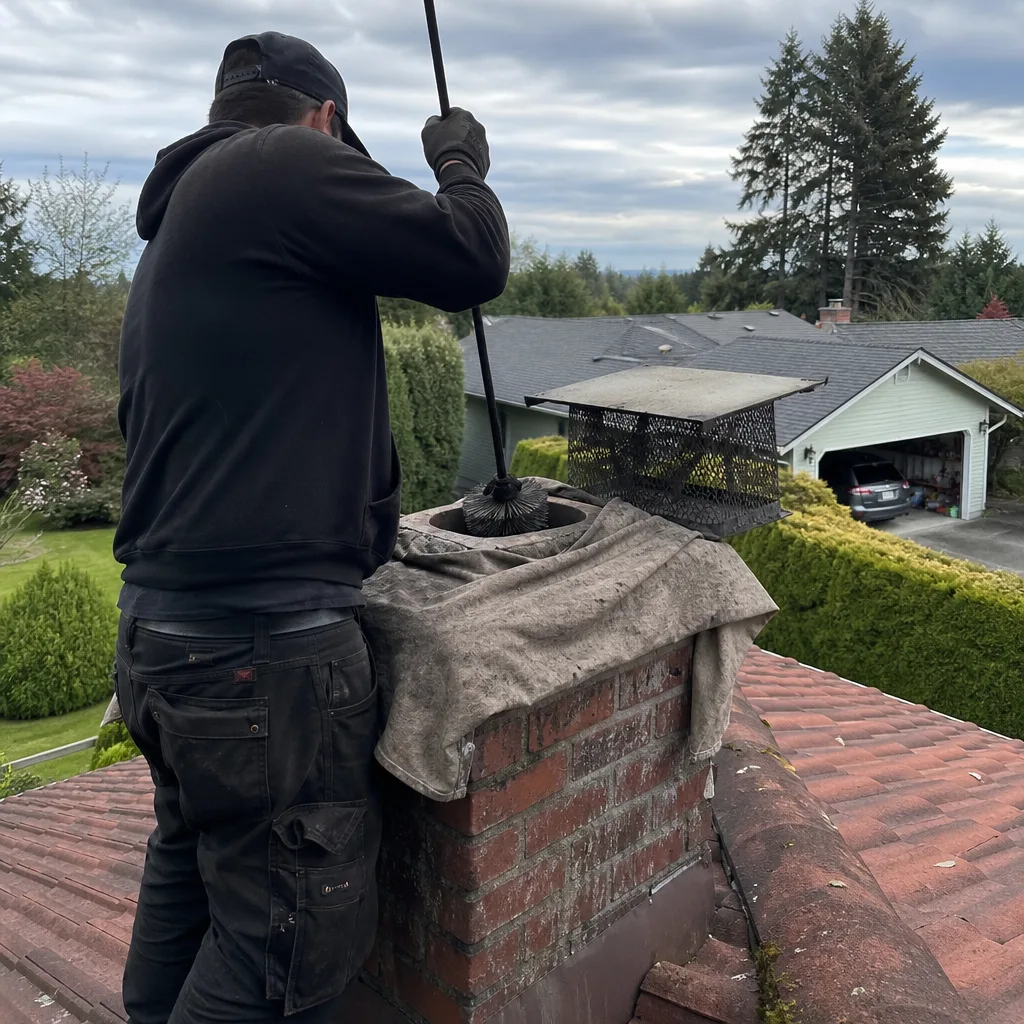
Smoke behavior is a real-time diagnostic tool that most homeowners underuse. The timing of smoke entry into the room reveals the underlying flue condition with surprising specificity.
Smoke rolls into the room on startup, then draws properly after 2-3 minutes. This is cold air inversion. The flue contains a column of cold, dense air that prevents initial draft establishment. Once the flue warms, draft normalizes. Common in Kirkland’s uninsulated exterior chimneys during fall and spring when overnight lows drop to the 40s but days warm to the 60s. The underlying condition is usually benign: insufficient pre-heating or a flue that extends too far above the roof without warming. Solutions include a top-sealing damper to seal the flue when not in use, or simply extending the kindling phase. We don’t recommend major work for pure cold-start rollout unless it’s accompanied by other symptoms.
Smoke enters the room after 10-20 minutes of normal burning. This pattern indicates progressive flue obstruction, most commonly from creosote buildup that narrows the flue as it warms and expands, or from a partially collapsed terra cotta liner that shifts with thermal expansion. The fireplace tests fine at low output but fails under sustained fire. This is the pattern we see most often with Class III glazed creosote, the hard, shiny deposit that forms when wood burns at low temperatures with restricted air. It requires mechanical removal, often with rotary chains or specialized scrapers, not standard brush sweeping-learn more in The Complete Guide to Chimney Cleaning in Kirkland.
Smoke enters continuously, regardless of burn duration or intensity. This indicates a fundamental draft failure: chimney too short for the house, wrong flue sizing for the appliance, or major blockage (bird nest, collapsed liner, debris from deteriorated masonry). In Kirkland’s hilly terrain, homes on lower slopes with taller surrounding structures often experience wind-induced downdraft that overwhelms natural chimney draft. The inspection must include exterior measurements, surrounding topography assessment, and pressure testing. We’ve documented cases in Finn Hill where adding two feet of flue extension eliminated a “chronic smoke problem” that two previous sweeps had attributed to “user error.”
Smoke odor without visible smoke. This indicates negative pressure in the house drawing combustion gases through small leaks in the flue system, even when draft appears adequate at the chimney top. Common in tightly sealed modern homes with powerful exhaust fans. The diagnostic step is a draft gauge measurement under varying house pressure conditions, with all fans operating. This requires specialized equipment and training.
Documentation that settles the question: timed video of smoke behavior, draft pressure readings in Pascals at startup and at 15-minute intervals, flue diameter measurements at multiple points, and exterior photos showing chimney height relative to roof peak and surrounding structures. Our Chimney Cleaning & Sweep in Kirkland service includes this documentation as standard under Haven Standard Clause 4.
Exterior Masonry: Cosmetic Spalling, Structural Separation, and Kirkland’s Freeze-Thaw Reality
Kirkland’s climate is mild compared to Midwest or Northeast benchmarks, but “mild” doesn’t mean harmless for masonry. Our winter temperatures oscillate around the freezing point more frequently than colder climates, and that oscillation, combined with 38+ inches of annual rainfall, creates a specific damage pattern.
Cosmetic spalling versus structural face separation. Spalling is surface flaking of brick faces, usually from moisture absorption and freeze expansion in the outer 1/4 inch of the brick. It looks unsightly but rarely compromises structural integrity if the brick body and mortar joints remain sound. Face separation is different: the entire brick face detaches along a plane parallel to the wall, often revealing a crumbly interior. This indicates deep moisture penetration, failed mortar bonding, or both. The diagnostic test: tap the brick with a hard object. A clear ring indicates sound material. A dull thud suggests internal delamination. We document this with percussion testing and close-up photography on every exterior inspection.
White staining (efflorescence): active or historical? The critical question, as noted in our opening: is this new this year, or has it been present for multiple seasons? Fresh, powdery efflorescence that brushes off easily indicates active water movement through the masonry, dissolving soluble salts and depositing them at the surface. This means water is entering now. Hard, aged efflorescence that’s become part of the surface texture, often with accompanying biological growth, indicates past water intrusion that may or may not be active. The test: wet the area and observe. If new white material appears as it dries, the water path is active. If nothing changes, you may be looking at residue from a resolved issue.
In Kirkland’s Finn Hill and Juanita neighborhoods, where many chimneys were built in the 1960s-1970s with lower-fired bricks and lime-rich mortars, we see accelerated efflorescence where roof drainage concentrates against chimney walls. The fix isn’t masonry sealant, which traps moisture, but correcting the water source and repointing with appropriate mortar matching.
Green or black biological growth. Green indicates moss or algae, which require persistent moisture and some light. Black may be mildew or, in the upper flue, creosote leaching through a breached liner. Location matters: growth below the roofline suggests gutter or flashing failure; growth concentrated at the crown suggests crown cracking or inadequate overhang; growth in vertical streaks indicates water channeling through open mortar joints. The camera scan confirms whether interior moisture corresponds to exterior growth patterns.
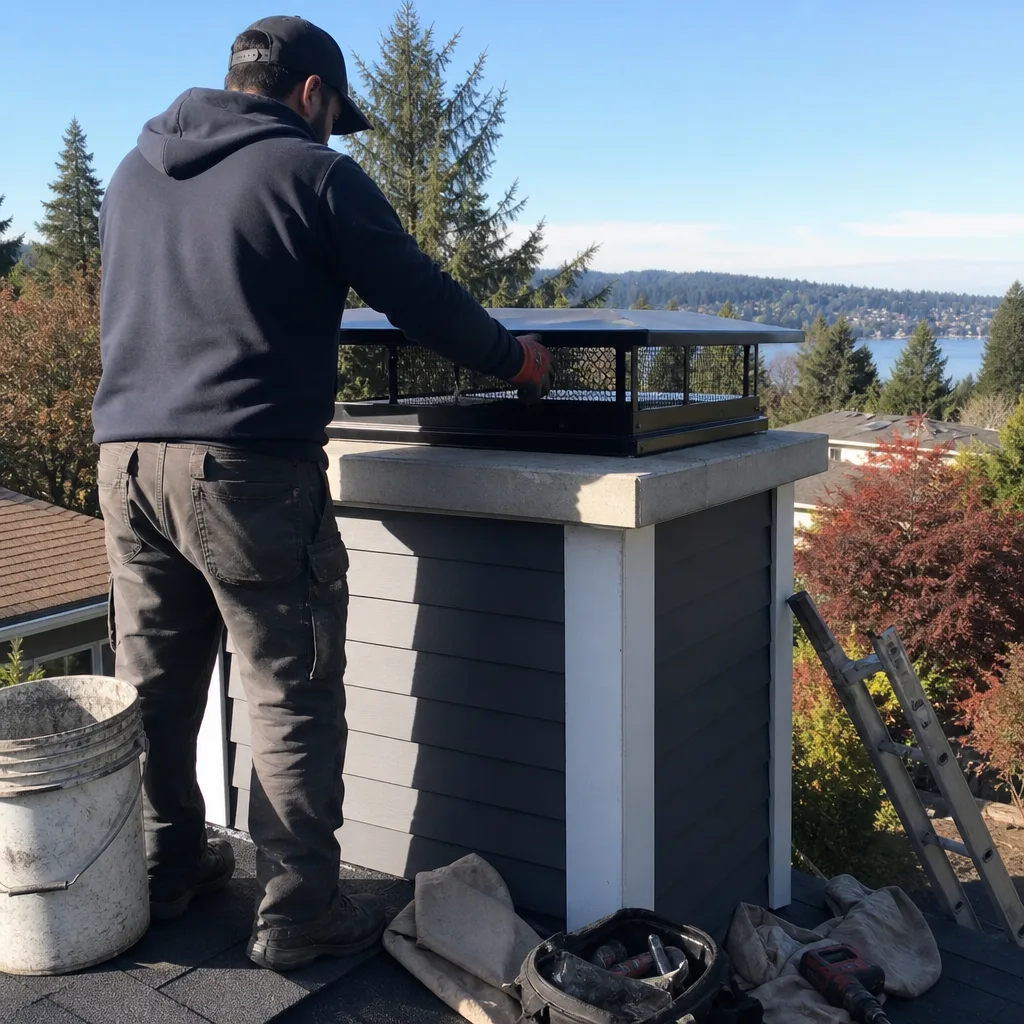
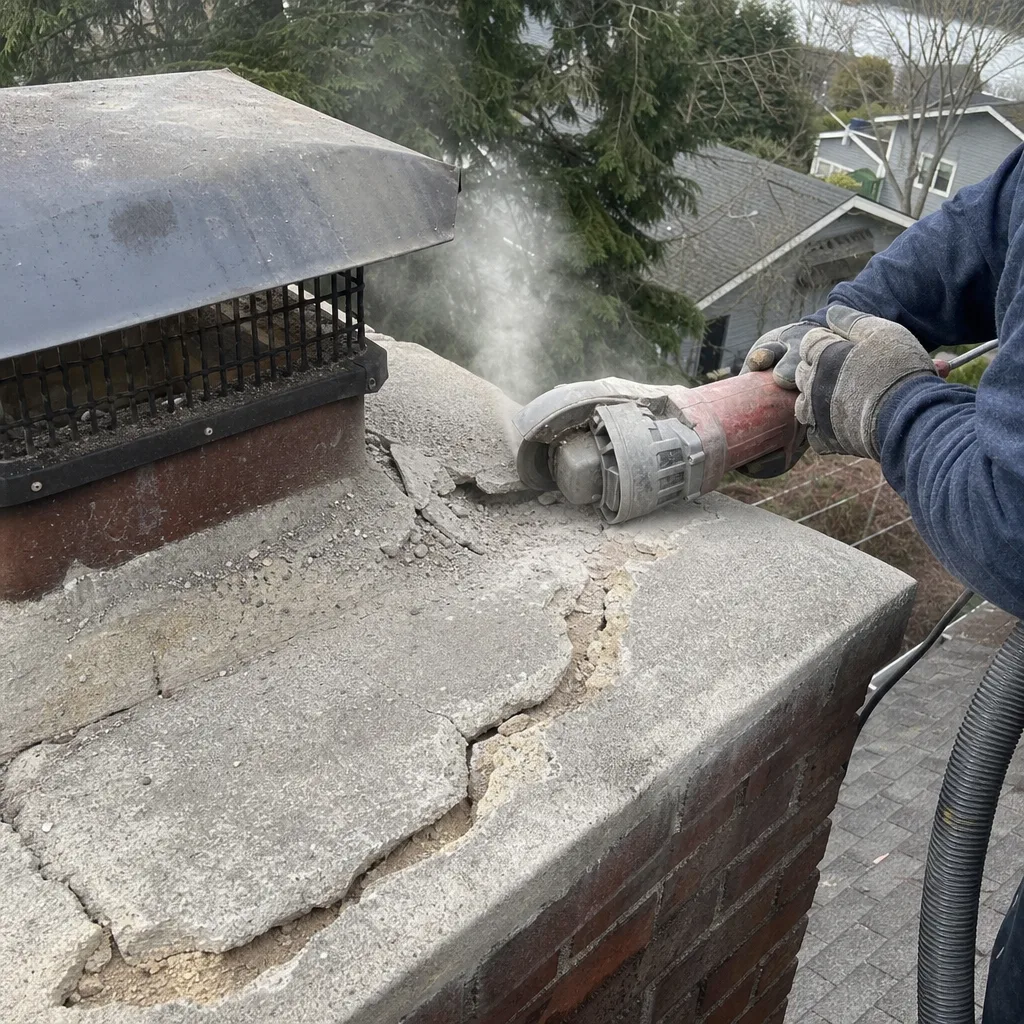
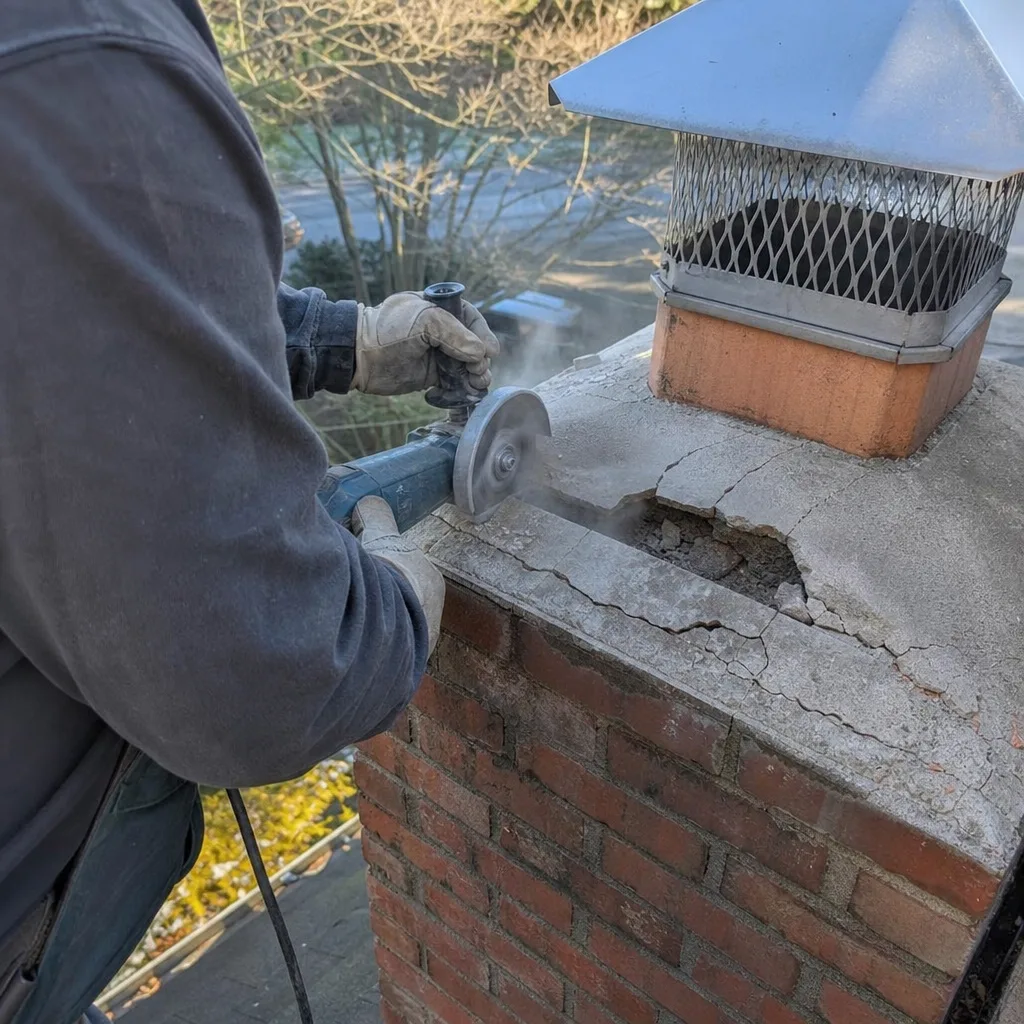
Crown condition: the most under-inspected component. The concrete crown is the chimney’s umbrella. A proper crown slopes away from the flue opening with a minimum 2-inch overhang beyond the chimney face. In Kirkland, we’ve found that crowns poured without reinforcement or proper slope develop radial cracks within 5-7 years, accelerated by the freeze-thaw cycling our climate produces. Water enters these cracks, freezes, widens them, and begins undermining the crown’s structural connection to the flue. The warning sign: a hairline crack that was “just something to watch” three years ago is now wide enough to insert a coin. Documentation requires close-up photography and probing to assess depth and underlying voids.
Materials for crown rebuild or overlay in our market include specialized crown formulations from Gelco and Olympia Chimney, selected through Haven’s buying network for specific performance in wet, moderate-climate conditions. We don’t use generic concrete mixes for crown work; the thermal expansion coefficient mismatch with underlying masonry guarantees premature failure.
Firebox and Damper Findings You Can Observe Yourself
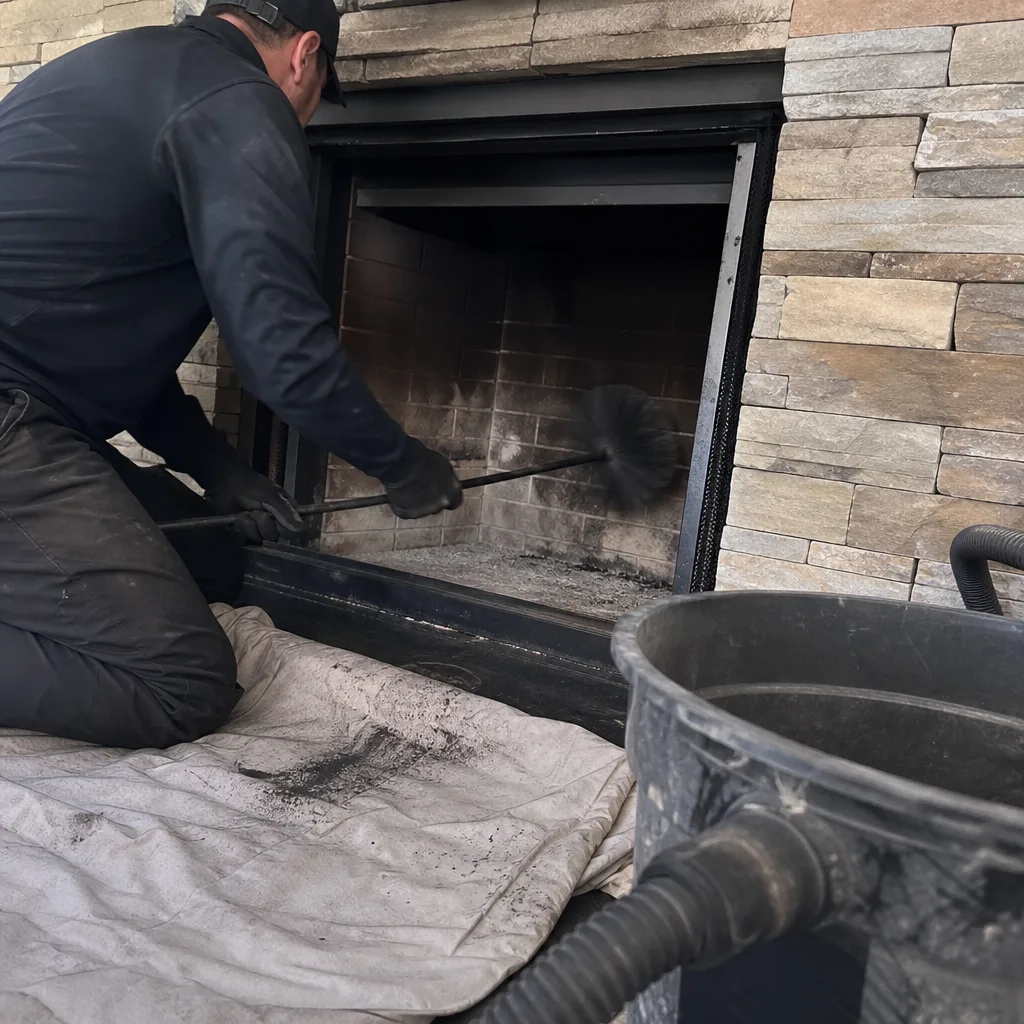
The firebox and damper assembly are the only chimney components most homeowners see regularly. Several observable conditions provide reliable diagnostic information before any professional arrives.
Rust patterns on the damper frame or firebox walls. Surface rust on the damper frame indicates condensation during non-use periods, usually from humid household air contacting cold metal. This is common and not immediately concerning if the damper seals properly when closed. Pitted or flaking rust, especially with orange staining on the firebox floor below, indicates persistent water intrusion, either from a leaking flue (condensation or breach) or from exterior water entering through the crown and running down the flue liner. The diagnostic priority: determine if rust is active. Scrape to bare metal, mark the boundary with a pencil, and check in 30 days. Expansion means active water; no change means historical moisture that may be resolved.
Smoke staining outside the firebox opening. Dark deposits on the fireplace face, mantel, or surrounding wall indicate smoke escaping the firebox during use. The pattern matters: staining concentrated at the top of the opening suggests an undersized flue or blockage forcing exhaust out the path of least resistance. Staining at the sides suggests poorly sealed fireplace doors or a smoke chamber with inadequate clearance. Even staining across the entire opening suggests severe draft failure or house depressurization. In Kirkland’s newer construction, especially homes built 2015-2020 with tight envelopes and range hoods exceeding 400 CFM, we’ve traced “mystery” smoke staining to kitchen exhaust creating negative pressure that overwhelms fireplace draft.
Firebrick cracking geometry. Not all cracks are equal. Thermal stress cracks run vertically or in a spiderweb pattern radiating from a hot spot, usually near the back wall where flames impinge. These indicate rapid temperature change or concentrated flame contact, often from overfiring or using the fireplace with glass doors closed. Settling cracks run horizontally, often stepping through mortar joints, and follow the pattern of structural movement. A vertical crack through multiple bricks without offset suggests thermal stress. A stepped, horizontal crack with visible displacement suggests foundation or chimney structure movement. The former may require firebrick replacement. The latter requires structural evaluation before any cosmetic repair, or the crack will reopen.
Damper operation and seal. A damper that sticks, grinds, or won’t fully close indicates corrosion, creosote buildup on the frame, or frame distortion from heat. Close the damper and hold a lit incense stick or thin strip of paper around the perimeter. Movement indicates leakage, which wastes heated air and allows cold air infiltration. In Kirkland’s heating climate, a leaking damper can increase energy costs measurably over a season. The fix may be as simple as track cleaning and lubrication, or as involved as damper replacement with a top-sealing model that provides superior seal and eliminates the cold air column.
Documentation that settles the question: photos of rust patterns with scale reference, smoke staining extent marked on a diagram, firebrick crack mapping with measurements, and damper leakage test results with before/after comparison if repair is performed. Our Fireplace Services in Kirkland includes this assessment on every visit.
Three Warning Signs That Mean ‘Do Not Use Tonight’
Most warning signs warrant prompt attention. These three warrant immediate cessation of use. No exceptions. No “just one more fire.”
- Visible smoke entering the room that does not resolve with normal draft establishment. If smoke continues entering after 10 minutes of burning, despite proper kindling and open damper, the flue has a blockage, breach, or sizing failure that presents immediate carbon monoxide and combustion hazard risk. Close the damper if safely accessible, extinguish the fire with appropriate methods, and do not use again until camera scan confirms flue integrity.
- Any new or enlarged crack in the firebox with visible glow or heat visible through it. This indicates a breach in the fire-containment envelope. Combustible framing, often within inches of the firebox exterior in older construction, is exposed to direct flame or radiant heat. In Kirkland’s pre-1980 housing stock, particularly in the Lake Washington shoreline neighborhoods, we’ve found firebox breaches where pyrolysis (slow, low-temperature combustion of wood) had progressed to within minutes of visible ignition. The homeowner’s “small crack” was a structural fire emergency.
- Audible cracking, popping, or structural sounds from the chimney during burning, especially with accompanying new exterior staining or displaced mortar. This indicates thermal expansion of compromised masonry, possibly from a liner breach allowing superheated gases to contact interior masonry surfaces. The sounds are masonry fracturing under stress. Continued use risks structural failure, potentially including chimney collapse or fire extension to framing. Evacuate the area, extinguish the fire if safely possible, and call for emergency inspection.
These are not “schedule something soon” conditions. They are “tonight is not the night to find out” conditions. Our live phone support runs 24 hours a day, 7 days a week for exactly these scenarios. We don’t route emergency calls to voicemail.
What Documentation Should Look Like: The Haven Standard Approach
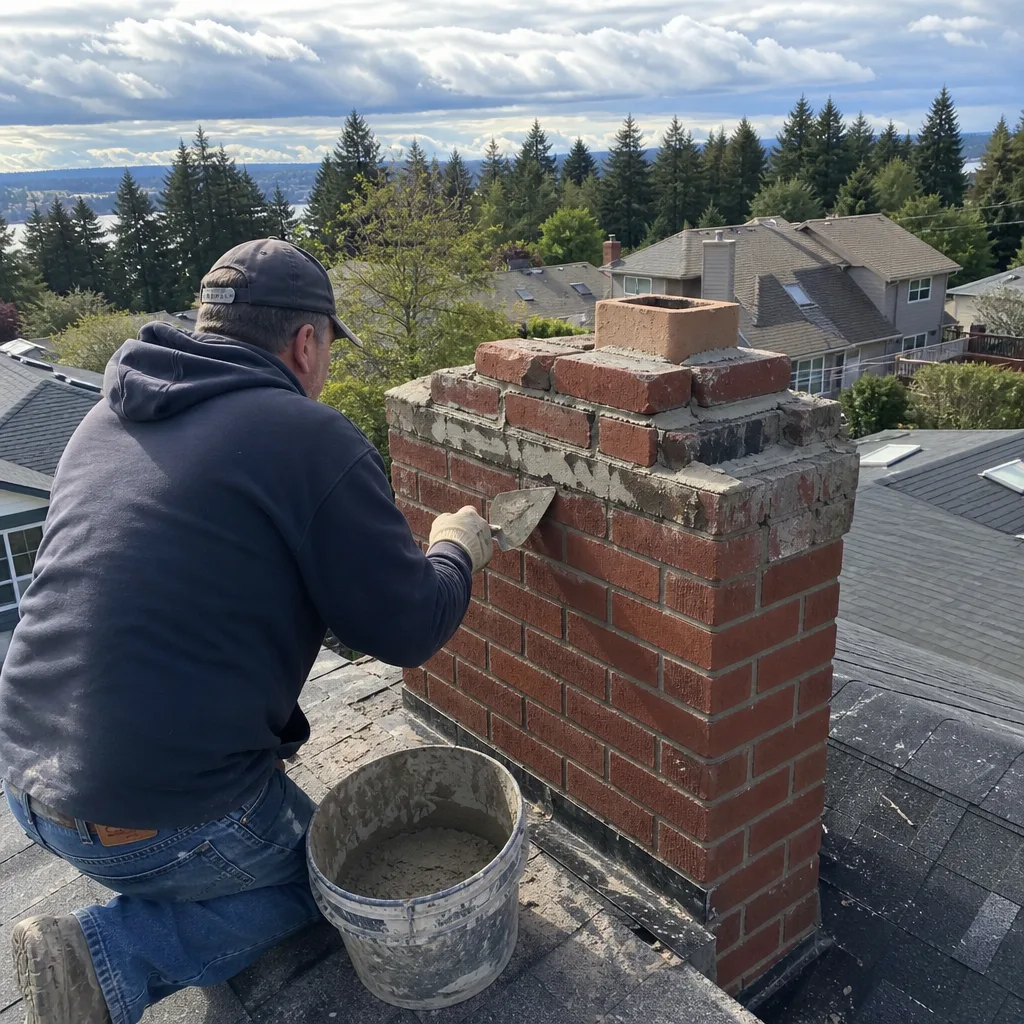
Warning signs are only useful if the inspection that follows produces evidence you can evaluate and compare. The Haven Standard, which has governed every Level Two Chimney Co. job since 2009, specifies five documentation requirements that transform inspection from opinion to record.
Clause 1: Written price, written scope, written warranty before work starts. Not an estimate range. Not “we’ll see when we get there.” A fixed price for a defined scope, with warranty terms, delivered before any tool touches your chimney. This eliminates the common scenario where a “$199 sweep” becomes a $2,400 repair recommendation delivered after the technician is already in your home with equipment staged.
Clause 4: Documented photo record on every visit. Every inspection produces dated, labeled photographs of the flue interior, smoke chamber, firebox, damper, crown, and exterior masonry. These are archived and available to the homeowner, not held by the company as leverage for future sales. The photo record allows comparison over time: is that crack new, or was it present and stable in 2022? Has the creosote buildup progressed from Class I to Class II? Documentation turns memory into evidence.
What the record should include for warning sign evaluation:
- Flue liner: full-length video scan showing every joint, offset, and surface condition, with narration describing findings
- Smoke chamber: photos of chamber walls, shelf condition, and any exposed construction features
- Firebox: crack mapping with measurements, rust documentation, and damper seal test results
- Crown and cap: close-up photography with probe depth measurements for cracks, slope verification with level
- Exterior masonry: efflorescence extent, biological growth locations, spalling depth assessment, mortar joint condition by course
- Written findings: condition ratings for each component, prioritized recommendations with urgency classification, and comparison to previous inspections if available
Our Chimney Repair in Kirkland service extends this documentation to repair work, with before/after photography and material specifications, including sourcing from DuraFlex, HeatShield, and other manufacturers through Haven’s buying network specifically to keep customer prices honest.
The Free Second Opinion on any written estimate is always available. Bring a competitor’s written quote, and we’ll review their findings against our own inspection, with no obligation. We’ve found that second opinions frequently reveal diagnostic gaps, particularly where camera inspection was not performed or where recommendations extrapolate beyond documented evidence; see How to Hire a Chimney Cleaning Contractor in Kirkland: A Step-by-Step Guide for what proper vetting looks like.
What Chimney Inspection and Cleaning Costs in Kirkland
Price transparency is a core Haven Standard requirement. These are the ranges we deliver in writing before any work begins, based on Kirkland market conditions and our material sourcing through Haven’s buying network.
| Service | Typical Range in Kirkland | What’s Included |
|---|---|---|
| Level 1 Visual Inspection with Sweep | $189 - $249 | Visual assessment of accessible components, mechanical sweep of flue, basic debris removal |
| Level 2 Camera-Scan Inspection with Sweep | $289 - $389 | Full NFPA 211 Level 2 protocol, video scan of complete flue length, photo documentation, written findings report |
| Class III Glazed Creosote Removal | $450 - $650 | Rotary mechanical removal, chemical pretreatment if needed, verification scan, extended warranty documentation |
| Crown Repair or Overlay | $650 - $1,200 | Surface prep, specialized crown material application, slope verification, seal and documentation |
| Stainless Steel Liner Installation (typical masonry fireplace) | $2,800 - $4,500 | DuraFlex or equivalent liner, proper sizing per appliance, insulation where required, connection and testing |
Factors that move pricing within these ranges: chimney height and accessibility, number of flues, condition of existing components requiring additional preparation, and material specifications. We don’t quote over the phone for repair work without inspection, but we do guarantee that any price we deliver in writing is fixed for the described scope. No post-inspection surprises.
The 365-Day Done Right Promise applies to all work: if it’s not done right, we make it right. Stamped on every job, no exceptions.
Common Mistakes to Avoid
- Assuming a “clean” fireplace from last year means a safe fireplace this year. Creosote accumulation depends on wood moisture, burn practices, and weather patterns, not calendar time. In Kirkland’s wet shoulder seasons, a single season of burning damp wood can produce hazardous buildup.
- Treating all white stains as “just efflorescence” to monitor. Active efflorescence indicates ongoing water movement that degrades mortar and accelerates freeze-thaw damage. The correct response is finding and fixing the water source, not annual observation.
- Using chimney sealants or waterproofing coatings without diagnosing the water path. Sealants trap moisture inside masonry, often accelerating the damage they claim to prevent. Proper repair addresses flashing, crown, cap, and mortar, not surface coating.
- Ignoring smoke behavior that “got better” after opening a window. Opening a window relieves house depressurization but doesn’t fix the underlying negative pressure or flue condition. It’s a workaround that masks a problem that will worsen.
- Accepting a flashlight inspection when symptoms suggest flue involvement. NFPA 211 Level 1 inspections are visual only, appropriate for annual maintenance of known-good systems. Warning signs require Level 2 camera inspection. Anything less is incomplete.
- Delaying inspection until “burning season” begins. In Kirkland, sweep schedules compress between October 15 and December 1. Inspecting in spring or summer allows time for repair scheduling, often at better availability and with more thorough drying of masonry for accurate moisture assessment.
When to Call a Professional
Call when you observe any warning sign described in this guide and cannot document its history or progression with certainty. Call when smoke behavior changes, when odors appear or intensify, or when exterior staining is new or expanding. Call before the season when you plan to use the fireplace, not after the first fire reveals a problem.
For homeowners in Kirkland, Level Two Chimney Kirkland offers free estimates with written pricing before any work begins. Our background-checked, uniformed technicians arrive with license information displayed, a named tech assigned to your job, and a text notification when en route. Every inspection includes the camera-scan documentation that has been standard practice since 2009, years before regulators or insurers required it. Call (425) 642-3485 to schedule, or to request a Free Second Opinion on any competitor’s written estimate.
Frequently Asked Questions
A Level 1 visual inspection with sweep typically runs $189-$249 in Kirkland, while a Level 2 camera-scan inspection with sweep ranges from $289-$389. The camera scan is essential if you’ve noticed any warning signs or if it’s been more than two years since your last documented inspection. Call (425) 642-3485 for an exact quote - estimates are free.
For wood-burning fireplaces with regular use (3+ times weekly during season), annual sweeping is standard per NFPA 211. In Kirkland’s mild, wet climate, occasional burners and gas log sets can extend to every two years if no warning signs appear, but the inspection interval should not exceed 24 months-read our DIY vs Professional Chimney Cleaning: The Kirkland Homeowner’s Decision Guide to decide what’s right for your situation. Moisture exposure from our rainfall pattern accelerates liner and damper deterioration even with light use.
You need a new liner only if inspection documents a breach, significant deterioration, or sizing mismatch that affects safety or performance. We don’t recommend liner replacement without camera evidence you can see for yourself. Many chimneys operate safely with original terra cotta liners for decades. Others show hidden fractures that require immediate attention. The difference is documentation, not assumption. Our Free Second Opinion applies to any liner replacement quote you’ve received.
Skipped maintenance allows creosote accumulation, which increases chimney fire risk and can produce ignitions exceeding 2,000°F that damage liners and adjacent framing. It also permits water intrusion to progress from minor mortar degradation to structural face separation, crown failure, or interior damage to ceilings and walls. Carbon monoxide exposure risk rises with liner breaches or blockages. These outcomes are preventable with scheduled inspection and documented maintenance.
Kirkland’s shoulder seasons produce the highest humidity without the drying effect of active fires. Moisture reactivates volatile compounds in creosote deposits and promotes mold growth in moisture-compromised systems. The smell is diagnostic: sharp and tar-like indicates creosote; musty and earthy indicates mold from water intrusion. Each requires different response, confirmed by camera inspection and moisture assessment.
Level 1 is visual examination of readily accessible components, appropriate for annual maintenance of systems with no changes or warning signs. Level 2 adds camera scan of the complete flue interior, attic and crawl space access where safe, and inspection of connections and clearances, required for real estate transactions, new appliance installations, or any suspected system change. Warning signs always warrant Level 2. Clause 4 of the Haven Standard made Level 2 documentation the default for all Level Two Chimney Co. jobs in 2009, regardless of initial booking.
The Bottom Line
Warning signs are symptoms of underlying conditions, not problems themselves. The white stain, the smoke rollout, the musty smell - each points to a specific mechanism that inspection either confirms or rules out. The homeowner who avoids surprise rebuilds learns to pair observation with documentation: dated photos, written findings, camera footage, and comparison over time. In Kirkland’s wet, moderate climate, where freeze-thaw cycles and moisture exposure create distinctive damage patterns, this disciplined approach matters more than annual calendar reminders. Schedule inspection before burning season, demand the photo record, and keep written documentation for comparison. The chimney that was sound last year may show new conditions this year; the only way to know is to look, with proper equipment, and to keep the record.
Written by Corrine Halstead, Owner at Level Two Chimney Kirkland, serving Kirkland since 2009.