
Last updated September 22, 2026
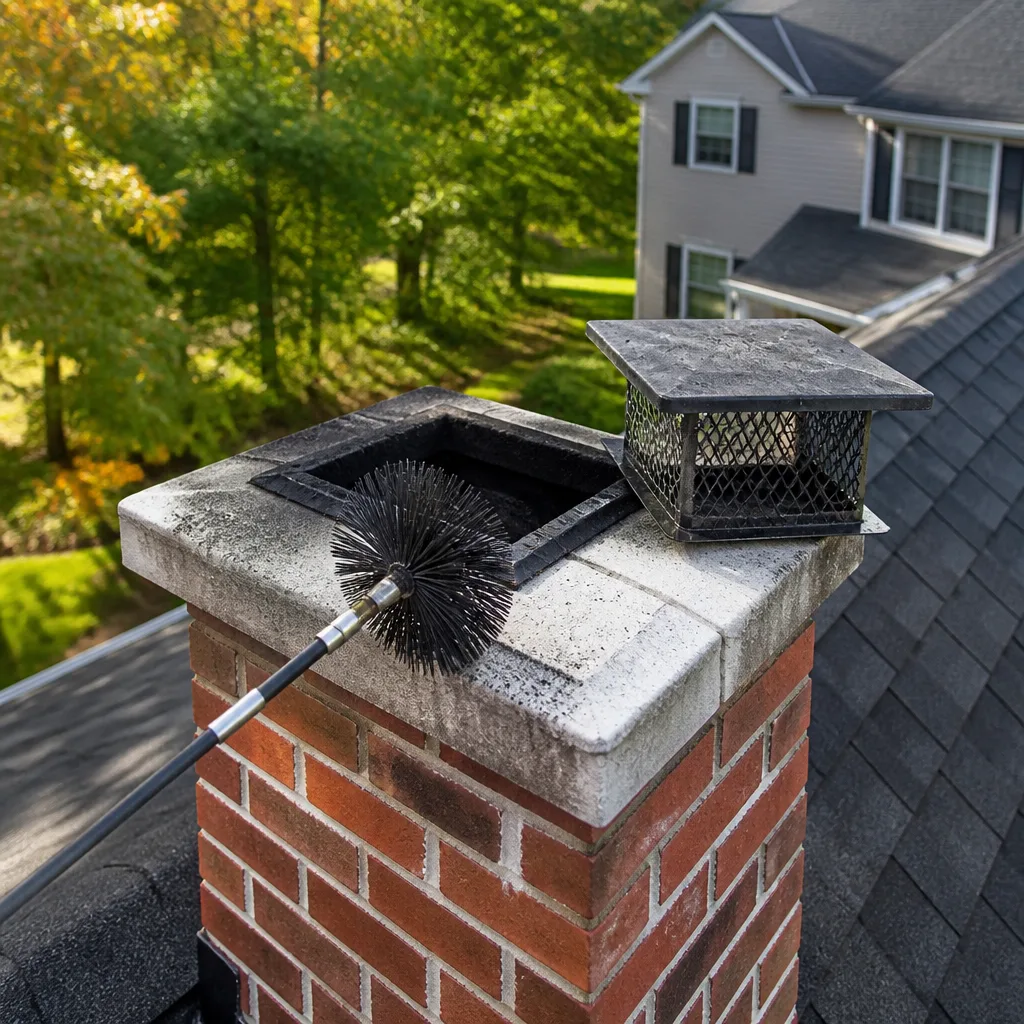
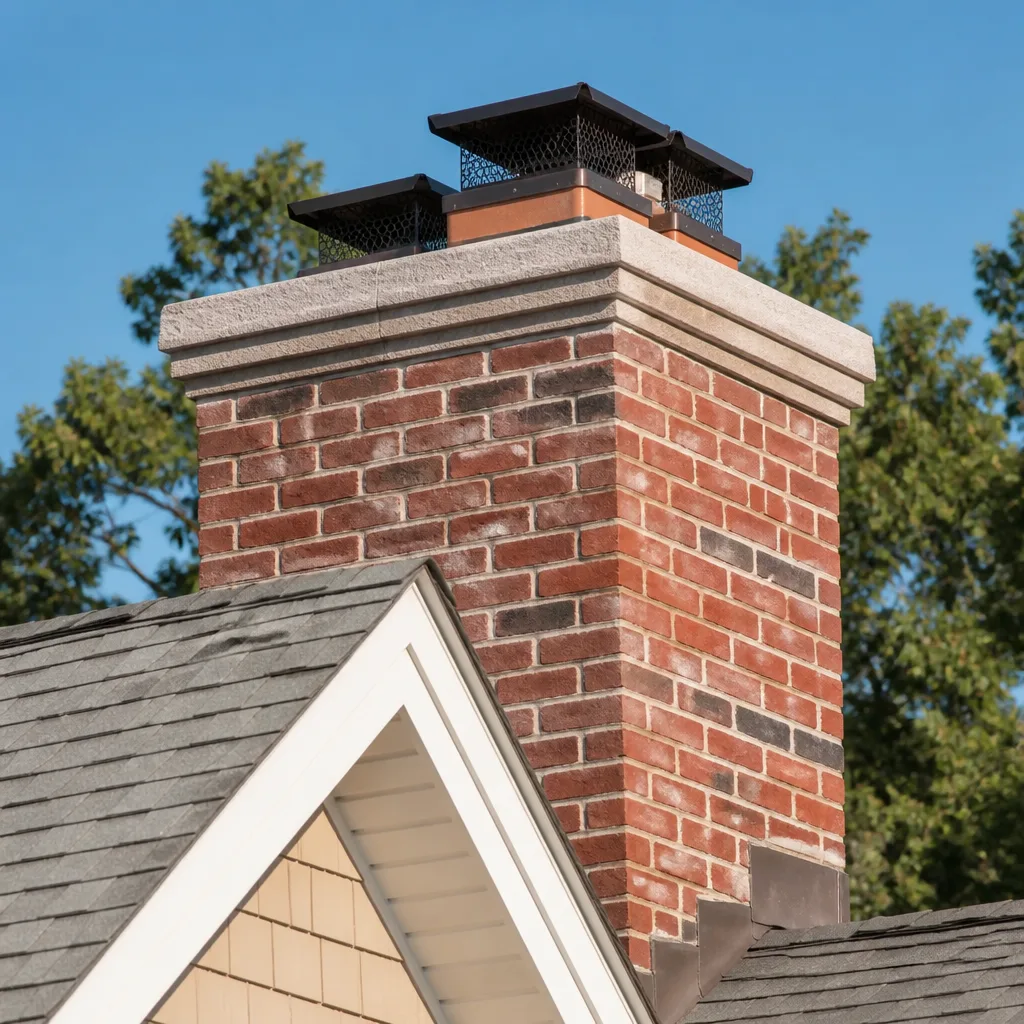
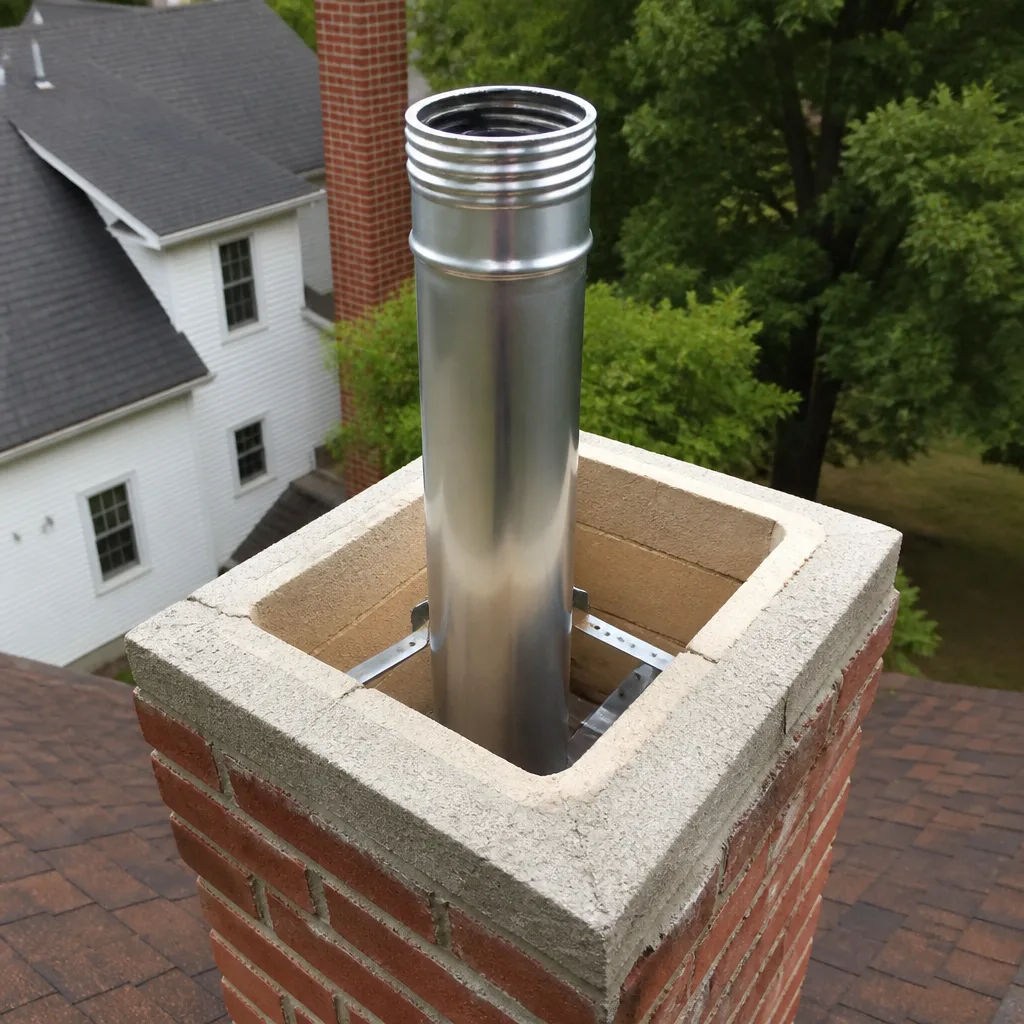
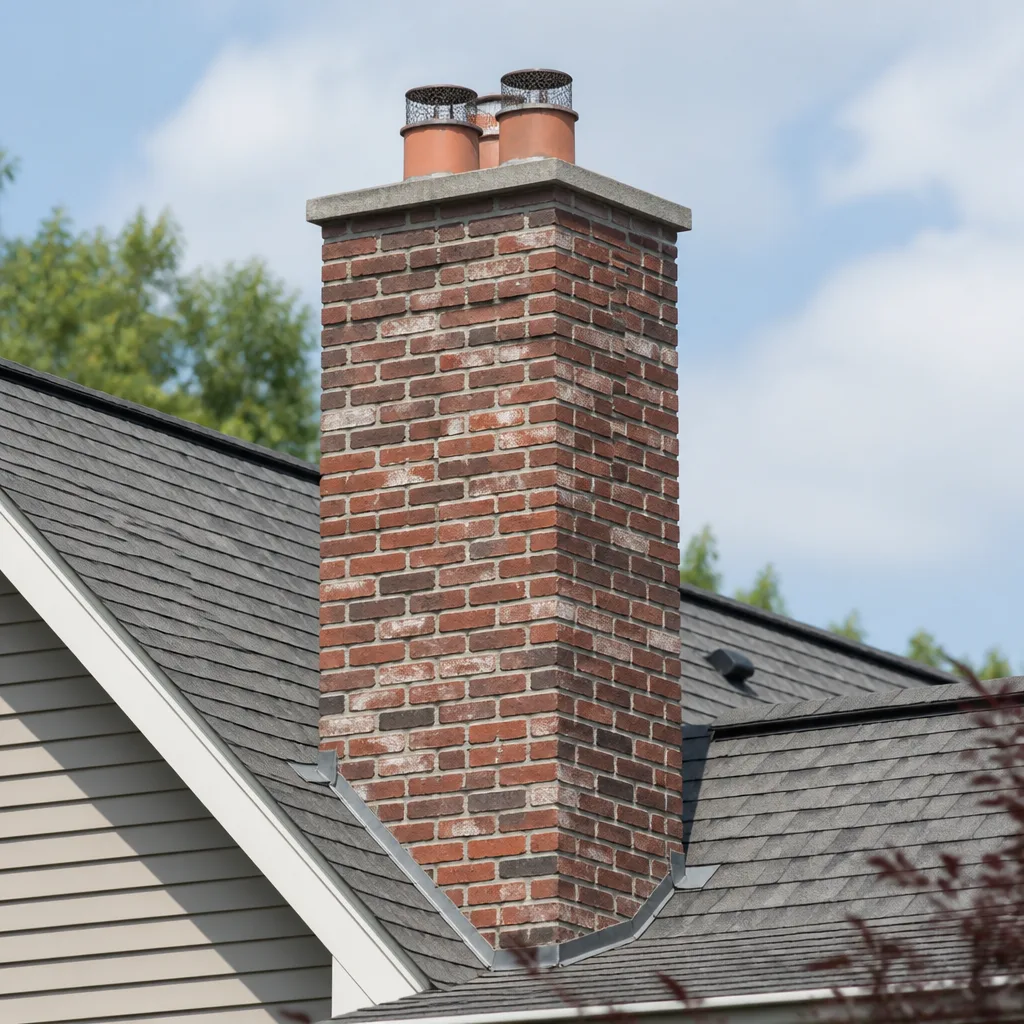
Level 1 sweep and inspection to the NFPA 211 annual standard - flue, crown, cap, and flashing checked and photographed
Chimney sweep logs do not sweep chimneys. They loosen some creosote - which then falls where a brush and vacuum still have to collect it.
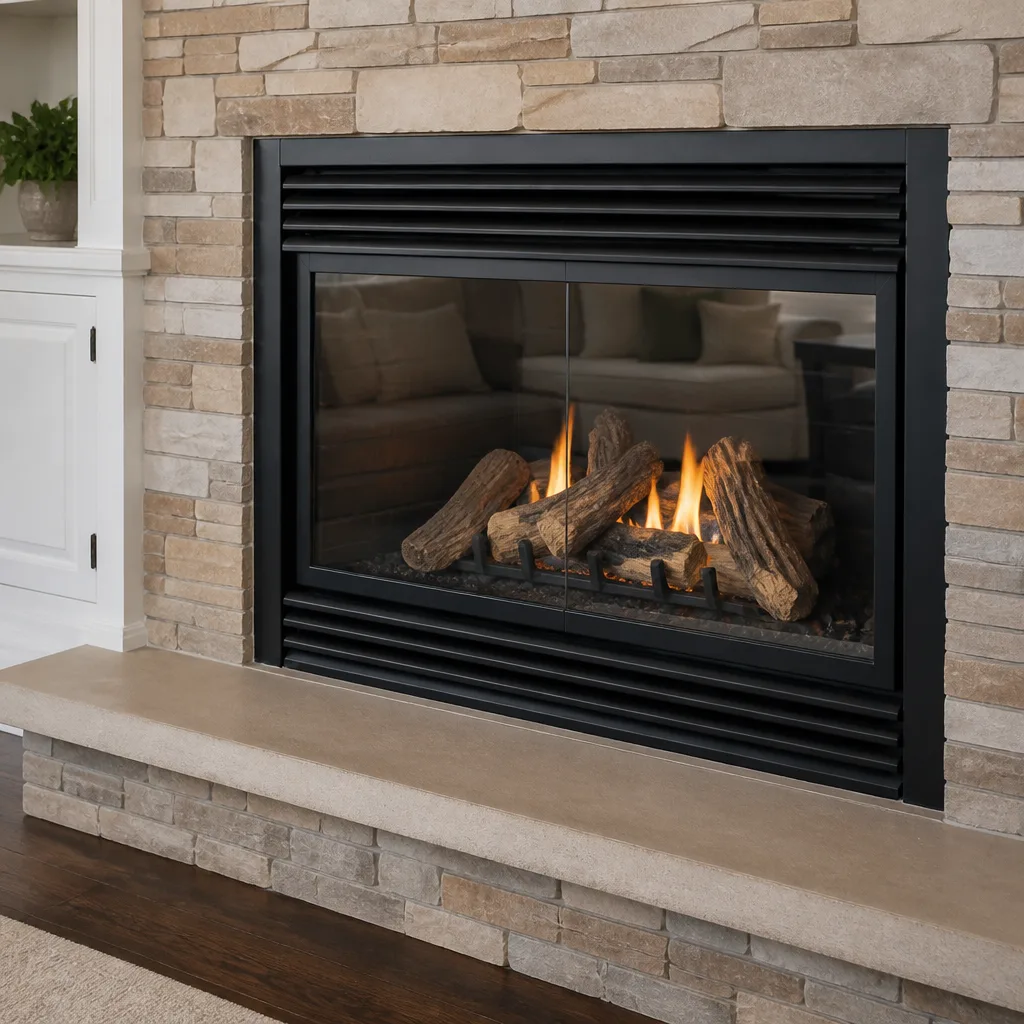
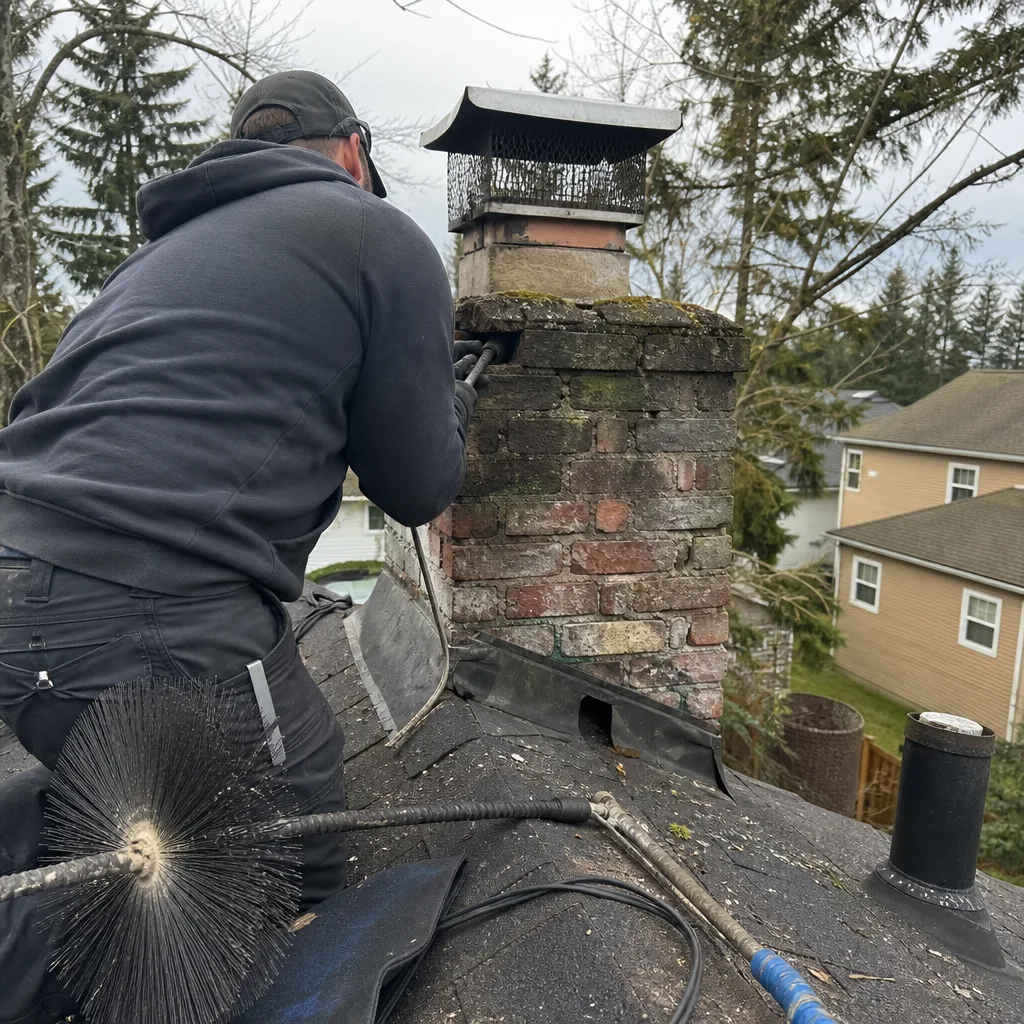 Before
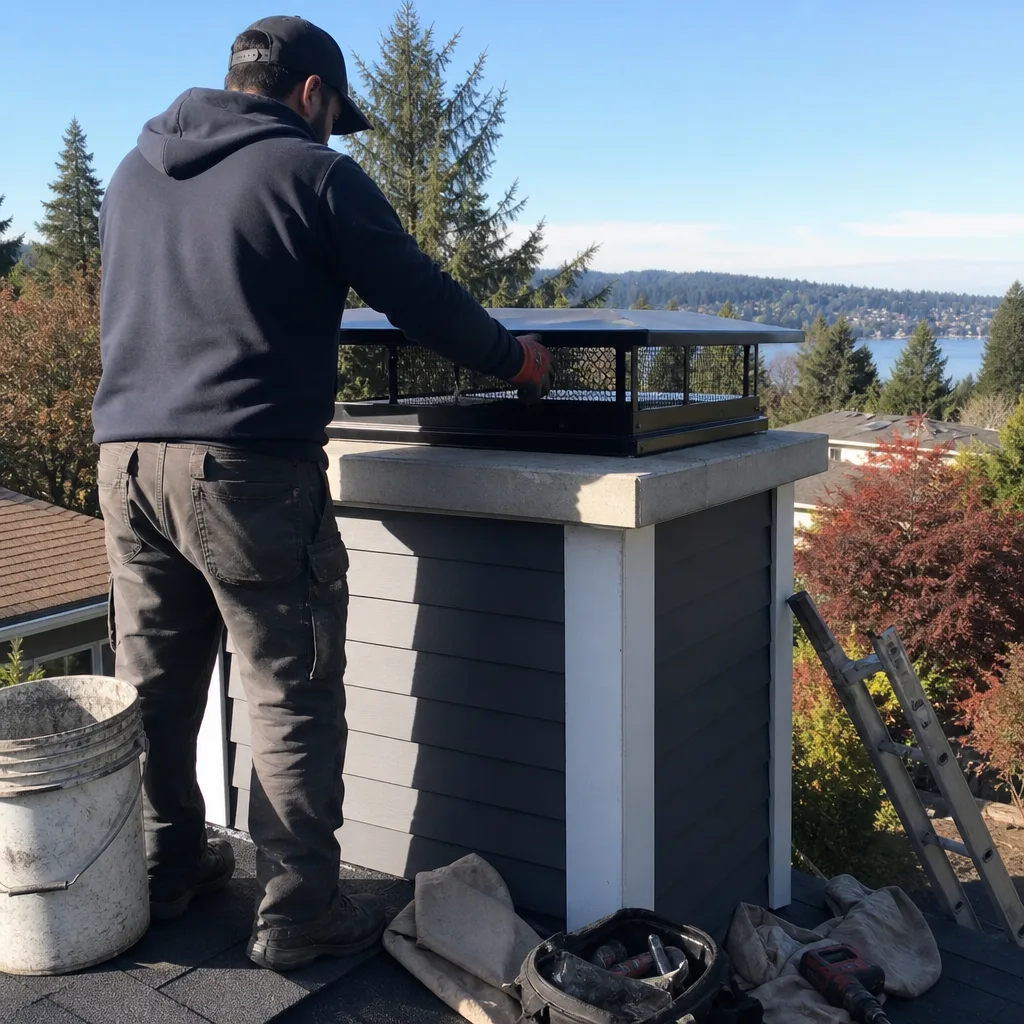 After
After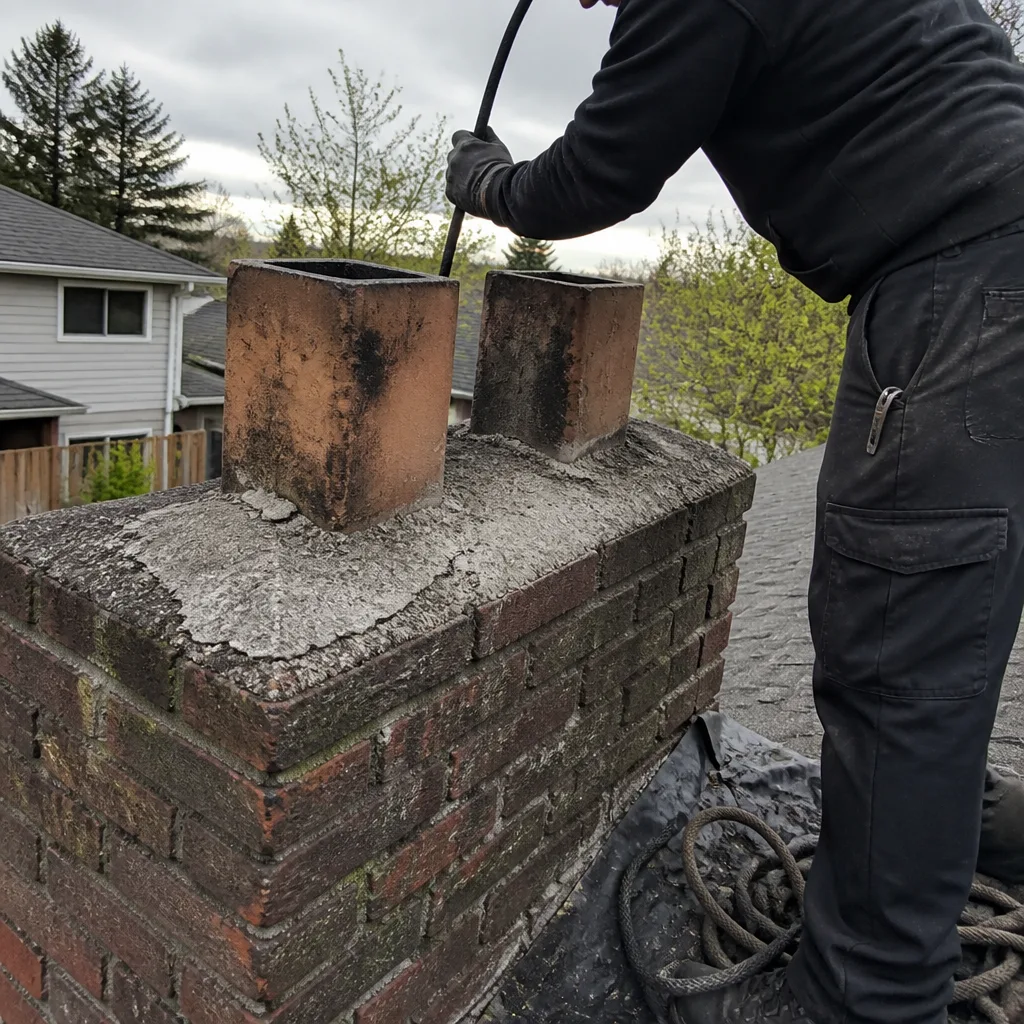 Before
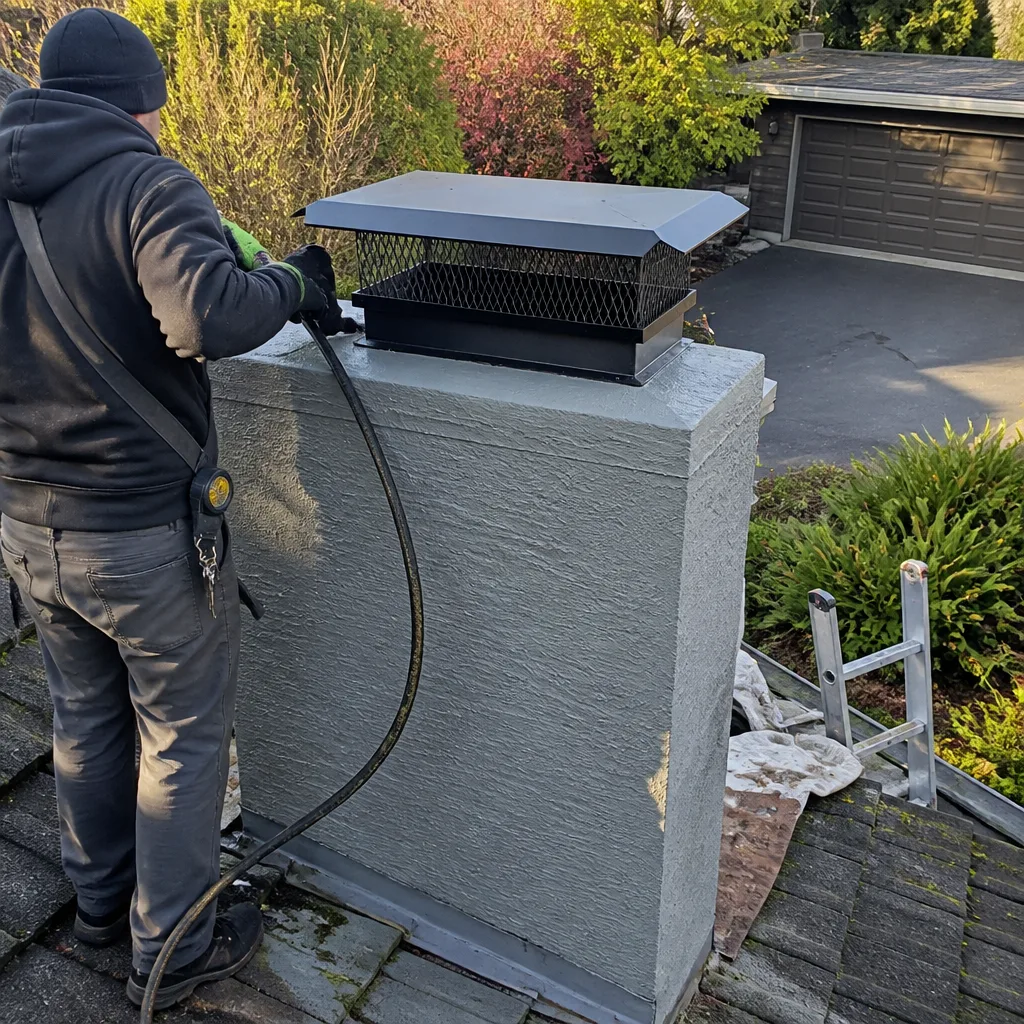 After
After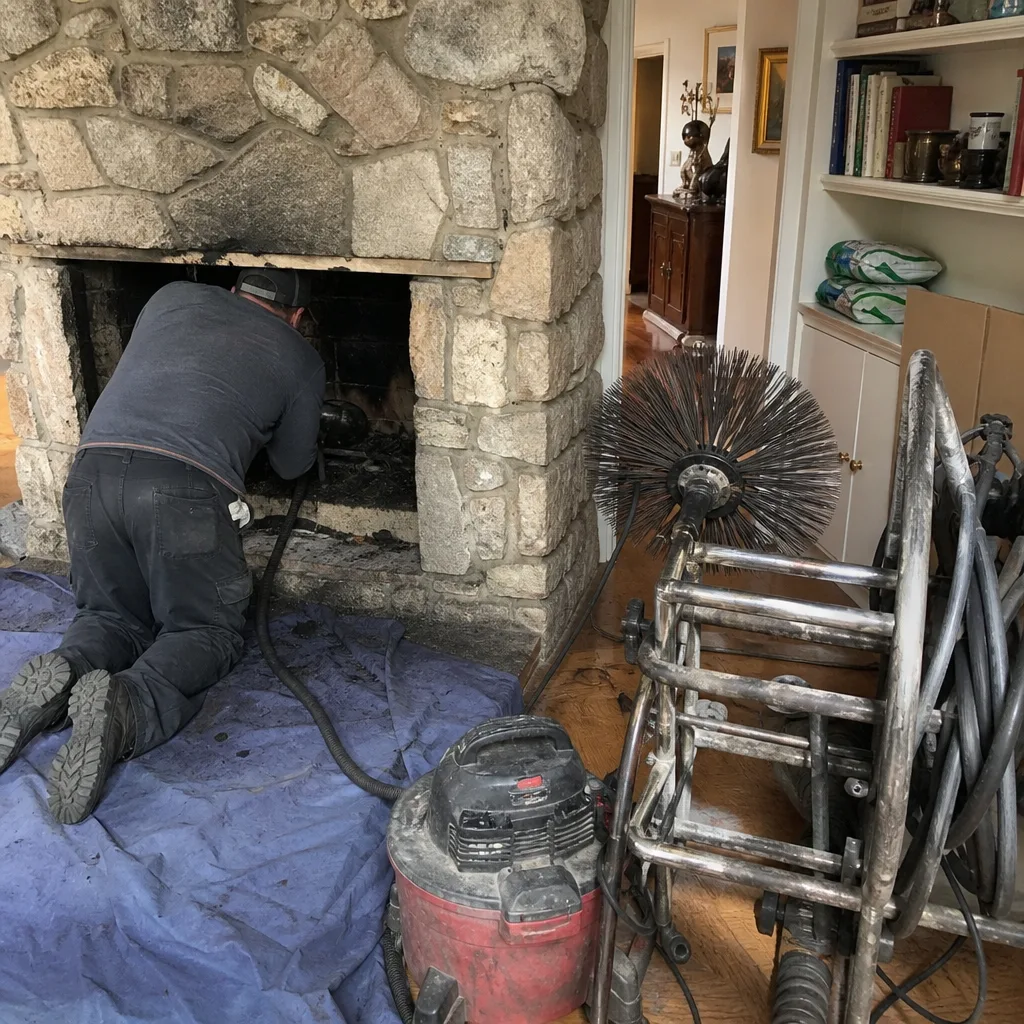 Before
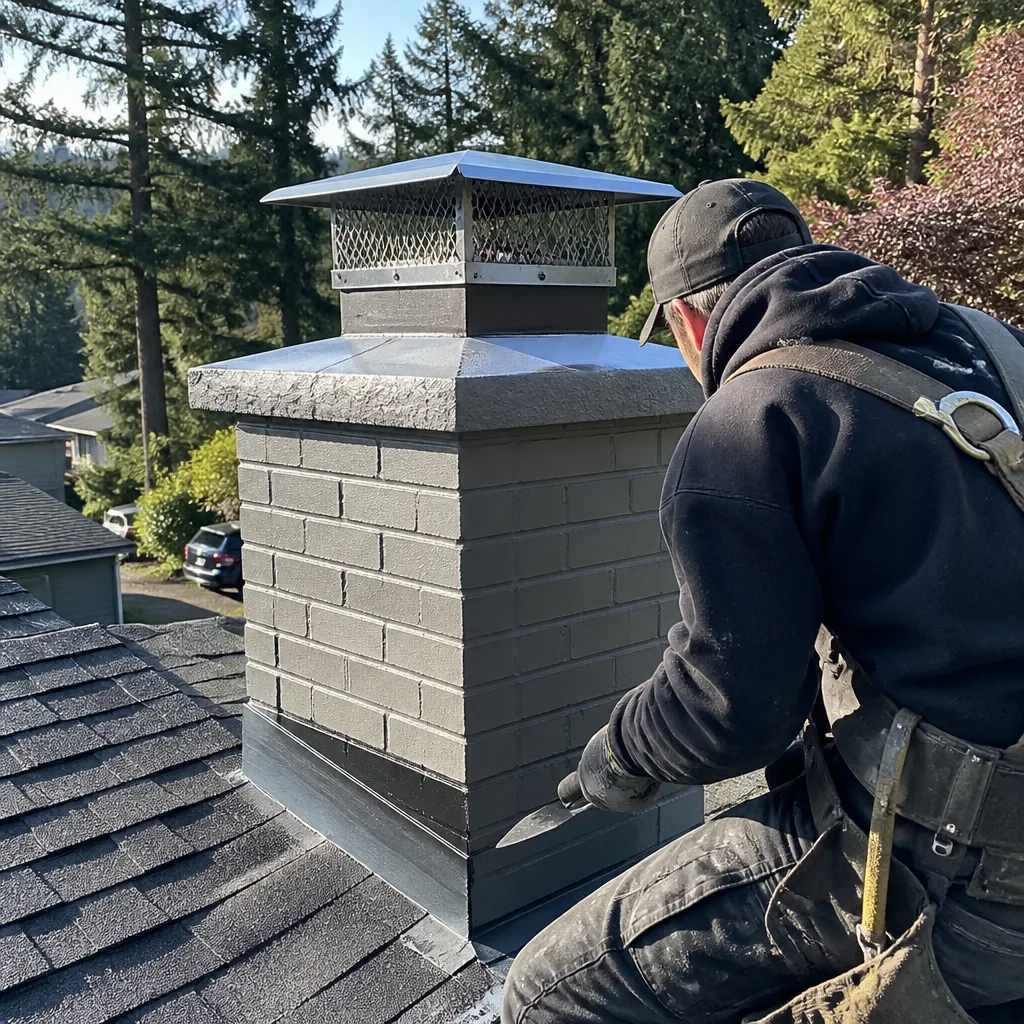 After
AfterChimney Cleaning Permits, Codes & Inspections in WA: What You Need to Know
Washington State doesn’t regulate chimney sweeping as a licensed trade. That surprises most homeowners in Kirkland, especially the ones who moved here from states where sweeps carry a mechanical license or a specialty contractor endorsement. What it means in practice is that anyone with a brush and a ladder can advertise a chimney cleaning. The only thing standing between you and an unqualified sweep is your ability to ask the right questions about what the code actually requires. In The Complete Guide to Chimney Cleaning in Kirkland, we’ll draw the line between cleaning and construction, explain when a permit gets triggered, and show you how to protect yourself with documentation that holds up in Kirkland’s permit office and with your insurance company.
Quick Answer
Chimney Cleaning & Sweep Maintenance Checklist for Kirkland Homeowners should note that routine sweeping does not require a permit anywhere in Washington State, including Kirkland. However, repairs commonly discovered during cleaning, such as flue liner replacement, chimney insert installation, crown reconstruction, or any alteration to the chimney structure, typically require a mechanical permit under WAC 51-52 and may need a building permit if structural elements are affected. The key distinction is maintenance versus alteration: if you’re removing deposits and inspecting, no permit; if you’re replacing components or changing the system’s design, you almost certainly need one.
Table of Contents
- Does Chimney Cleaning Require a Permit in Washington?
- What WAC 51-52 Says About Chimney Systems
- Kirkland’s Local Amendments and Permit Requirements
- How NFPA 211 Functions as Washington’s De Facto Inspection Standard
- What Your Insurance Company Actually Requires
- When a Sweep’s Findings Trigger Legal Reporting Obligations
- What a Proper Level 2 Inspection Includes in Kirkland
- Common Mistakes to Avoid
- When to Call a Professional
- Frequently Asked Questions
- The Bottom Line
 Before
 After
AfterDoes Chimney Cleaning Require a Permit in Washington?
No. Routine chimney cleaning, sweeping, and basic maintenance fall outside permit jurisdiction in every Washington jurisdiction we’ve worked in since 2009. The Washington State Building Code Council classifies chimney sweeping as maintenance, not construction, and maintenance doesn’t trigger the permit process under RCW 19.27 or the International Mechanical Code as adopted by reference in WAC 51-52.
Here’s where homeowners get tripped up, and Chimney Cleaning Warning Signs: A Kirkland Homeowner’s Reference Guide can help. A sweep arrives, runs a brush, and finds spalling brick, a cracked flue liner, or Class III glazed creosote that requires mechanical removal. The sweep says, “You need a liner replacement.” Now the conversation shifts from maintenance to alteration. Under WAC 51-5202, any “repair, replacement, or alteration of a chimney or venting system” requires a mechanical permit. The sweep who found the problem isn’t necessarily the one who tells you about the permit requirement. Many don’t mention it at all.
We’ve seen this play out hundreds of times in Kirkland neighborhoods from Juanita to Finn Hill. A homeowner receives a verbal quote for liner replacement, the work gets scheduled, and nobody pulls a permit. Six months later, the homeowner sells the house, the buyer’s inspector asks for permit documentation, and the closing stalls while the seller scrambles to get retroactive approval from the City of Kirkland. The permit office charges a penalty fee for work started without a permit, often 150% of the original permit cost, and may require exposed inspection of work already covered.
The practical rule: if the scope involves removing and replacing a component, or if the work changes the appliance’s venting configuration, assume a permit is required. If the scope is brush, vacuum, and camera inspection, it is not.
What WAC 51-52 Says About Chimney Systems
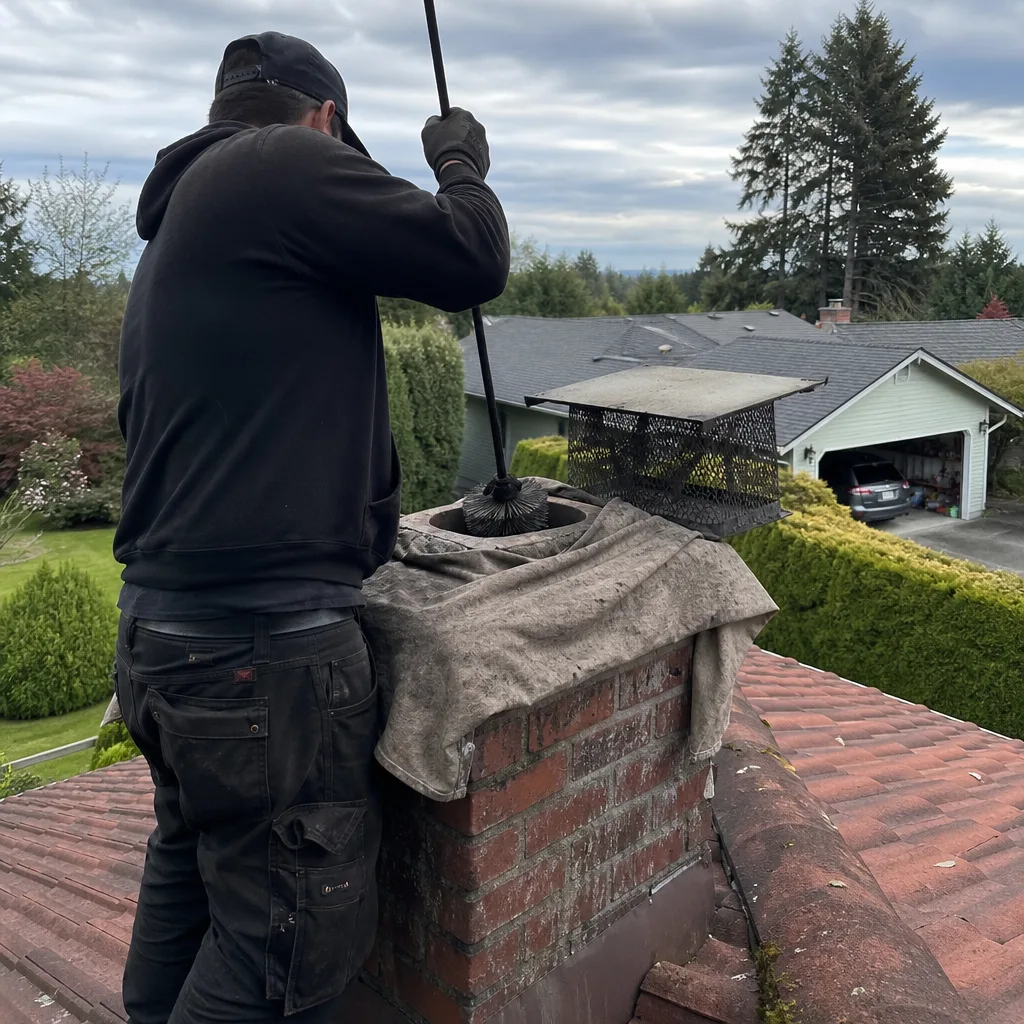
WAC 51-52 is Washington’s adopted version of the International Mechanical Code, with state amendments. It governs chimney construction, venting systems, and the mechanical permits required for installation, alteration, and repair. For homeowners, the relevant sections are Chapter 8 (Chimneys and Vents) and Chapter 1 (Administration), which define when a permit is mandatory.
Key provisions that affect Kirkland homeowners:
- Section 801.1 requires all chimneys and vents to be constructed and installed in accordance with NFPA 211 and the manufacturer’s instructions. This creates a dual compliance requirement: the mechanical code plus the NFPA standard.
- Section 105.1 states that a mechanical permit is required for “the installation, alteration, repair, replacement, or relocation of any chimney or venting system.” The word “repair” is the critical trigger for most post-sweep work.
- Section 105.2 lists exemptions, including “minor repairs” that don’t affect the system’s safety or structural integrity. This is where interpretation gets messy. Replacing a chimney cap is minor. Replacing a flue liner is not.
- Section 801.18 requires factory-built chimneys to be installed according to the manufacturer’s listing and labeled instructions. Deviation from these instructions, even for repair, typically requires engineered approval and a permit.
The Washington State Building Code Council updates WAC 51-52 on a three-year cycle aligned with the International Code Council’s publication schedule. The current adoption is based on the 2021 IMC with state-specific amendments. Kirkland, as a city with its own building department, enforces this code directly and can add local amendments that are more restrictive, not less.
One nuance that competitors rarely mention: WAC 51-52 applies to the mechanical permit, but chimney work often triggers the building code (WAC 51-50, the International Building Code) when structural elements are involved. Crown reconstruction that extends below the top course of brick, or any work that requires scaffolding attachment to the roof structure, may need a building permit in addition to the mechanical permit. The City of Kirkland’s permit office makes this determination at intake, not after the fact.
Kirkland’s Local Amendments and Permit Requirements
The City of Kirkland Building Division operates under the King County Consolidated Code, with local amendments to the state-adopted codes. For chimney work, Kirkland’s specific requirements center on three scenarios that commonly follow a cleaning inspection: liner replacement, insert installation, and crown reconstruction.
Liner Replacement Permits in Kirkland
Kirkland requires a mechanical permit for all flue liner replacements, including stainless steel relining with DuraFlex or similar listed products, and cast-in-place systems like HeatShield. The permit application requires:
- A site plan showing the chimney location relative to property lines
- The manufacturer’s installation instructions for the specific liner product
- A combustion analysis or appliance specification sheet showing the connected appliance’s BTU input and venting requirements
- A signed statement from the installer confirming compliance with NFPA 211 and WAC 51-52
Kirkland’s permit fee for mechanical work on a single-family chimney system is calculated based on the valuation of the work. As of our most recent permit pull in 2024, liner replacement permits typically run between $180 and $340, depending on project scope. The permit office at Kirkland City Hall, 123 5th Avenue, processes these in 3-5 business days for straightforward residential applications.
Inspection requirements include a rough inspection before the liner is fully sealed and a final inspection after completion. The rough inspection is where most homeowners get caught off guard. If your contractor installs the liner and seals it same-day without scheduling the rough, you’ll need to expose the connection point for inspector verification, or apply for a waiver with supporting documentation.
Insert Installation Permits
Wood stove and gas insert installations in Kirkland require both a mechanical permit and an electrical permit if the unit has a blower or electronic ignition. The mechanical permit covers the venting; the electrical permit covers the connection. Many homeowners don’t realize the dual requirement until the permit office returns an incomplete application.
Kirkland’s amendment to the state code requires Hearth, Patio & Barbecue Association (HPBA) installation guidelines for all solid-fuel inserts, in addition to the manufacturer’s instructions. This is stricter than some neighboring jurisdictions. The practical effect is that your installer needs to document clearances to combustibles using the HPBA worksheet, not just the manufacturer’s generic diagram.
Crown Reconstruction Permits
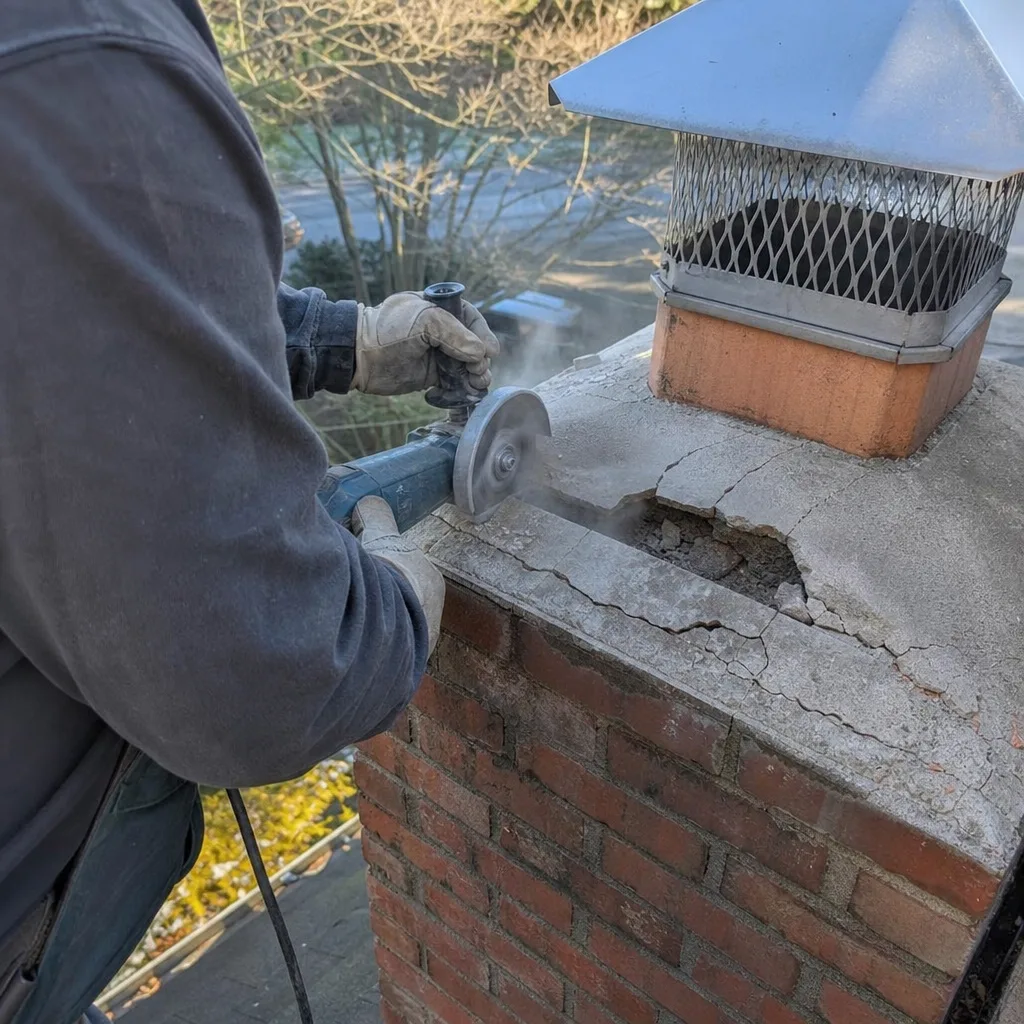
Crown work triggers a building permit in Kirkland when the repair extends more than two inches below the top of the chimney structure, or when the crown is being rebuilt with a changed profile or overhang. Purely cosmetic sealing with a crown coat product typically does not require a permit, but structural crown replacement does. The distinction matters because crown coating is a common upsell after cleaning reveals cracking, and homeowners often don’t know whether they’re buying a sealant or a structural repair.
We’ve pulled permits for crown reconstruction in Kirkland’s Highlands neighborhood and in the older homes near downtown where masonry chimneys from the 1960s and 1970s are common. In every case, the building inspector verified the crown’s slope, drip edge, and thickness against the masonry code, not just the sweep’s verbal assurance that “it looks good.”
How NFPA 211 Functions as Washington’s De Facto Inspection Standard
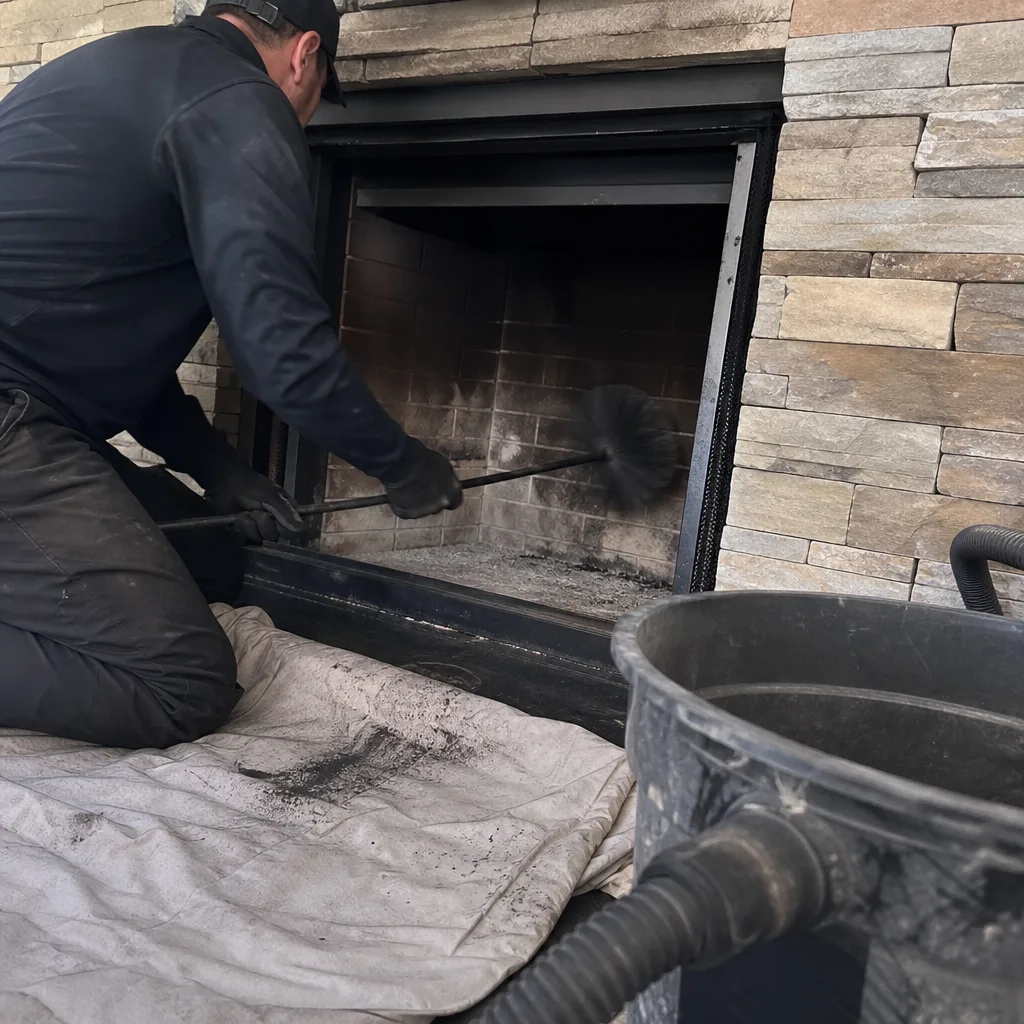
NFPA 211, Standard for Chimneys, Fireplaces, Vents, and Solid Fuel-Burning Appliances, is not a permit requirement in Washington. You won’t find a citation to NFPA 211 in WAC 51-52’s permit section. But it is referenced throughout the mechanical code as the technical standard for proper construction and maintenance, and it is the benchmark that Kirkland building inspectors, insurance adjusters, and fire marshals apply when evaluating chimney safety.
What this means for homeowners: your sweep doesn’t need to follow NFPA 211 to clean your chimney, but if something goes wrong, a fire, a carbon monoxide incident, an insurance claim, the investigation will be conducted against NFPA 211’s requirements. A sweep who doesn’t work to that standard leaves you exposed.
NFPA 211 defines three levels of inspection:
- Level 1: Visual inspection of readily accessible portions of the chimney exterior and interior, and the appliance and connection. Appropriate for annual maintenance when no changes have been made to the system.
- Level 2: Includes everything in Level 1, plus inspection of accessible portions of the chimney exterior and interior, including attics, crawl spaces, and basements, with a video scan of the flue interior. Required upon the sale or transfer of a property, after an operating malfunction or external event, or when changes are made to the system.
- Level 3: Includes everything in Level 2, plus demolition of concealed portions of the building or chimney as necessary to investigate suspected hazards. Required when a hazard is suspected but cannot be confirmed by Level 2 methods.
At Level Two Chimney Kirkland home, we made Level 2 inspection the default on every visit in 2009, years before regulators or insurers asked for it. That practice became Clause 4 of the Haven Standard: a documented photo record on every job, not an optional add-on. When we scan a flue in a Kirkland home, the homeowner receives the footage, still images of any defects, and a written report citing the specific NFPA 211 section that applies.
The insurance angle is where NFPA 211 documentation proves its value. After the 2021 Bolt Creek Fire and the increasing frequency of wildfire-related claims in King County, insurers have tightened documentation requirements for solid-fuel appliances. A verbal “your chimney is fine” from a sweep doesn’t satisfy a claims adjuster. A Level 2 inspection report with dated video footage does.
What Your Insurance Company Actually Requires
Homeowner’s insurance policies in Washington typically include a maintenance clause for solid-fuel heating appliances. The language varies by carrier, but the core requirement is consistent: the homeowner must maintain the appliance and chimney in accordance with manufacturer specifications and applicable codes, with documentation available on request.
What “documentation” means in practice has shifted significantly. Ten years ago, a sweep’s handwritten receipt with “cleaned and inspected” was usually sufficient. Today, major carriers writing policies in Kirkland, including those serving the higher-value homes in Bridle Trails and Market Street, require:
- A dated inspection report from a qualified technician
- Evidence of cleaning, typically noted in the same report
- Documentation of any defects found and corrective actions taken
- Confirmation that the system was operational and safe at the time of inspection
The key word is “qualified.” Washington’s lack of licensing for sweeps means insurers increasingly rely on third-party verification. A report that cites NFPA 211, includes video documentation, and comes from a company with a verifiable track record carries weight. A verbal service call or a carbon-copy checklist does not.
We’ve processed Free Second Opinions for Kirkland homeowners whose insurers declined renewal based on inadequate chimney documentation. In every case, the original sweep had provided a paper receipt with a checkmark for “inspected.” No photos. No video. No written scope of what “inspected” meant. The insurer’s position was defensible: they had no evidence that a qualified inspection occurred.
Clause 4 of the Haven Standard requires a photo record on every job specifically because documentation gaps expose homeowners to coverage disputes. Our reports include the technician’s name, license information, the equipment used for inspection, and the specific NFPA 211 sections evaluated. If your carrier asks for proof of maintenance, you hand them a file that answers the question completely.
One specific Kirkland consideration: homes in the Finn Hill and North Rose Hill areas, built in the 1970s and 1980s with factory-built metal chimneys, face heightened scrutiny. Several carriers have added endorsements requiring proof of liner integrity for these systems, as the original galvanized liners have reached end of life. A Level 2 inspection with camera footage of the liner condition is the only documentation that reliably satisfies this requirement.
When a Sweep’s Findings Trigger Legal Reporting Obligations
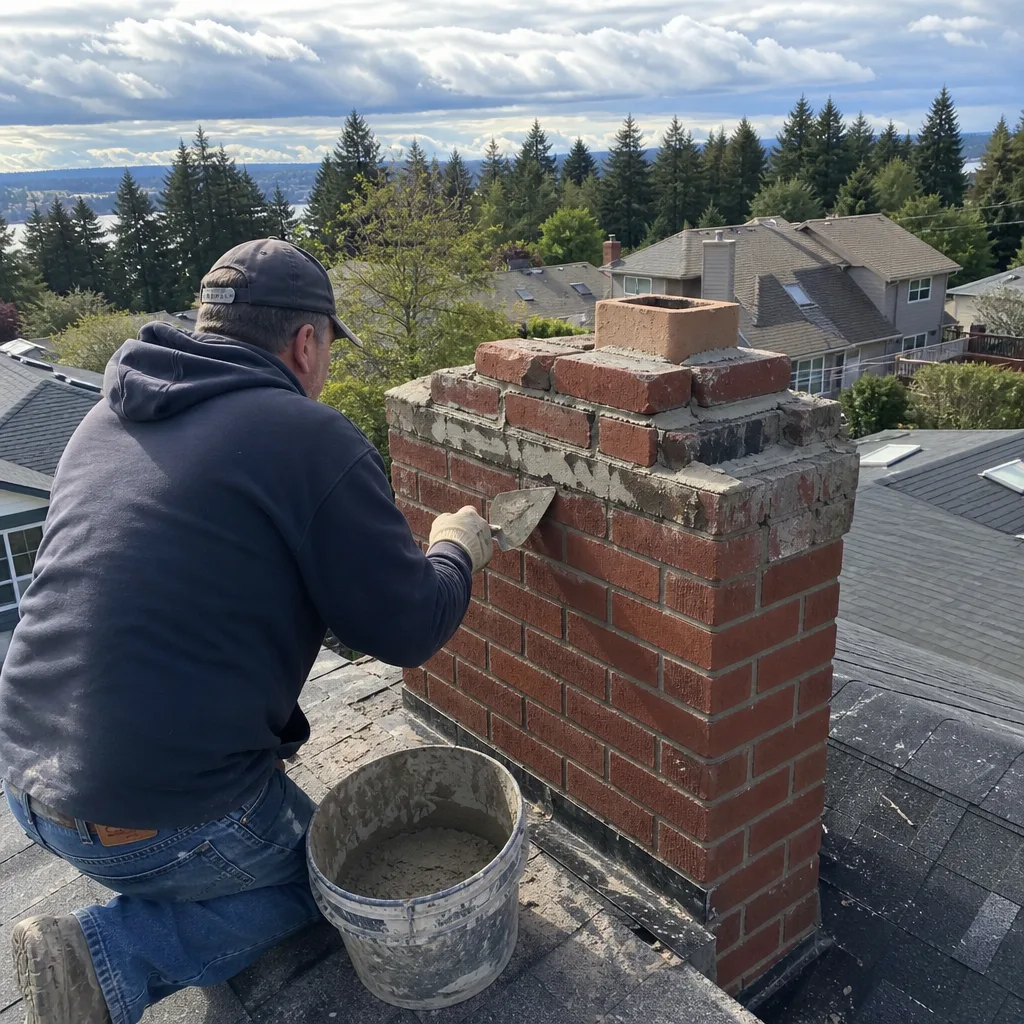
Washington State does not license chimney sweeps, but that doesn’t mean sweeps operate without legal obligations. Several scenarios create a duty to report or warn that competent sweeps take seriously.
Carbon Monoxide Risk
If a sweep discovers conditions that could lead to carbon monoxide intrusion, blocked flue, disconnected vent connector, deteriorated liner with visible gaps, the sweep has a common-law duty to warn the homeowner in writing. This isn’t a code requirement; it’s a tort law standard. The warning should identify the specific hazard, explain the mechanism of risk, and recommend immediate discontinuation of appliance use until repair.
We’ve documented CO risks in Kirkland’s older housing stock, particularly in basement installations with exterior masonry chimneys subject to freeze-thaw cycling. In one case on 8th Avenue South, a deteriorated liner combined with a negative pressure basement created a backdraft condition under certain weather conditions. Our report flagged the hazard, recommended immediate cessation of wood burning, and provided the documentation the homeowner needed for an emergency repair permit.
Structural Compromise
A sweep who observes structural damage to a chimney, leaning, significant spalling, visible separation from the building, has a duty to inform the homeowner that the condition may affect building safety. While the sweep isn’t a structural engineer and shouldn’t overstate their expertise, documenting the observation and recommending engineering evaluation protects both the homeowner and the sweep.
Kirkland’s seismic requirements add a layer here. Unreinforced masonry chimneys in pre-1980 construction are a known seismic hazard. A sweep who observes an unbraced chimney above the roofline in an older Kirkland home should note this in the inspection report, even though it’s outside the scope of a mechanical inspection.
Imminent Fire Hazard
Class III glazed creosote, the hardened, tar-like deposit that forms from slow combustion of unseasoned wood, is an imminent fire hazard. NFPA 211 recognizes that mechanical removal may be impractical and recommends chemical treatment followed by monitored burning to consume the deposit. A sweep who identifies Class III creosote and simply brushes past it without warning is negligent. The proper response is written documentation of the finding, explanation of the fire risk, and presentation of treatment options with their respective risks and costs.
We use Copperfield and Famco products for chemical treatment of glazed creosote, with treatment protocols documented in the inspection record. The homeowner receives a written plan, not a verbal recommendation, and the follow-up sweep is scheduled with the same documentation standard.
What a Proper Level 2 Inspection Includes in Kirkland
A Level 2 inspection is the minimum standard for any chimney transaction in Washington: home purchase, post-event evaluation, or pre-repair documentation. At Chimney Cleaning & Sweep in Kirkland, our Level 2 protocol follows NFPA 211.8.2 with Haven Standard documentation requirements.
The inspection includes:
- Exterior evaluation: Crown condition, cap installation, flashing integrity, brick or siding condition, clearance to combustibles, and evidence of settlement or leaning. We photograph every elevation.
- Interior accessible spaces: Attic chimney passage for proper clearance and insulation contact, basement or crawl space appliance connection, firestop compliance at floor penetrations.
- Firebox and smoke chamber: Refractory panel condition, damper operation, smoke chamber parging (the protective mortar coating), lintel integrity.
- Video flue scan: A camera is run the full length of the flue liner, with footage recorded and reviewed in real time with the homeowner when possible. We document liner joints, mortar condition, offset alignment, and any obstructions or deposits.
- Appliance and connection: Proper connector type, support, and clearance; evidence of previous modifications; compliance with manufacturer’s listing.
- Written report with pricing: Every finding is described in plain terms, with a written price for any recommended work, a written scope of what that work includes, and a written warranty. Clause 1 of the Haven Standard, “Have it in writing,” applies here.
The entire process typically takes 90 minutes to two hours for a single-flue system in a Kirkland home. The homeowner receives the video footage, still images, and written report before any work is discussed. This isn’t a sales tactic; it’s the documentation standard that protects you in permit applications, insurance claims, and real estate transactions.
We’ve completed more than 38,000 chimney inspections and cleanings since 2009. Every one had a written price before work started and a documented record when it was done. That archive, maintained under Haven Standard Clause 4, means we can produce documentation for any previous customer, any previous property, with date-stamped evidence of condition.
Common Mistakes to Avoid
- Assuming a “certified” sweep knows local permit requirements. Washington has no state certification for chimney sweeps. CSIA certification indicates training, but it doesn’t guarantee knowledge of Kirkland’s permit process or local amendments. Ask specifically about recent permit pulls in Kirkland.
- Letting a sweep start repair work same-day without permit verification. The convenience of immediate repair often means the permit gets skipped. If the scope requires a permit, the work should be scheduled after permit approval, not before. Retroactive permits in Kirkland carry penalty fees and may require destructive inspection.
- Accepting a verbal report for insurance documentation. Insurers deny claims based on inadequate documentation every year. A written report with photos and video is the standard. Anything less leaves you exposed.
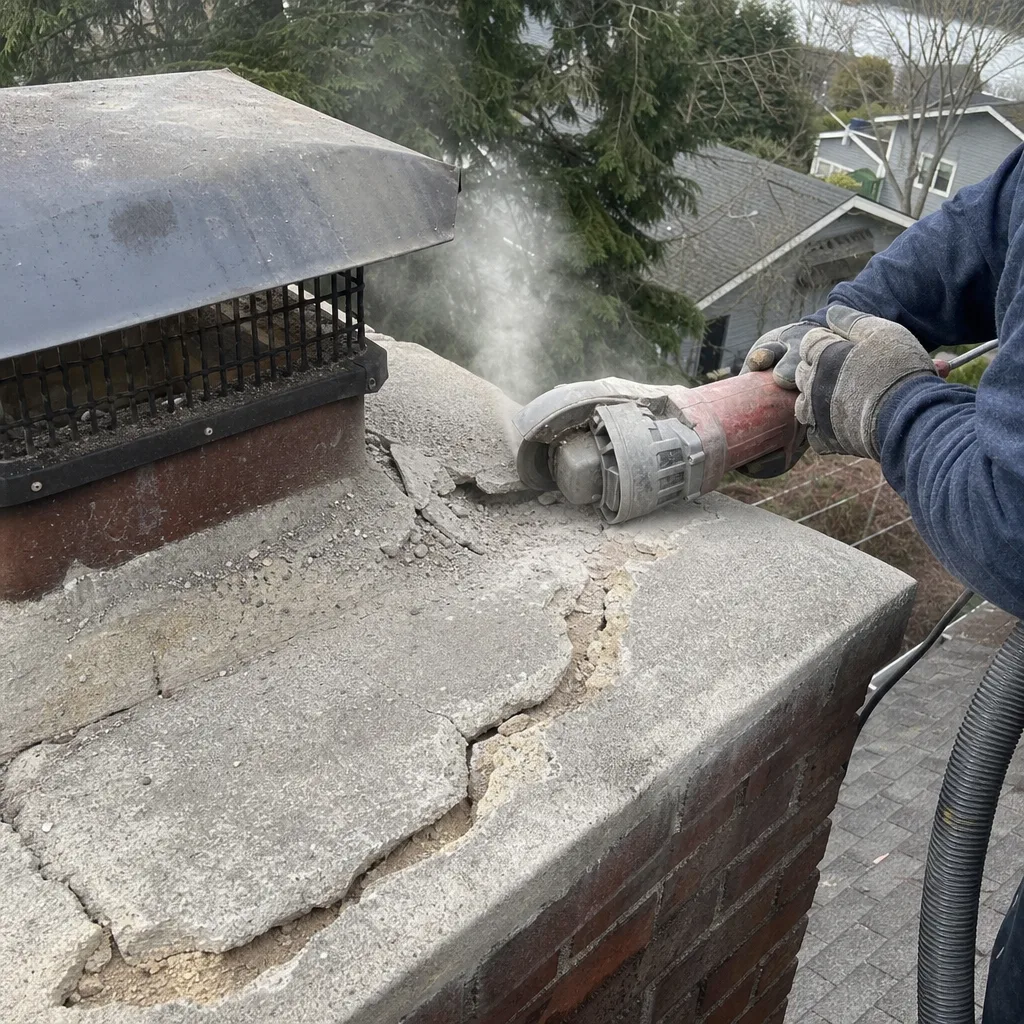
- Confusing crown sealing with crown reconstruction. Many sweeps in the Kirkland market offer “crown repair” that is actually a thin sealant coating over cracked concrete. This is maintenance, not reconstruction, and it doesn’t address structural cracking. Know which you’re buying, and know which requires a permit.
- Neglecting the electrical permit for insert installations. A gas insert with a blower or electronic ignition needs two permits in Kirkland: mechanical for venting, electrical for power. Single-permit installations create compliance gaps that surface at sale.
- Failing to document pre-existing conditions before cleaning. Aggressive mechanical cleaning can damage an already-compromised liner. A camera inspection before cleaning, standard in our Level 2 protocol, documents that any damage existed before our work began.
- Ignoring Kirkland’s specific requirements for factory-built chimney repairs. The city requires manufacturer-specific parts for factory-built systems, not generic equivalents. Using a generic cap or chase cover can fail inspection and void the system’s listing.
When to Call a Professional
Call a qualified chimney professional when you’re buying a home with a solid-fuel appliance, after any chimney fire or operational incident, before installing a new stove or insert, or if your last inspection was more than a year ago and included only a flashlight look. For more guides & resources, see our blog. In Kirkland’s climate, with wet winters that accelerate masonry deterioration and freeze-thaw cycles that stress older chimneys, annual Level 2 inspection is the prudent standard for active wood-burning systems.
If you’ve received a repair recommendation from another sweep and want verification, Chimney Repair in Kirkland includes our Free Second Opinion service. Bring us any competitor’s written estimate. We’ll evaluate the scope, verify whether the described work requires permits, and provide our own written assessment. Level Two Chimney Kirkland offers free estimates in Kirkland. Call (425) 642-3485.
Frequently Asked Questions
A standard chimney cleaning and Level 2 inspection in Kirkland typically ranges from $280 to $450 for a single-flue masonry system, depending on accessibility, creosote accumulation, and whether chemical treatment is needed for glazed deposits. Factory-built metal chimneys and multi-flue systems may fall outside this range. We provide a written price before any work starts, with no exceptions. Call (425) 642-3485 for an exact quote, estimates are free.
You need a new flue liner if the existing liner is cracked, perforated, or improperly sized for the connected appliance, as documented by video inspection. In Kirkland, we frequently find clay tile liners in homes built before 1990 with thermal shock cracking from rapid heating, or with mortar joint deterioration from moisture intrusion. A liner isn’t always required; if the existing liner is intact and properly sized, cleaning and continued monitoring may be sufficient. We show you the camera footage and explain the specific defect before recommending replacement. Call (425) 642-3485 for a free evaluation.
NFPA 211 recommends annual inspection for all solid-fuel systems, with cleaning frequency determined by creosote accumulation, not calendar time. In Kirkland’s wet climate, where homeowners often burn softer woods like Douglas fir that haven’t been fully seasoned, we see heavier creosote buildup than in drier eastern Washington markets. Most active wood-burning households here need annual cleaning; occasional users may extend to every two years if inspection confirms minimal deposit. The only way to know is camera verification, not guesswork.
Skipped maintenance leads to creosote accumulation, which increases chimney fire risk, and undetected liner deterioration, which increases carbon monoxide intrusion risk. In Kirkland’s older neighborhoods with original masonry chimneys, we’ve also seen water intrusion from deteriorated crowns cause structural damage that extends far beyond the chimney itself. The cost of deferred maintenance is typically a multiple of the cost of annual inspection and cleaning. A chimney fire can cause tens of thousands in damage; a CO incident can be fatal. Neither is theoretical, we’ve documented the aftermath of both in our service area.
Yes, homeowners can clean their own chimneys without a permit, as cleaning is maintenance, not construction. However, we don’t recommend DIY cleaning for systems with suspected liner damage, steep roof access, or heavy creosote accumulation. The safety risks, falls from height, improper tool use causing liner damage, incomplete removal leaving fire hazards, often exceed the cost of professional service. If you do clean your own chimney, document the work with dated photos for insurance purposes, and schedule a professional Level 2 inspection at least every three years for verification.
Kirkland doesn’t have a separate historic preservation overlay for chimney work, but homes in designated historic districts or on the Kirkland Heritage Register may require additional review if exterior alterations are visible from the public right-of-way. This typically affects crown reconstruction or chimney rebuilding that changes the profile or materials, not routine cleaning. The permit office will flag this requirement at application if it applies. We coordinate with the permit office on these projects and include any special conditions in our written scope.
The Bottom Line
Chimney cleaning in Washington doesn’t require a permit, but the line between cleaning and construction is sharper than most homeowners realize. Know the distinction: maintenance is permit-free, alteration requires approval. In Kirkland, that means understanding WAC 51-52, Kirkland’s local amendments, and the documentation standard that protects you when insurance or real estate transactions require proof of proper maintenance. A Level 2 inspection with video documentation isn’t an upsell, it’s the minimum standard for a system that affects your home’s safety and your family’s exposure to fire and carbon monoxide risk. Get the inspection, get the footage, get the written price, and get the permit when the work crosses the line.
Written by Corrine Halstead, Owner at Level Two Chimney Kirkland, serving Kirkland since 2009.