
Last updated September 22, 2026
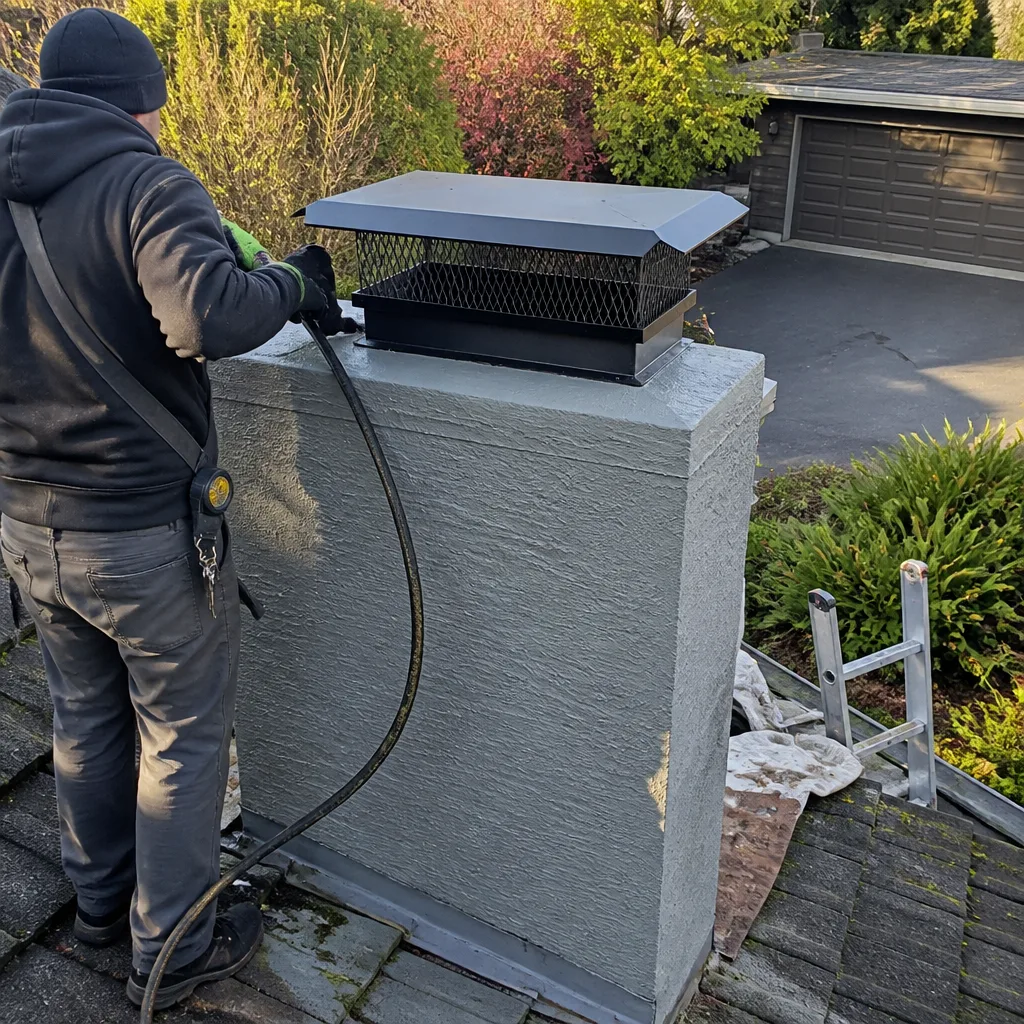
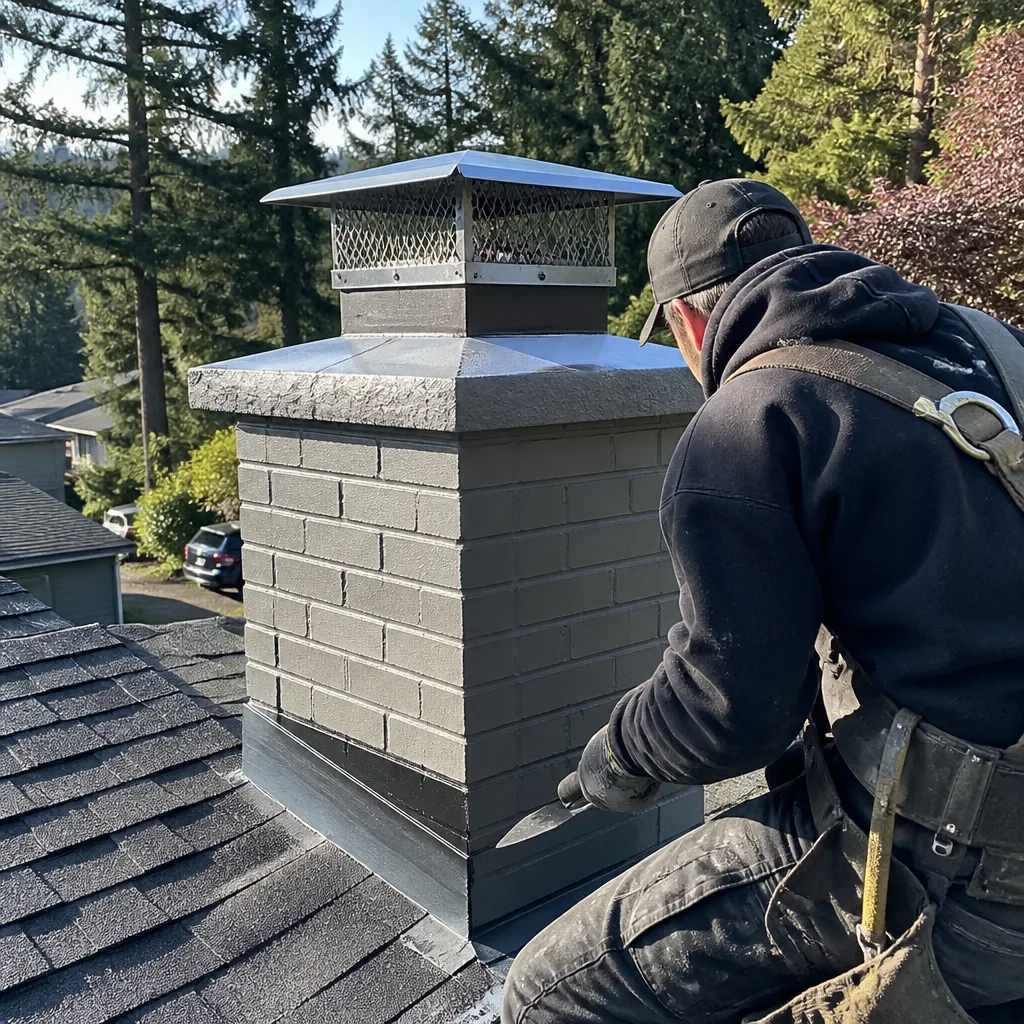
Level 1 sweep and inspection to the NFPA 211 annual standard - flue, crown, cap, and flashing checked and photographed
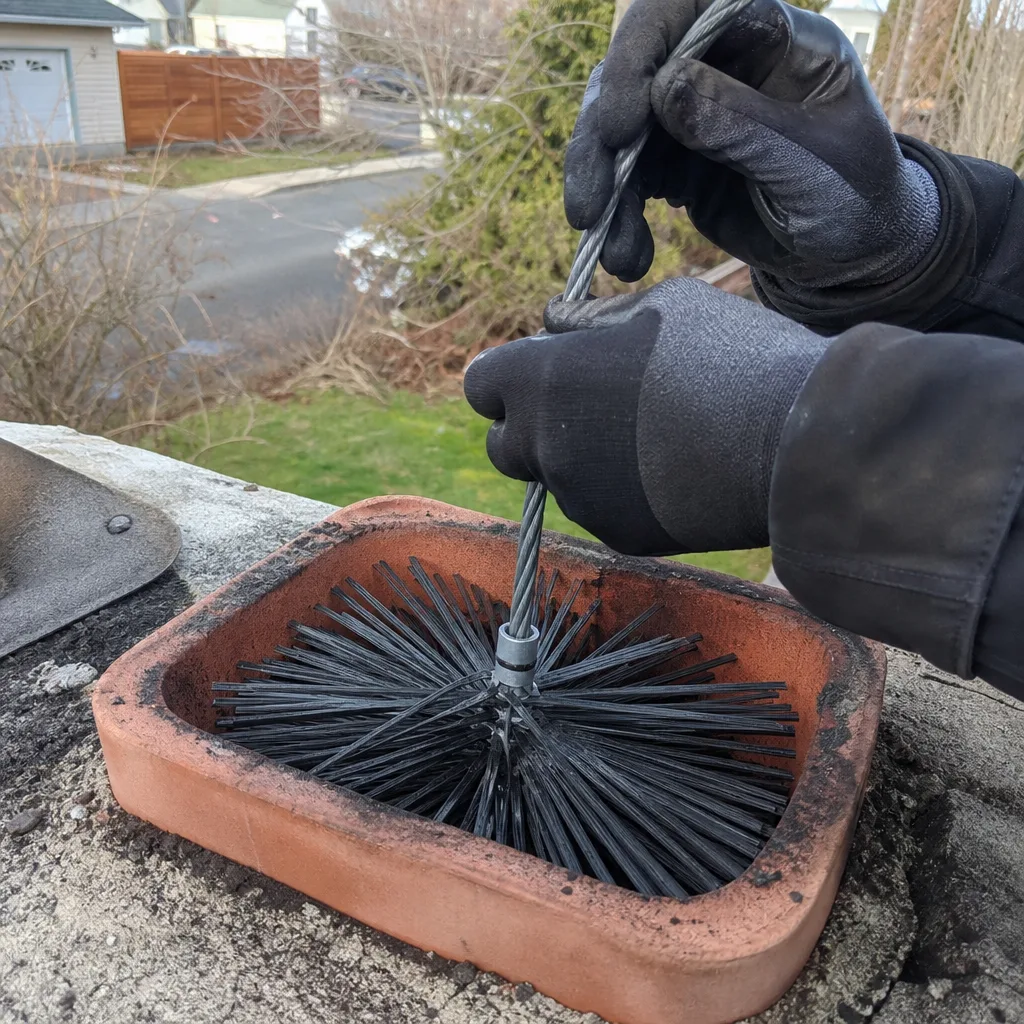
Chimney sweep logs do not sweep chimneys. They loosen some creosote - which then falls where a brush and vacuum still have to collect it.
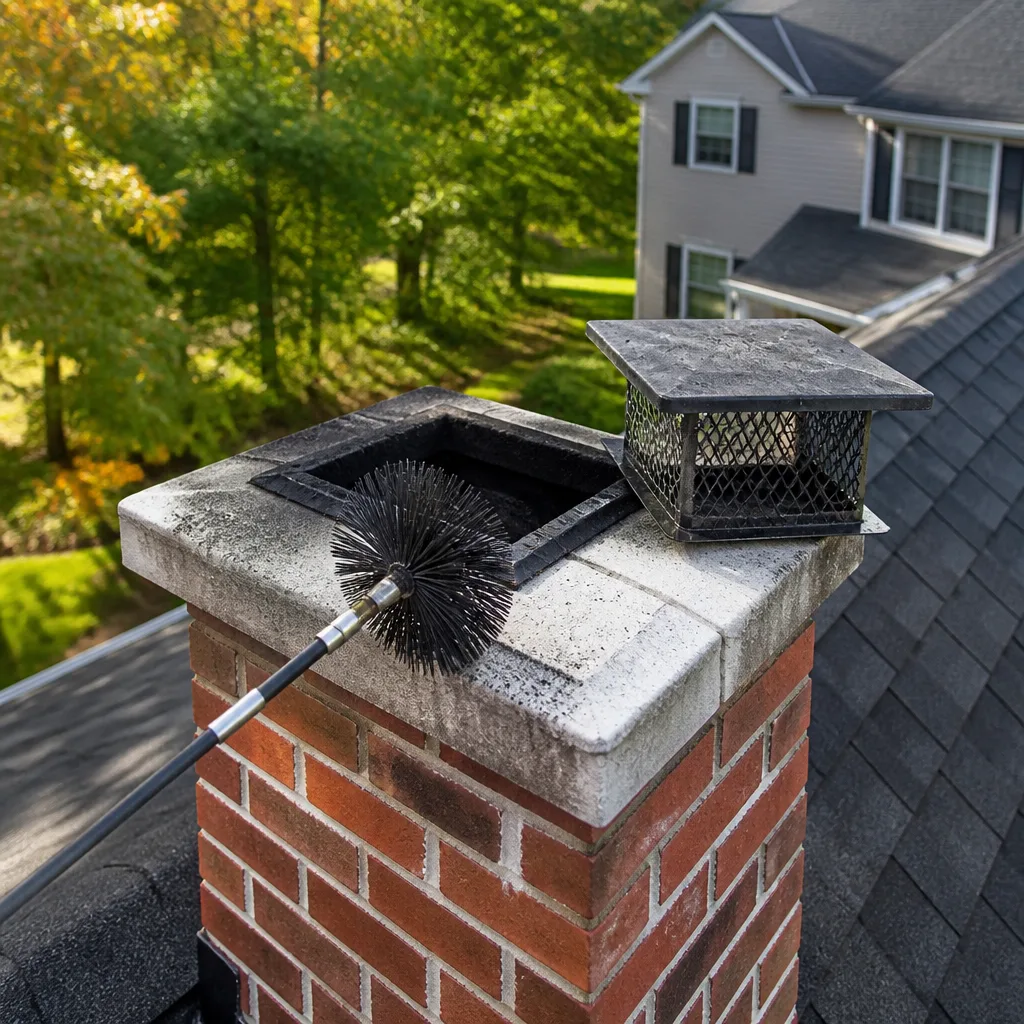
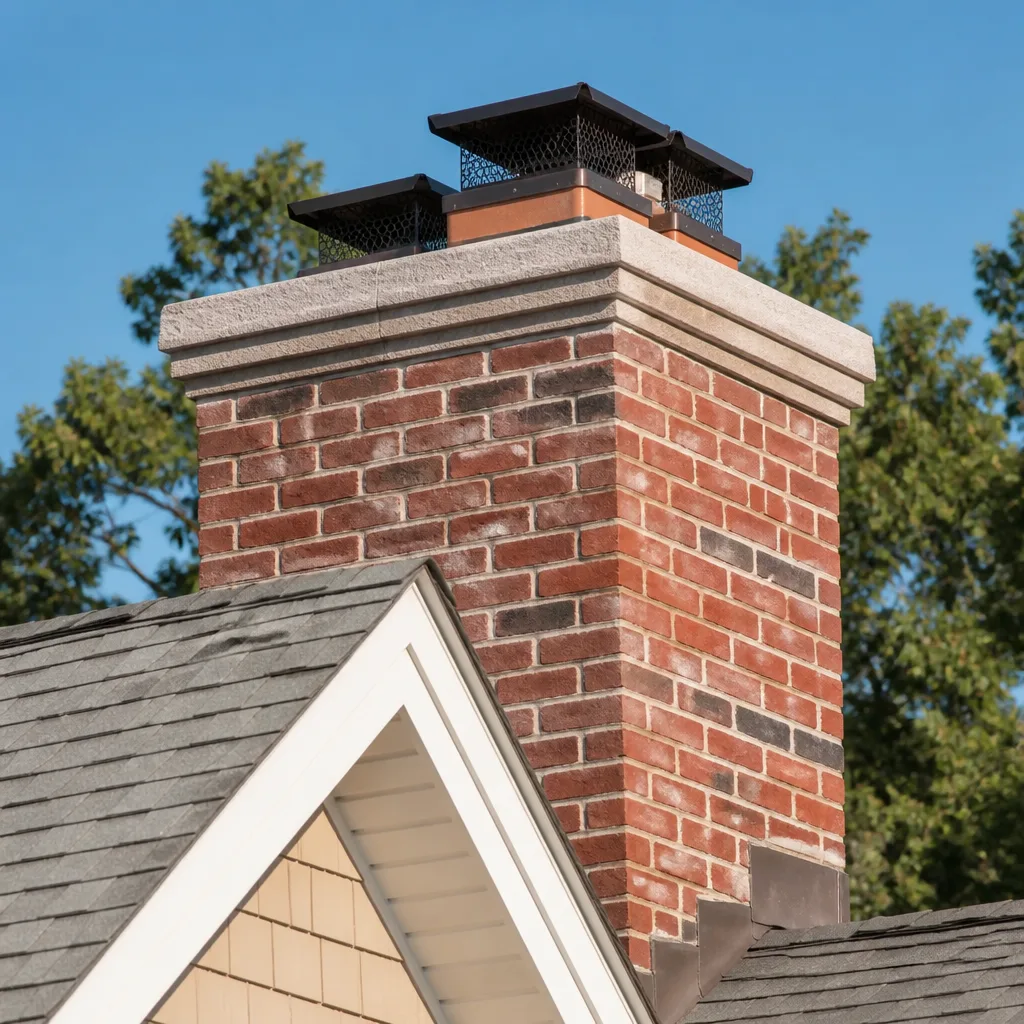
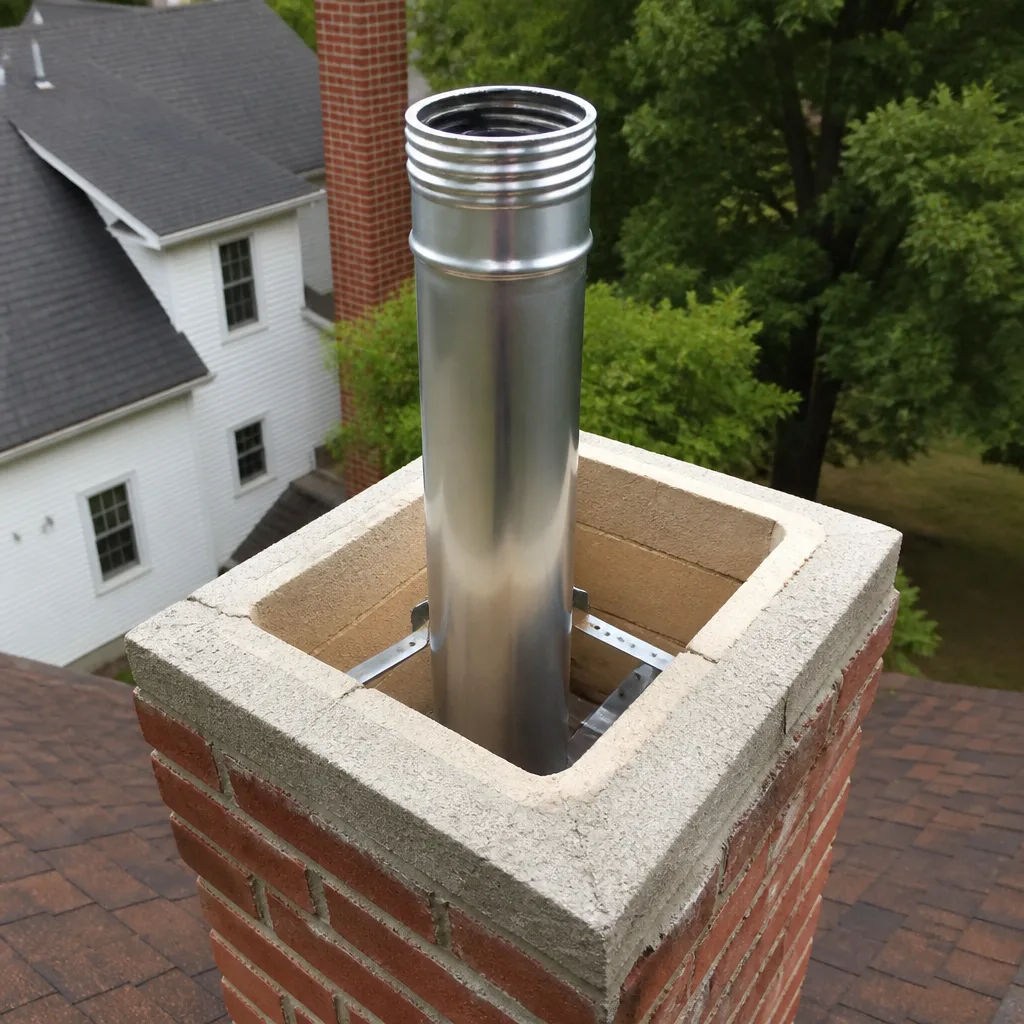
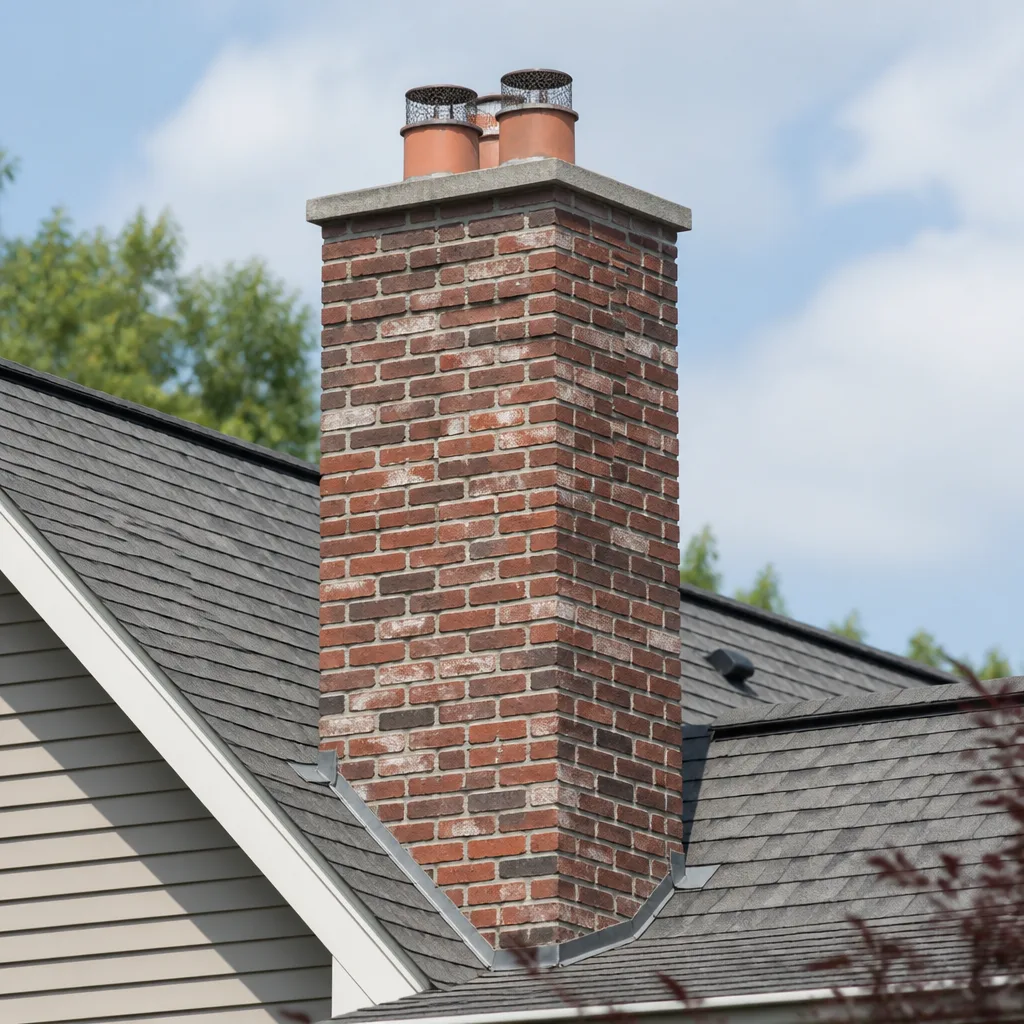
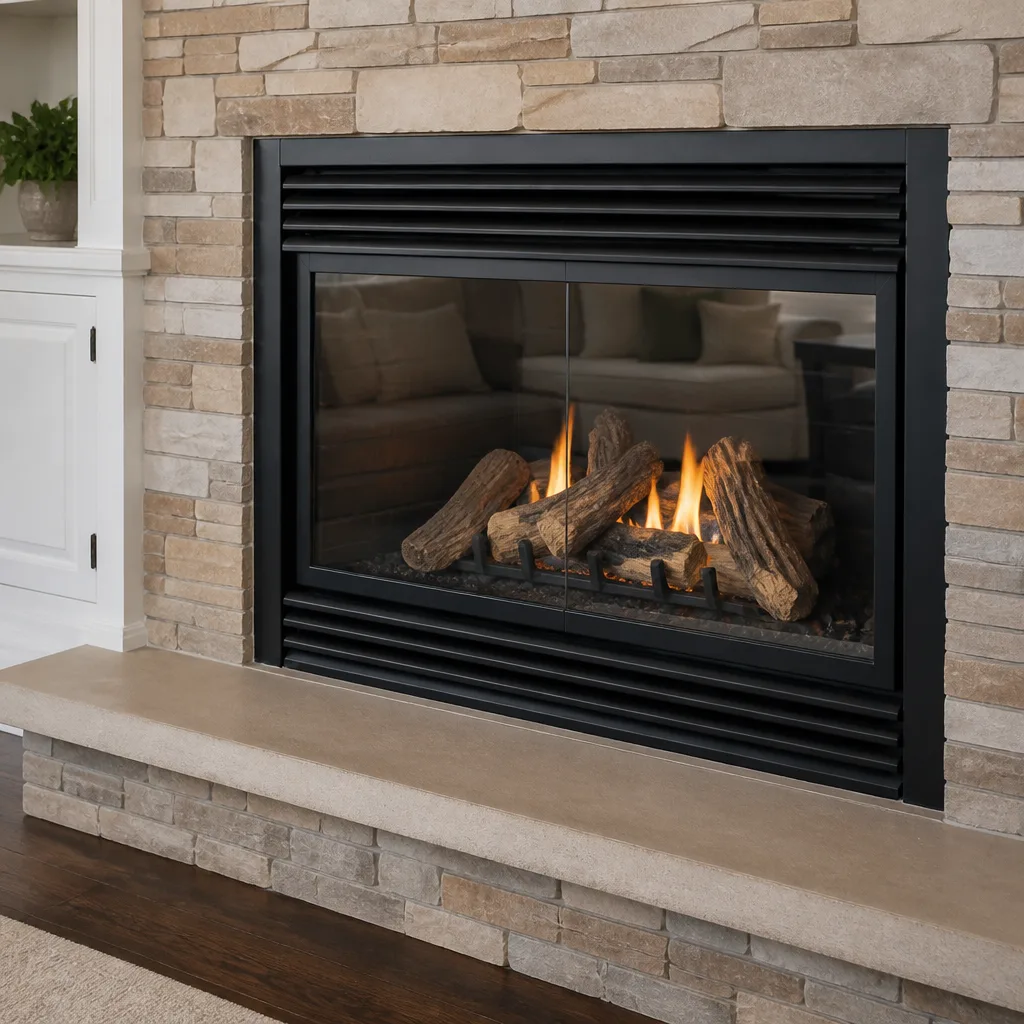
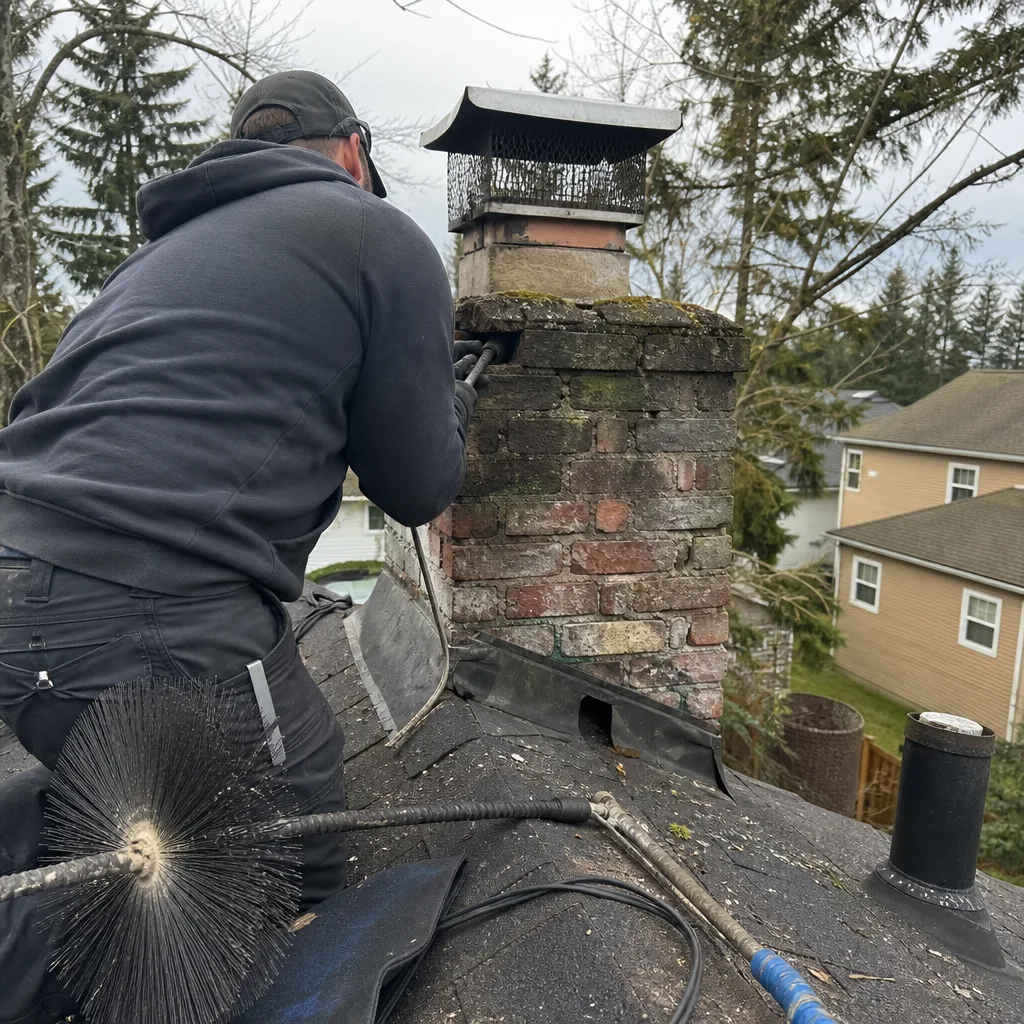 Before
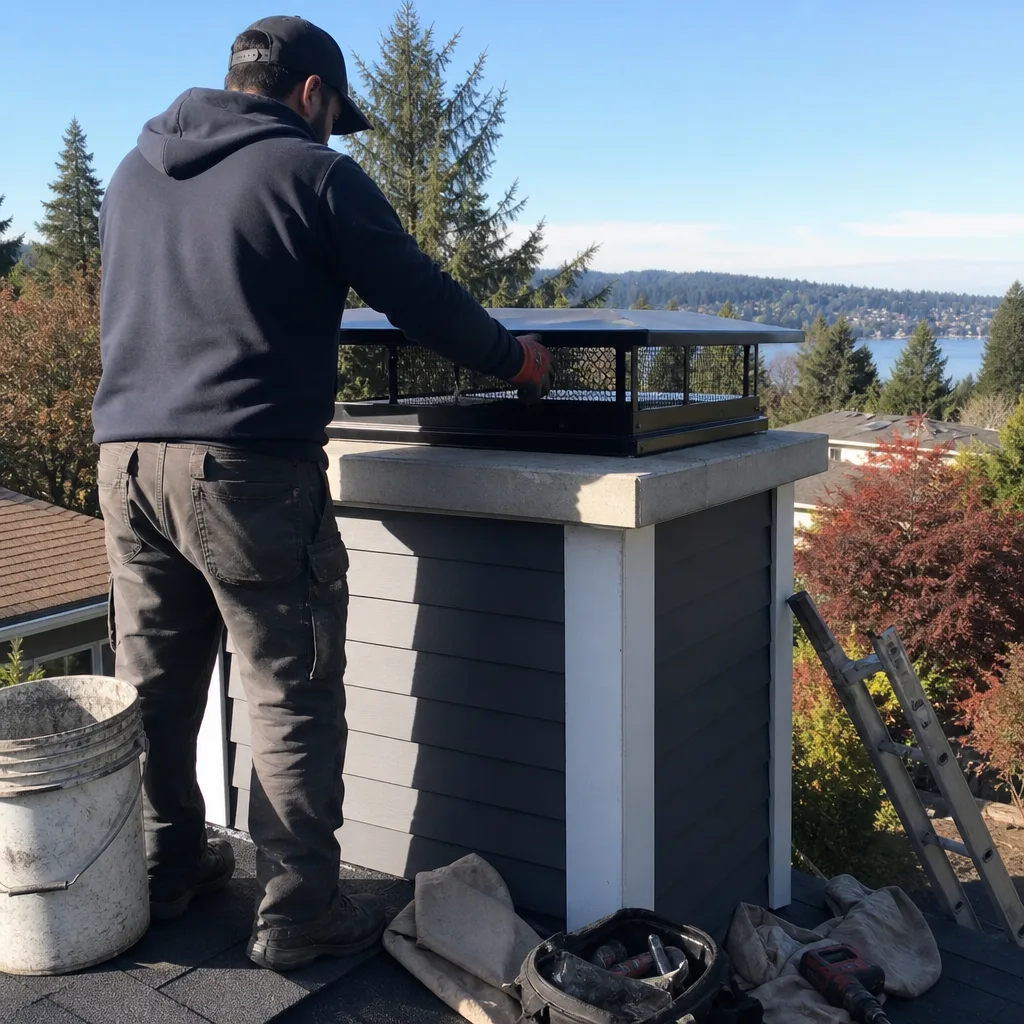 After
After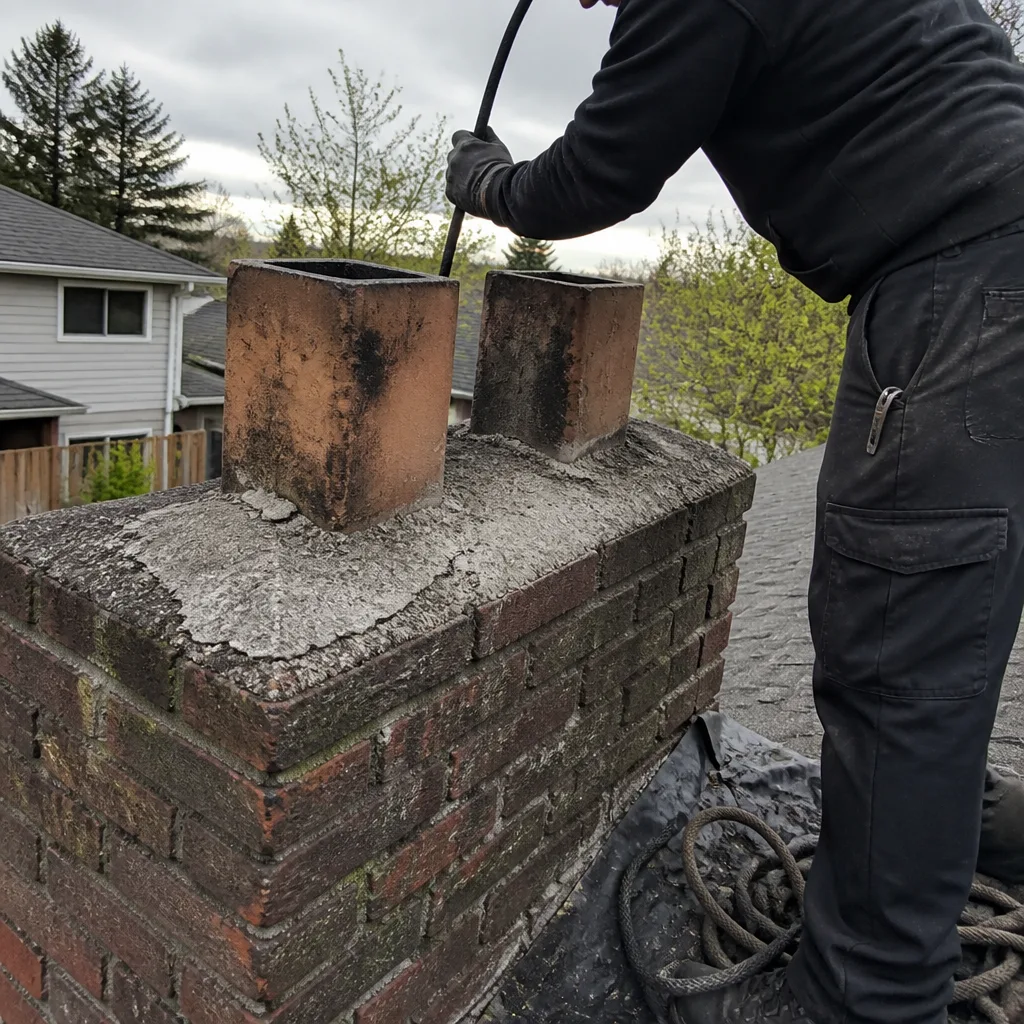 Before
 After
After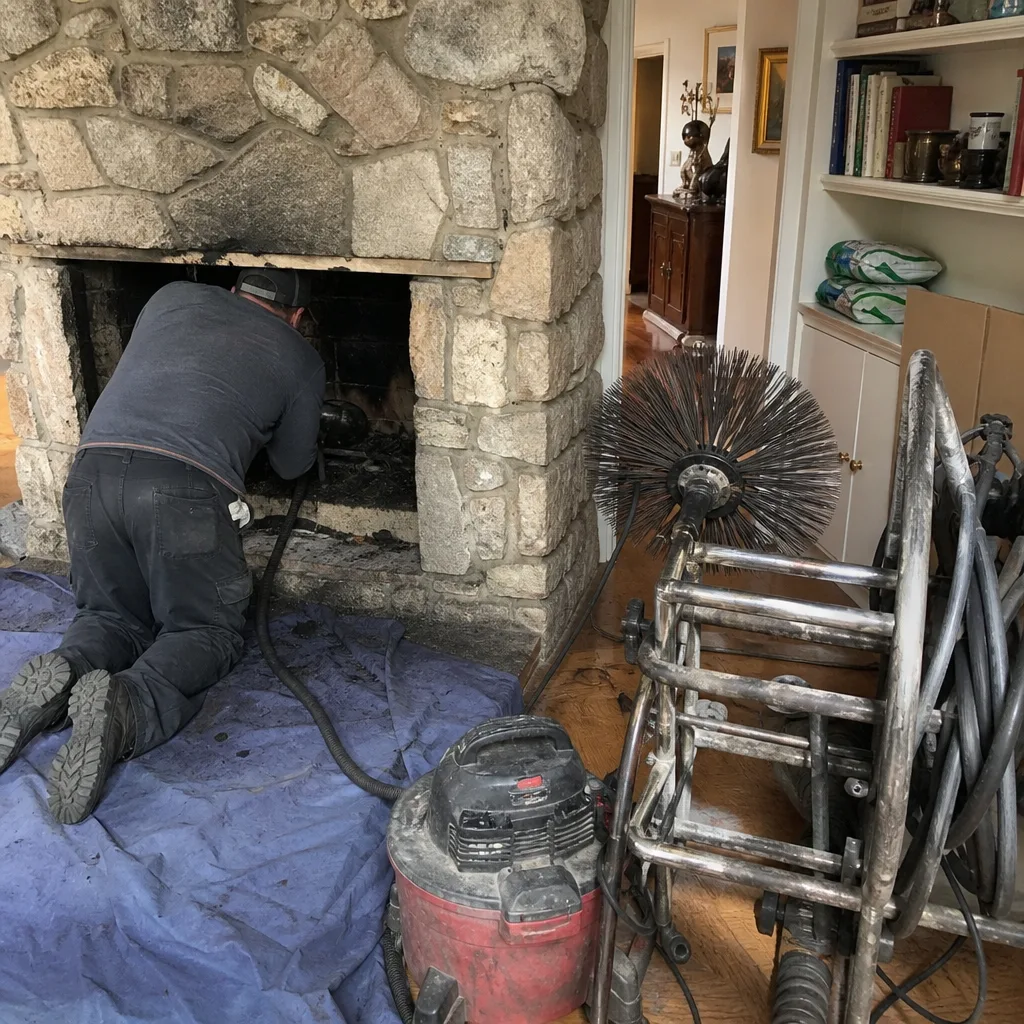 Before
 After
AfterChimney Cleaning & Sweep Maintenance Checklist for Kirkland Homeowners
Most chimney checklists fail because they treat homeowners like junior inspectors. “Look for cracks” is meaningless advice if you don’t know whether the crack is in the crown, the crown wash, or the crown-to-flue joint, and whether that distinction matters for your next fire. In Kirkland, where we see roughly 45 inches of annual rainfall concentrated in winter months, water intrusion patterns follow predictable paths, but only if you know which visual signals separate normal aging from active damage. This guide gives Kirkland homeowners a decision tree, not a to-do list. At each observable condition, you’ll know whether to log it, monitor it, or call for camera documentation before lighting the next fire.
Quick Answer
A proper chimney maintenance checklist for Kirkland homeowners includes four zones: exterior grade-level inspection, interior firebox checks, flue condition assessment from below, and documentation protocols that make year-over-year comparison useful. Three conditions automatically require an NFPA 211 Level 2 camera scan before proceeding: change of ownership, after any chimney fire, or after significant weather events like the windstorms that hit the Puget Sound region each November through February. Everything else on this checklist can be assessed safely from the ground or hearth level without tools.
Table of Contents
- Exterior Grade Inspection: What You Can See Without a Ladder
- Interior Firebox Checks Before the First Fall Fire
- Three Conditions That Automatically Require a Level 2 Camera Scan
- What to Photograph and Keep on File Each Year
- How to Log Sweep Visits for Insurance and Resale
- Kirkland Climate Factors That Accelerate Deterioration
- Annual vs. Seasonal Timing: When to Schedule in King County
- Common Mistakes to Avoid
- When to Call a Professional
- Frequently Asked Questions
 Before
 After
AfterExterior Grade Inspection: What You Can See Without a Ladder
Standing at ground level, you can assess more than most homeowners realize. The key is knowing which patterns indicate active problems versus cosmetic aging. In Kirkland’s Finn Hill, Juanita, and Houghton neighborhoods, we regularly see three exterior conditions that should trigger immediate documentation.
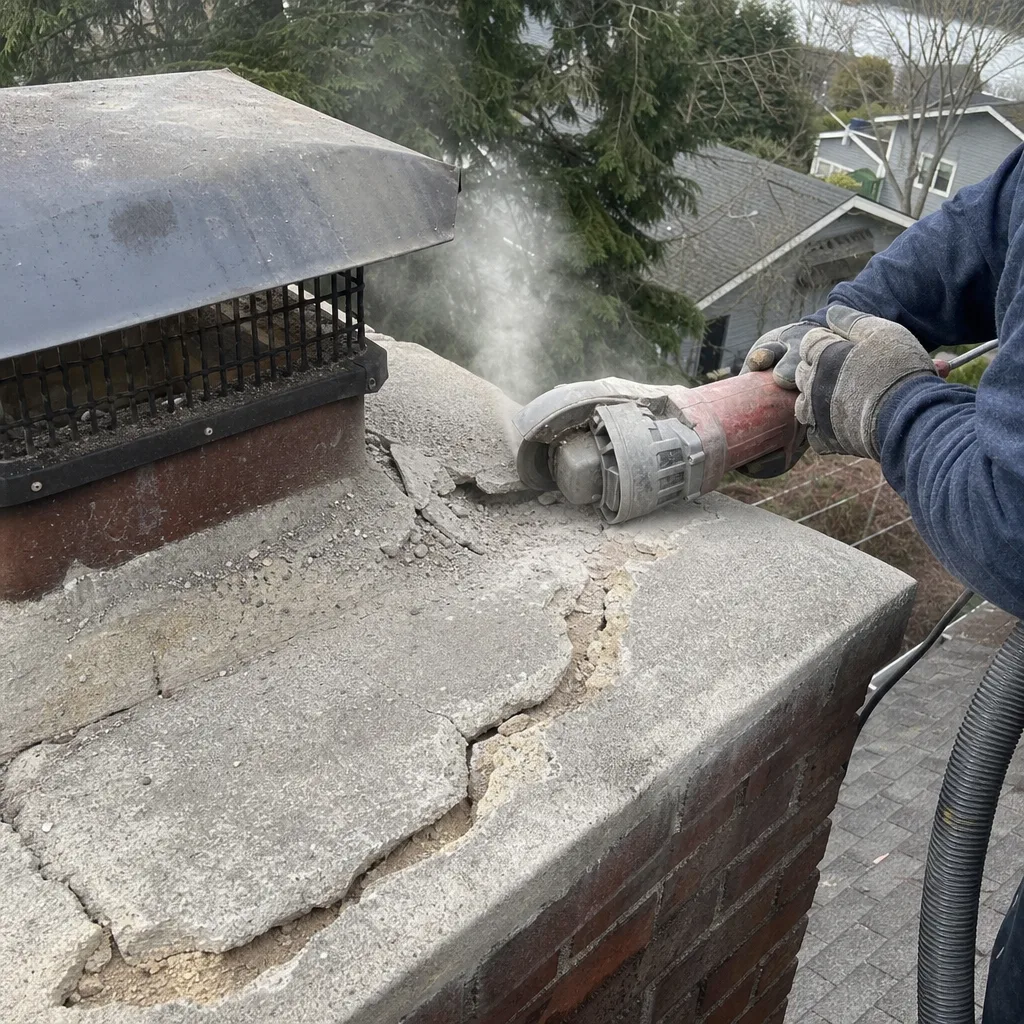
Crown cracking patterns. The crown is the concrete slab that tops your chimney, sloped to shed water. Hairline surface cracks are normal after 5-10 years. What requires attention: cracks that run completely through the crown thickness (you can see daylight or shadow through them), cracks that form a pattern radiating from the flue tile (indicating thermal expansion stress), or cracks with vegetation growing in them (sustained moisture retention). A crown with through-cracks allows water directly into the chimney structure. In our experience inspecting Kirkland homes built during the 1980s construction boom, roughly 60% of crowns in that vintage show thermal pattern cracking that has progressed to through-cracks.
Flashing lift at the step joint. The step flashing is where your chimney penetrates the roofline. From the ground, look for lifted or separated metal at the vertical-to-horizontal transition. Kirkland’s combination of heavy winter rain and summer UV exposure causes sealant failure at this joint faster than inland climates. A lifted step flashing doesn’t always mean active leaking, but it means the primary water barrier has failed and the secondary barrier is carrying the load. Photograph the angle and note whether you can see exposed nail heads or gaps wider than 1/8 inch.
Efflorescence streaks. These white or gray powdery deposits are mineral salts left when water evaporates through masonry. The critical distinction: active efflorescence feels powdery and reappears after rain; old staining is hard, fixed, and doesn’t regenerate. Active efflorescence on a Kirkland chimney typically indicates water is entering from above and migrating through the masonry. We’ve seen this pattern frequently in homes near Lake Washington where wind-driven rain hits chimney faces directly. Log the location (which face, how high from grade) and whether the deposit is above or below the roofline.
Decision tree for each finding:
- Log and monitor: Hairline crown cracks without through-penetration; old, fixed efflorescence; flashing that appears intact but with aged sealant
- Schedule camera inspection this season: Through-cracks in crown; active efflorescence below roofline; lifted flashing with visible gaps
- Delay first fire until documented: Crown pieces missing or displaced; efflorescence accompanied by spalling (flaking) brick faces; any leaning or separation from the structure
Interior Firebox Checks Before the First Fall Fire
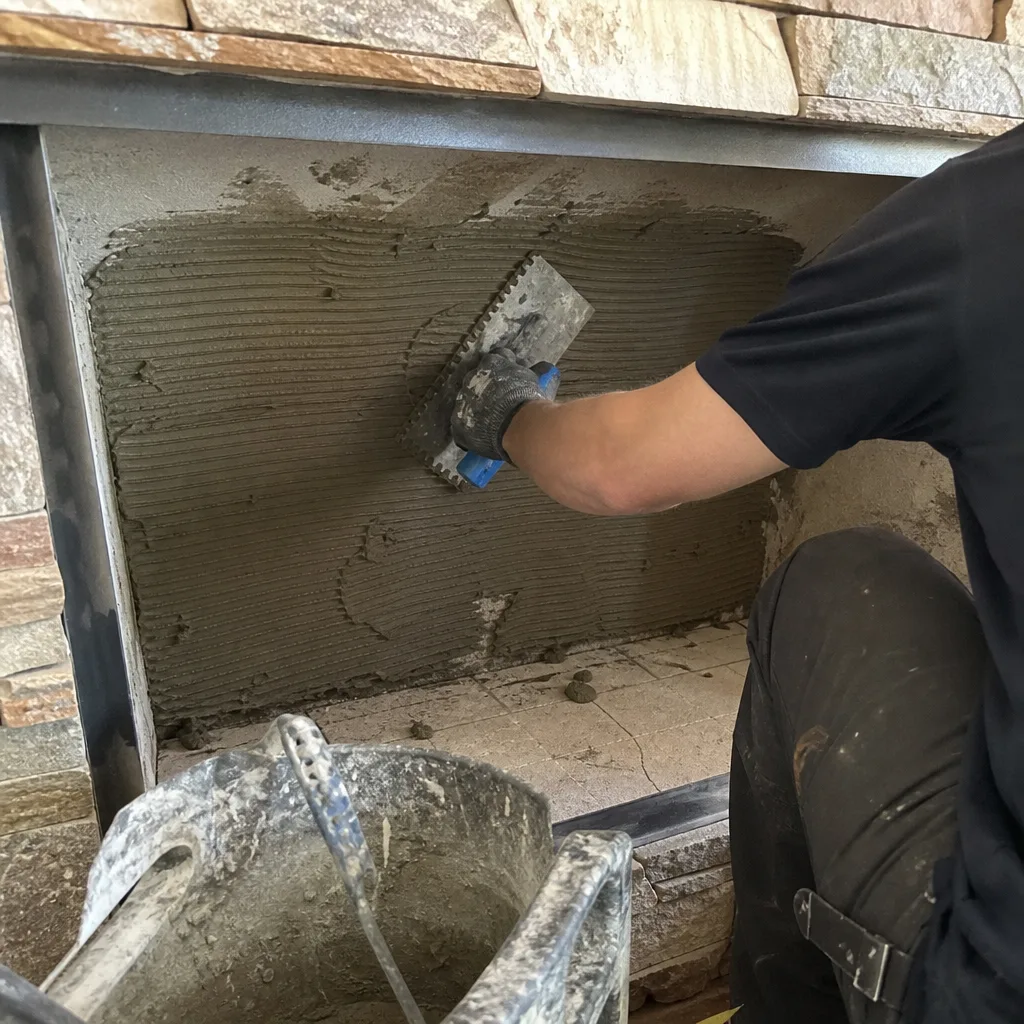
The firebox is where you can observe conditions that directly affect combustion safety. These checks take ten minutes and require only a flashlight and your nose.
Smoke shelf deposits. The smoke shelf is the flat area behind the damper, designed to catch downdrafts and debris. Shine your flashlight up past the damper. A thin layer of soot is normal. What requires attention: accumulation deeper than 1/4 inch, glossy or tar-like deposits (indicating Class II or III creosote), or debris from animal nesting. In Kirkland, where many homes sit near greenbelts in neighborhoods like Kingsgate and Bridle Trails, we see smoke shelf debris from squirrels and raccoons entering uncapped flues - one of several Chimney Cleaning Warning Signs: A Kirkland Homeowner’s Reference Guide. If you see nesting material, don’t remove it yourself. Disturbing animal debris can expose you to histoplasmosis or roundworm parasites. This is a call-for-documentation item.
Damper blade condition. Open and close the damper fully. It should move smoothly without grinding or catching. Look at the blade edges: they should seat cleanly against the frame when closed, with no visible gaps wider than a pencil line. Rust scaling on the blade surface reduces the seal and indicates moisture has been entering from above. In our Kirkland inspections, damper rust is the most commonly overlooked pre-fire check, yet a failed damper seal can allow conditioned air to escape year-round and can prevent proper draft control during a fire.
The smell test that distinguishes mold from creosote. Mold in a chimney system smells musty, earthy, like wet cardboard. Creosote residue smells sharp, chemical, like asphalt or railroad ties. This distinction matters because mold indicates sustained water intrusion and possible liner damage; creosote indicates combustion byproduct accumulation that may be normal or may indicate improper burning practices. Both require different responses. Mold smell plus visible staining on firebox walls means water is getting in and the liner needs camera assessment. Sharp creosote smell without visible heavy buildup may simply mean the flue needs its annual sweep.
Interior decision tree:
- Open damper, inspect smoke shelf with flashlight. Note depth and character of deposits.
- Cycle damper through full range. Note smoothness of operation and blade condition.
- Smell test: musty (mold/water) versus sharp/chemical (creosote).
- Photograph any finding that falls outside “thin soot, smooth damper, neutral smell.”
Three Conditions That Automatically Require a Level 2 Camera Scan
NFPA 211 defines three conditions where a Level 1 visual inspection is insufficient and a Level 2 inspection with internal camera is mandatory. These aren’t suggestions; they’re the standard that insurance adjusters and home inspectors reference when disputes arise. Chimney Cleaning & Sweep in Kirkland follows this protocol on every qualifying call.
Change of ownership. When you buy a home in Kirkland, the chimney condition at closing becomes your financial and safety responsibility. A Level 1 inspection examines readily accessible portions. It cannot assess flue liner integrity below the smoke shelf or identify hidden spalling in the flue tiles. We’ve documented liner gaps and deteriorated mortar joints in Kirkland homes that passed standard home inspections because the home inspector performed only a Level 1 visual from the roof or hearth level. Clause 4 of the Haven Standard requires a photo record on every job, and for new homeowners, this documentation becomes part of your property record.
After any chimney fire. A chimney fire can reach 2,000 degrees Fahrenheit, sufficient to crack clay flue tiles, damage stainless steel liners, and compromise mortar joints. The damage may not be visible from either end of the flue. We’ve inspected Kirkland chimneys where homeowners reported “a small chimney fire last winter” and found liner segments completely detached, creating a direct path for combustion gases into wall cavities. After any suspected chimney fire, even one that self-extinguished, a Level 2 camera scan is non-negotiable before the next use.
After significant weather events. The Puget Sound windstorms that peak November through February can damage chimney structures through falling limbs, wind-driven debris, or structural stress from gust loading. The 2022 December windstorm that affected Kirkland and surrounding King County communities caused chimney damage we documented for months afterward. Earthquake activity, though less frequent, also qualifies. Any seismic event rated 4.0 or higher on the Richter scale within your county triggers the Level 2 requirement.
These three conditions share a common feature: they involve forces that can create hidden damage in locations no visual inspection can reach. The camera scan documents what exists, not what we assume.
What to Photograph and Keep on File Each Year
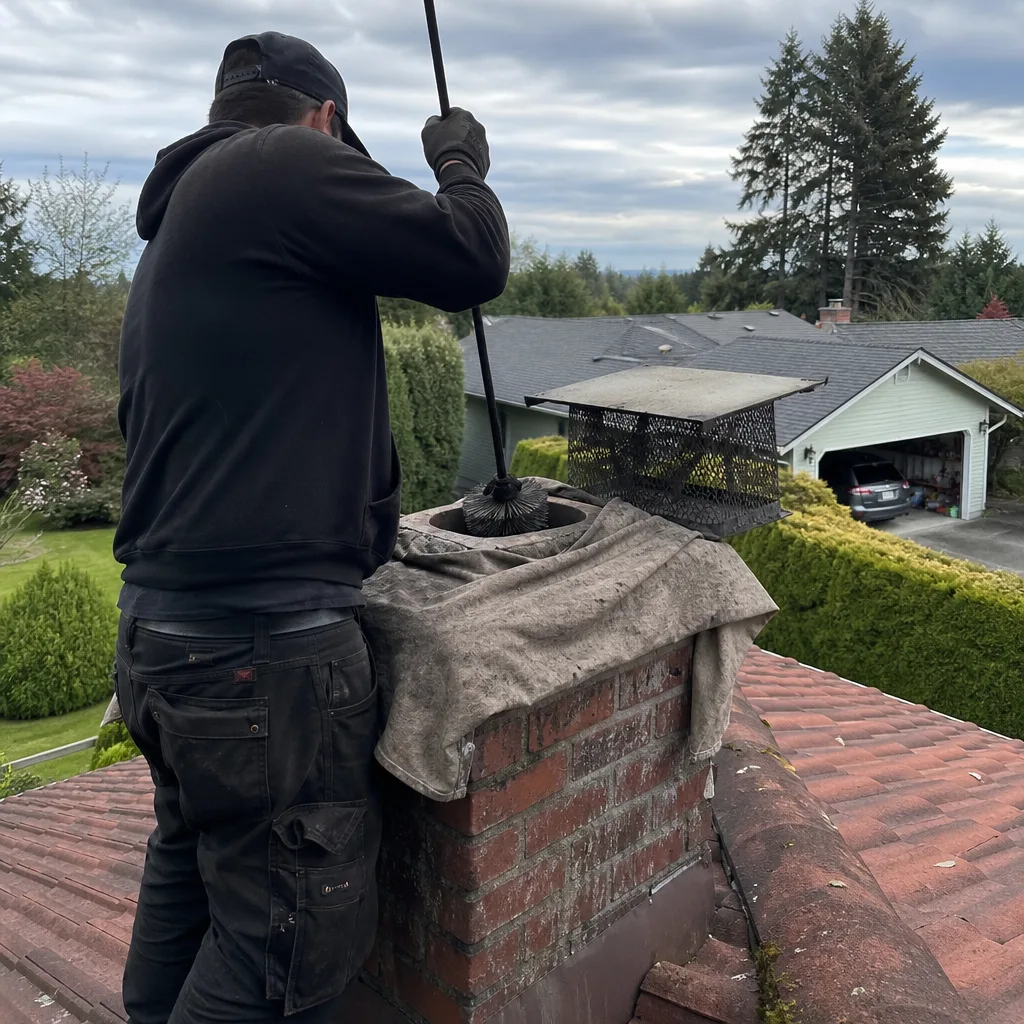
Year-over-year comparison only works if your photographs share reference points. Random snapshots are decorative; documented angles are diagnostic tools. Here’s the protocol we recommend to Kirkland homeowners who want to build their own chimney history file.
Exterior reference set (4 photographs minimum):
- Full chimney from grade, wide angle. Include the roofline context. This establishes lean, separation, and overall proportion.
- Crown close-up from the best ground vantage. Use optical zoom, not digital. Capture the full surface including the flue tile projection.
- Flashing detail at the step joint. If ground angle is poor, photograph from an upper window. Include roof context for scale.
- Base condition and any efflorescence. Include a fixed reference point like a window frame or downspout for location memory.
Interior reference set (3 photographs minimum):
- Firebox full view with damper open. Capture sidewalls, back wall, and hearth condition.
- Smoke shelf with flashlight illumination. This is the hardest shot; rest your phone against the damper frame for stability.
- Damper blade in closed position. Shows seal condition and blade integrity.
File naming convention: [Date]_[Address]_[Location]_[Condition]. Example: 2024-10-15_12345NE85th_ExteriorCrown_HairlineCracks. Store in a dedicated folder, not mixed with general home photos. When you hire Level Two Chimney Kirkland home services, our documented photo record under Haven Standard Clause 4 integrates with your personal file, giving you complete chain of custody.
The value of this practice becomes clear at resale. King County buyers increasingly request chimney inspection records. A seller with dated photographs showing stable conditions over 5-10 years, plus professional documentation, commands credibility that a single recent inspection cannot match.
How to Log Sweep Visits for Insurance and Resale
A receipt stapled to nothing is useless. A proper sweep log entry contains specific elements that insurers, adjusters, and buyers recognize as credible documentation.
Required elements of each log entry:
- Service date and technician name or license number. Not “Tech #3” - a named individual or verifiable credential.
- Scope of work performed. “Chimney sweep” is insufficient. Specify: sweep of flue from hearth to crown, inspection of firebox, smoke chamber, damper, and accessible exterior components.
- Findings in plain language. “No defects observed” or specific conditions noted with locations.
- Photo record confirmation. Note whether visual documentation was provided and where it’s stored.
- Written price and warranty. The amount paid and any guarantee terms.
- Recommended next service date. Based on use frequency and fuel type, not a generic annual reminder.
For Kirkland homeowners with wood-burning fireplaces used as primary supplemental heat (3-4 fires weekly October through March), our Chimney Cleaning & Sweep services recommend annual sweeping as the minimum. Occasional users (holiday and weekend fires) may extend to every two years if the previous inspection showed minimal creosote accumulation. But the log entry must justify the interval, not assume it.
Insurance relevance: some homeowner policies in Washington state now include chimney maintenance clauses that affect coverage for fire-related claims. A documented maintenance history with professional photo records satisfies these requirements more reliably than self-reported “annual cleaning” without specifics. Fireplace Services in Kirkland can advise on policy-specific documentation needs.
Kirkland Climate Factors That Accelerate Deterioration
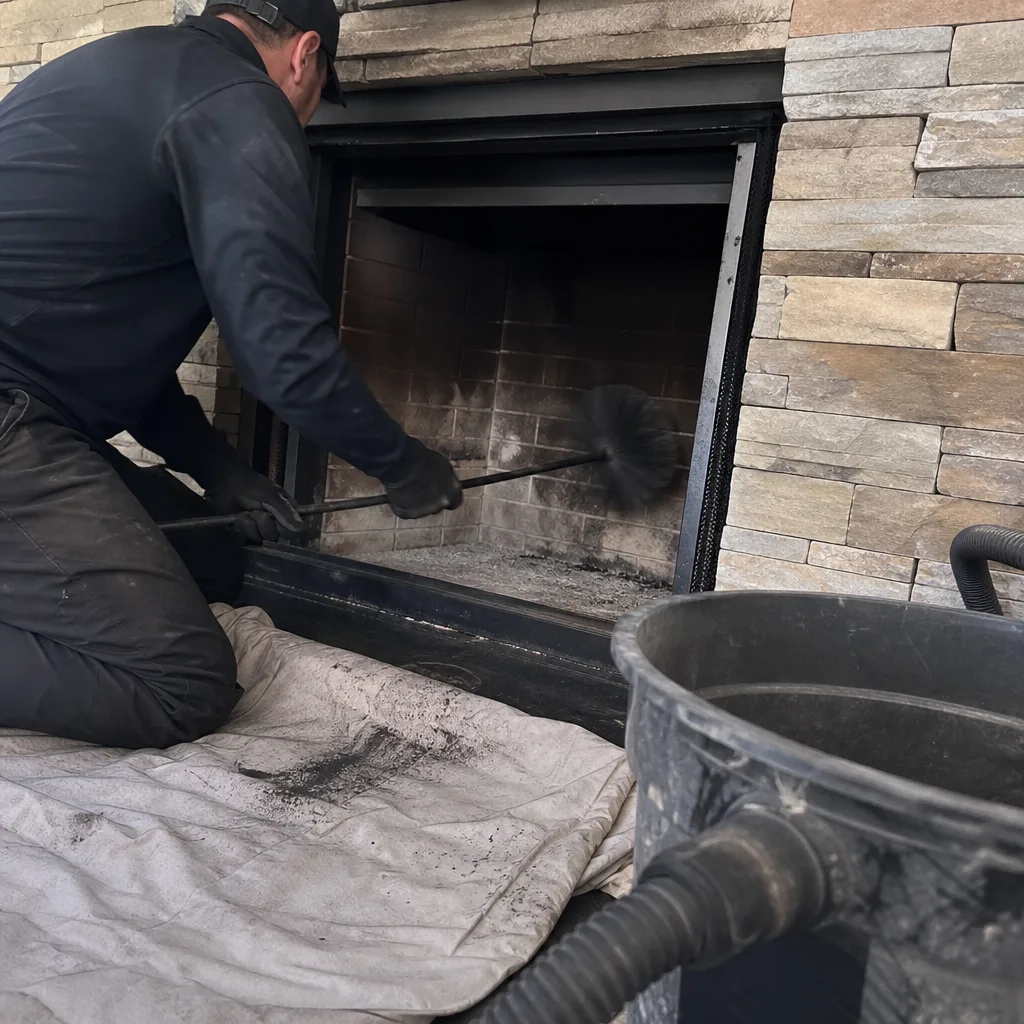
Kirkland’s location on the eastern shore of Lake Washington creates microclimates that affect chimney durability differently than inland King County locations. Understanding these factors helps interpret your checklist findings.
Wind-driven rain exposure. Chimneys on homes with western or southwestern exposures, particularly in waterfront neighborhoods like Lakeview and Yarrow Point, receive direct rain impact that accelerates crown and wash deterioration. We’ve replaced crowns in these areas at 12-15 year intervals versus 20-25 years for protected inland locations. When your checklist shows accelerated exterior wear, exposure explains it.
Thermal cycling. Kirkland’s winter temperatures rarely stay below freezing for extended periods, but the freeze-thaw cycles that do occur concentrate damage. Water enters micro-cracks, expands on freezing, and widens the crack. This process is most active in late fall and early spring when temperatures cross the freezing point repeatedly. Crown cracks documented in October often show measurable widening by April.
Vegetation debris. The mature Douglas fir and western red cedar canopy in neighborhoods like Rose Hill and North Juanita produces needles and small branches that accumulate on chimney caps and in flues. This debris holds moisture against metal components and can block proper draft. Our sweep calls from these areas spike in October after the first windstorms of the season deposit summer accumulation.
Earthquake risk. Kirkland sits within the Puget Lowland seismic zone. While major events are infrequent, the 2001 Nisqually earthquake caused chimney damage throughout King County that went unreported for years. Any chimney with pre-existing mortar joint deterioration is more vulnerable to incremental damage from minor seismic events that residents may not even feel.
Annual vs. Seasonal Timing: When to Schedule in King County
Timing affects both availability and what your inspection can predict. Here’s how to schedule around Kirkland’s actual patterns.
Optimal inspection window: August through early October. This positions your sweep before the first fall fire and before the October-November rush that strains every sweep company’s schedule in King County. It also allows time to complete any recommended repairs before weather closes the exterior work window.
Post-storm assessment: within 30 days of significant wind or seismic event. Don’t wait for your annual cycle if a qualifying event occurs. The damage patterns from wind loading and impact are progressive; early documentation preserves evidence for insurance claims and prevents secondary water damage.
Pre-listing inspection: 60-90 days before market date. This allows repair completion and documentation integration before buyer inspections begin. In Kirkland’s competitive market, a pre-documented chimney condition reduces a common negotiation point.
What to avoid: scheduling during active burning season (November through February) unless you’ve experienced a qualifying event. Emergency calls during this period face premium pricing and limited availability everywhere in the region. The checklist is designed to prevent emergency situations through systematic observation.
Common Mistakes to Avoid
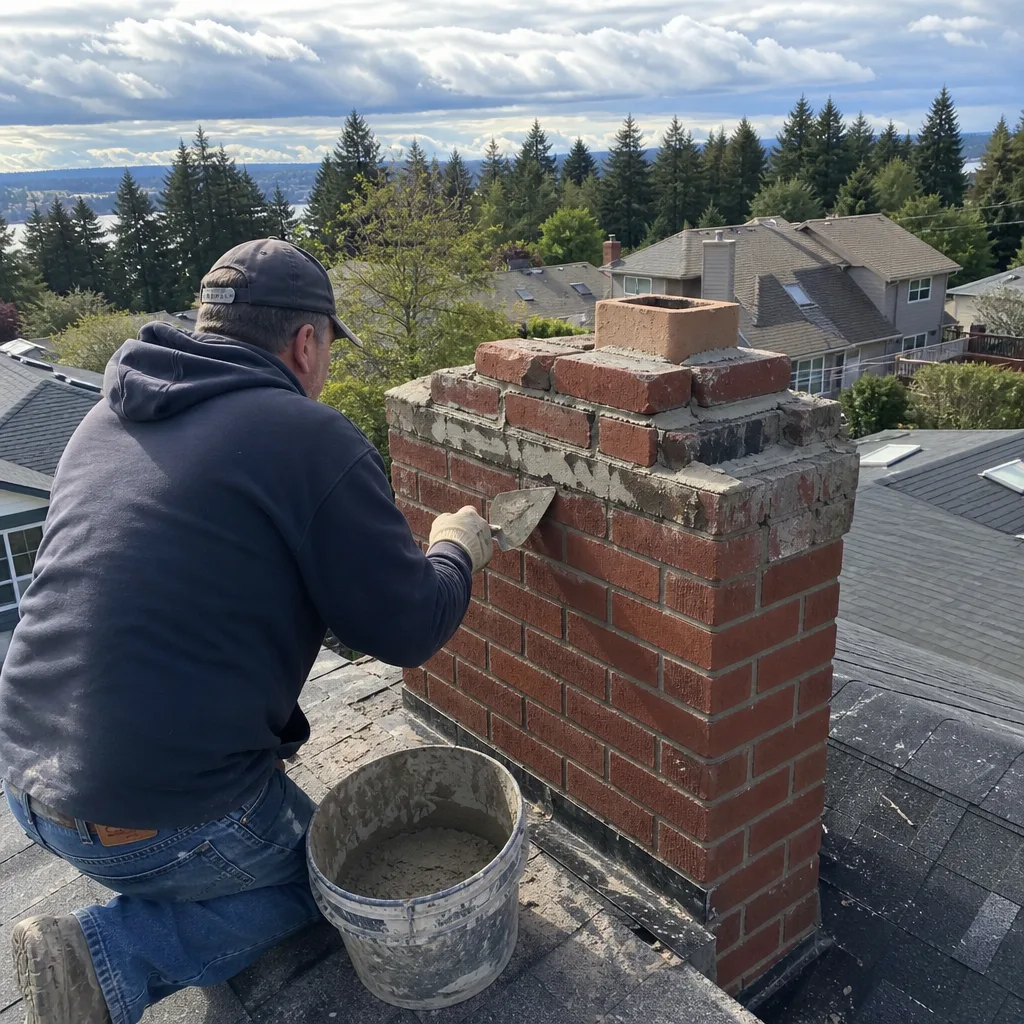
- Assuming a clean firebox means a clean flue. The firebox is the most accessible and most frequently cleaned area. Creosote accumulation concentrates in the upper flue and smoke chamber where temperatures are lower and flow is slower. A clean firebox reveals nothing about flue condition.
- Interpreting any crack as emergency. Hairline surface cracks in crown wash are normal aging. Through-cracks with water penetration are the concern. Over-reacting to minor cracking wastes money; under-reacting to structural cracks risks safety. The decision tree in this guide distinguishes them.
- Using the wrong fuel as a “cleaner” shortcut. Some Kirkland homeowners burn cardboard, wrapping paper, or “fire starter” logs exclusively, believing they reduce creosote. These materials often burn too fast, too hot, or with incomplete combustion that actually increases flammable deposit formation. Burn only seasoned hardwood per appliance specifications.
- Neglecting the cap. A missing or damaged cap is the single most preventable cause of water intrusion and animal entry. It’s also the cheapest component to replace. Yet we estimate 30% of Kirkland chimneys we inspect have compromised caps that the homeowner noticed but deferred.
- Storing firewood against the chimney structure. This accelerates moisture retention in exterior masonry and creates termite and carpenter ant pathways. Keep firewood 18 inches minimum from chimney faces and 6 inches off grade.
- Relying solely on carbon monoxide detectors for chimney safety. Detectors are essential backup devices, but they alarm after CO is present. They do not prevent liner failure, blockages, or draft problems that create the hazard. The checklist catches conditions before they become detector events.
When to Call a Professional
Call for documented camera inspection when your checklist reveals: through-cracks in the crown, active efflorescence with spalling, lifted flashing with visible gaps, smoke shelf deposits deeper than 1/4 inch or with glossy/tar-like character, damper rust with blade deterioration, musty mold smell with wall staining, or any of the three automatic Level 2 conditions (change of ownership, post-fire, post-storm).
Level Two Chimney Kirkland offers free estimates in Kirkland. Every estimate includes a written price, written scope, and written warranty before any work begins, per Haven Standard Clause 1. Our background-checked, uniformed technicians arrive with license information, a named assignment, and text notification when en route. Camera-scan documentation and photo records are included as standard under Clause 4, running continuously since 2009. Call (425) 642-3485 to schedule.
Frequently Asked Questions
A standard chimney sweep and Level 1 inspection in Kirkland typically ranges from $199 to $289 for a single-flue system, depending on roof access difficulty and creosote accumulation level. Level 2 camera inspections run $349 to $495, which includes the full sweep, internal video documentation, and written report with photo record. We deliver a written price before any work starts, with no variation after arrival. Call (425) 642-3485 for an exact quote - estimates are free.
You need a new liner when camera documentation shows deterioration that compromises containment of combustion gases, or when your appliance type requires a liner material your current system lacks. We recommend nothing without camera evidence you can see yourself. In Kirkland’s older homes, particularly those built 1960-1990 with unlined brick chimneys or original clay tile liners, we often find tile displacement or mortar joint loss that warrants replacement. But “worn” or “old” alone is not justification. The camera shows the condition; you decide based on evidence.
For wood-burning fireplaces used regularly (3+ fires weekly during heating season), annual sweeping is the NFPA 211 standard. Occasional users may extend to every two years with a clean inspection record. Gas fireplaces require less frequent service but still need annual inspection of valves, logs, and venting. The specific interval depends on fuel type, appliance efficiency, and burn practices, not calendar convenience. Your sweep log should justify the interval with documented findings.
Skipped maintenance leads to progressive creosote accumulation, which is combustible and can fuel chimney fires reaching 2,000+ degrees. It also allows water intrusion to deteriorate liners and masonry, creating paths for carbon monoxide and combustion gases into living spaces. In Kirkland’s wet climate, the water damage progression is faster than drier regions. The cost of deferred maintenance typically exceeds preventive care by multiples: a $250 sweep versus $3,000-$8,000 liner replacement, or worse, property loss and injury. Call (425) 642-3485 if you’re behind schedule - we’ll assess without judgment and give you a written plan.
A sweep removes combustible deposits from the flue and accessible smoke chamber. An inspection evaluates system condition against safety standards. They’re related but distinct services. NFPA 211 defines three inspection levels: Level 1 (visual, accessible areas), Level 2 (camera-assisted, required for the three conditions noted in this guide), and Level 3 (destructive investigation, rare). At Level Two Chimney Kirkland, every sweep includes at minimum a Level 1 inspection; we upgrade to Level 2 camera documentation when conditions warrant, with your approval and a written price before proceeding.
Chimney sweeping involves working at height, handling fiberglass rods that can damage flue tiles if misused, and properly evaluating what the brush retrieves. For Kirkland homeowners with single-story structures, proper equipment, and comfort with roof work, DIY sweeping is physically possible but rarely advisable. You cannot perform a Level 2 camera inspection yourself, and without it, you’re cleaning blind. More critically, the evaluation of creosote class (which determines whether chemical treatment is needed) requires training. We provide free second opinions on any written estimate if cost is the concern - call (425) 642-3485.
The Bottom Line
A useful chimney checklist is a decision tool, not a vague reminder. For more guides & resources, see our blog. For Kirkland homeowners, the critical distinctions are: exterior cracks that penetrate versus surface, efflorescence that’s active versus historical, and smells that indicate water intrusion versus combustion residue. Photograph specific reference angles annually. Log every professional visit with scope, findings, and documentation confirmation. And know the three conditions that automatically require camera inspection: change of ownership, after any fire, after significant weather. The 38,000+ chimneys we’ve inspected and cleaned since 2009 taught us that homeowners who maintain systematic records catch problems at the $250 stage, not the $5,000 stage. That’s the purpose of this checklist.
Written by Corrine Halstead, Owner at Level Two Chimney Kirkland, serving Kirkland since 2009.