
Last updated September 22, 2026
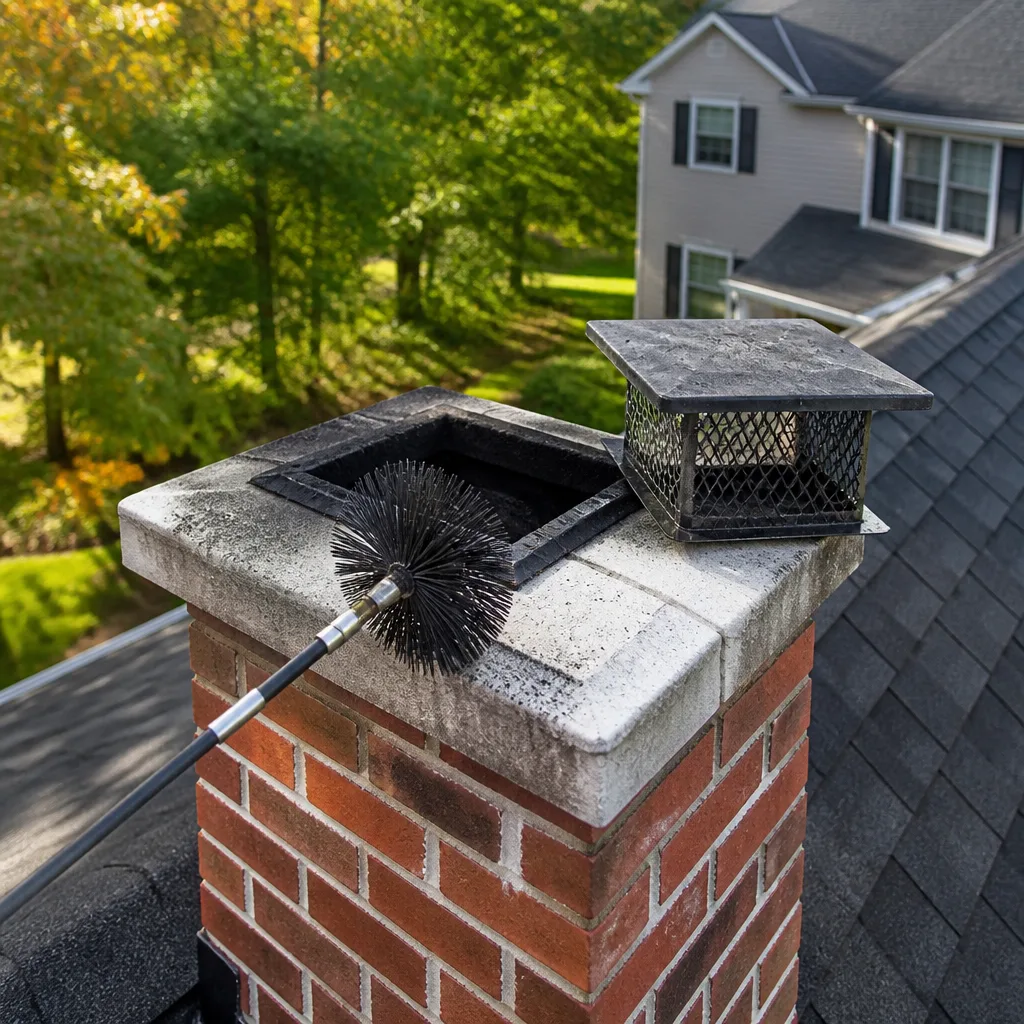
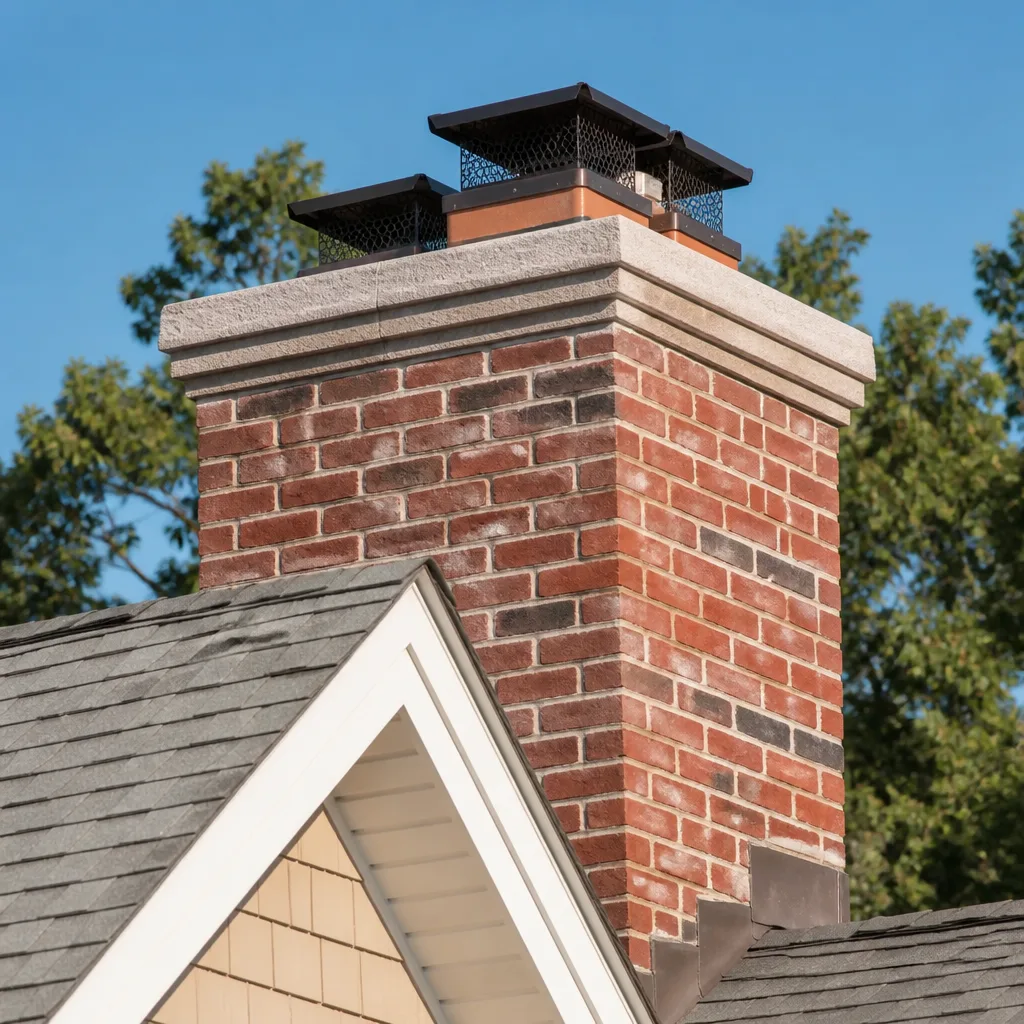
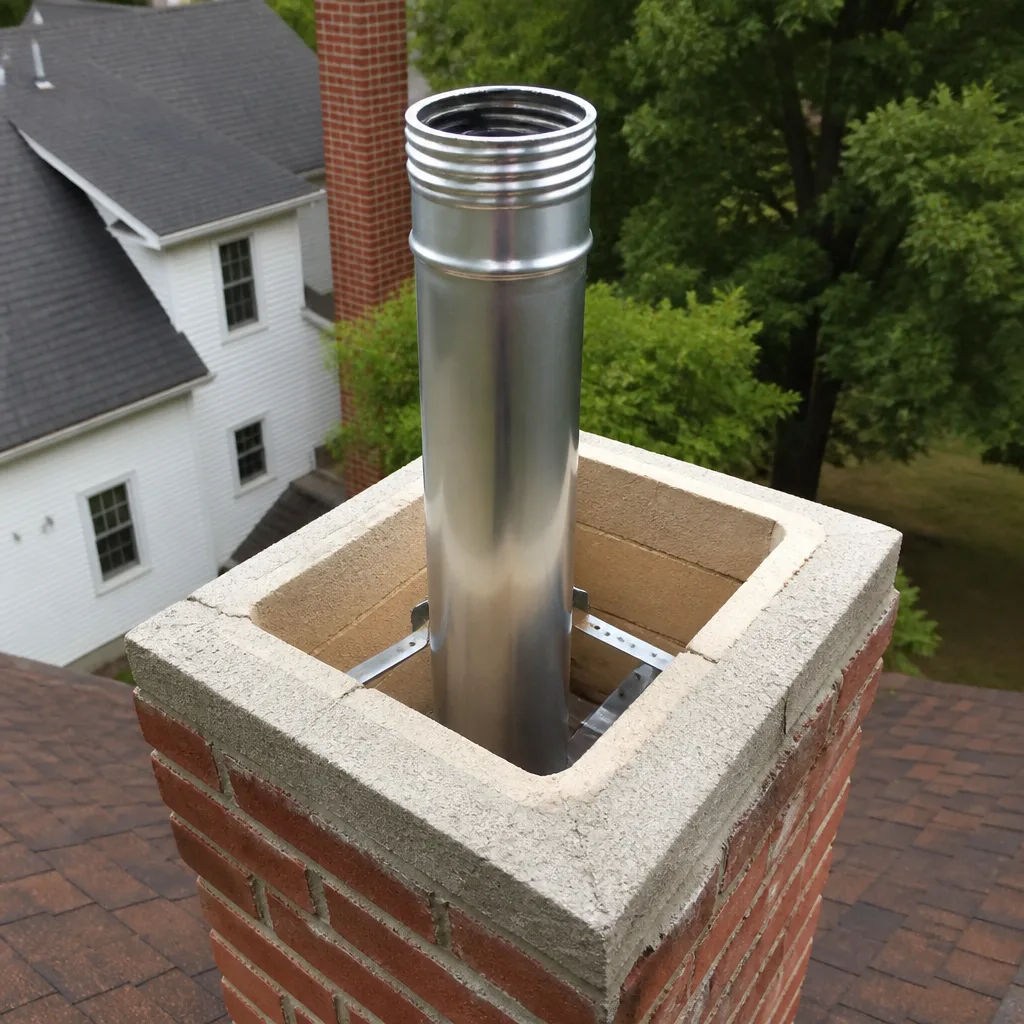
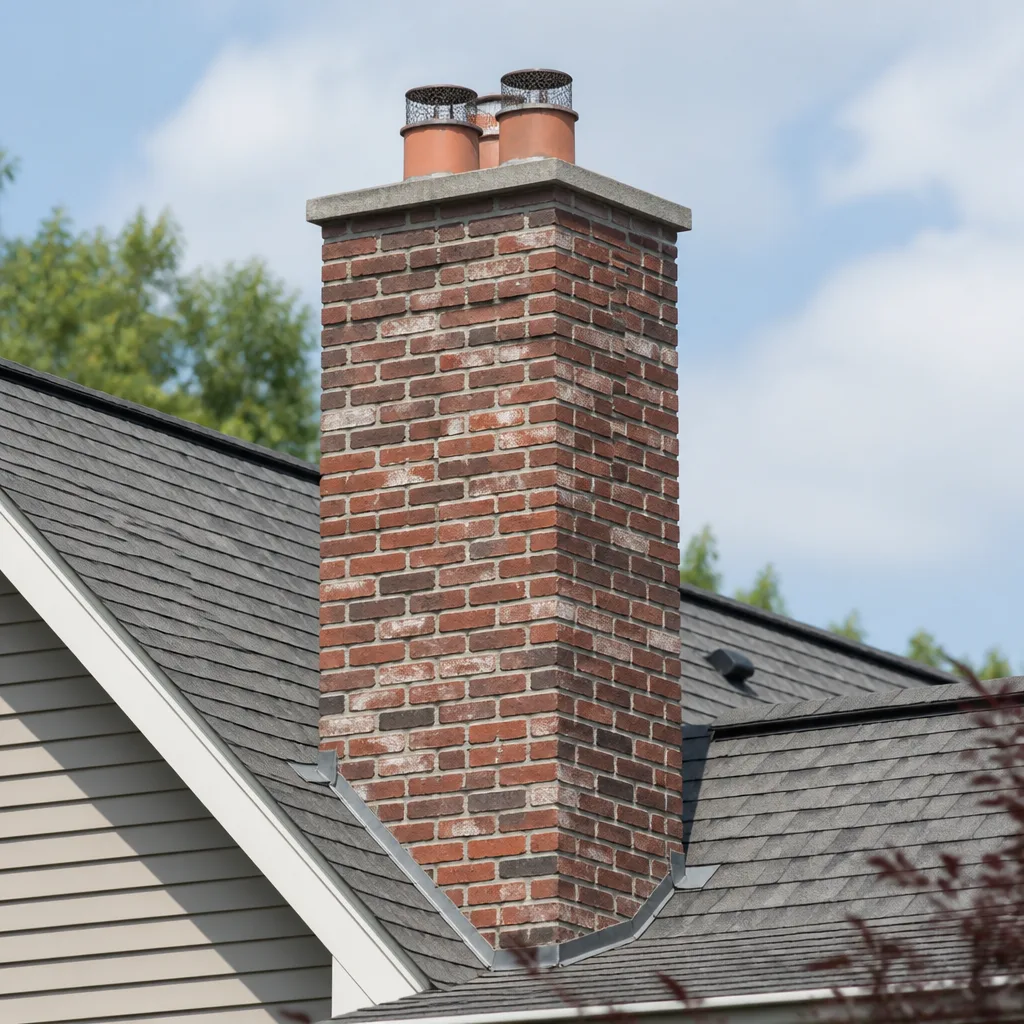
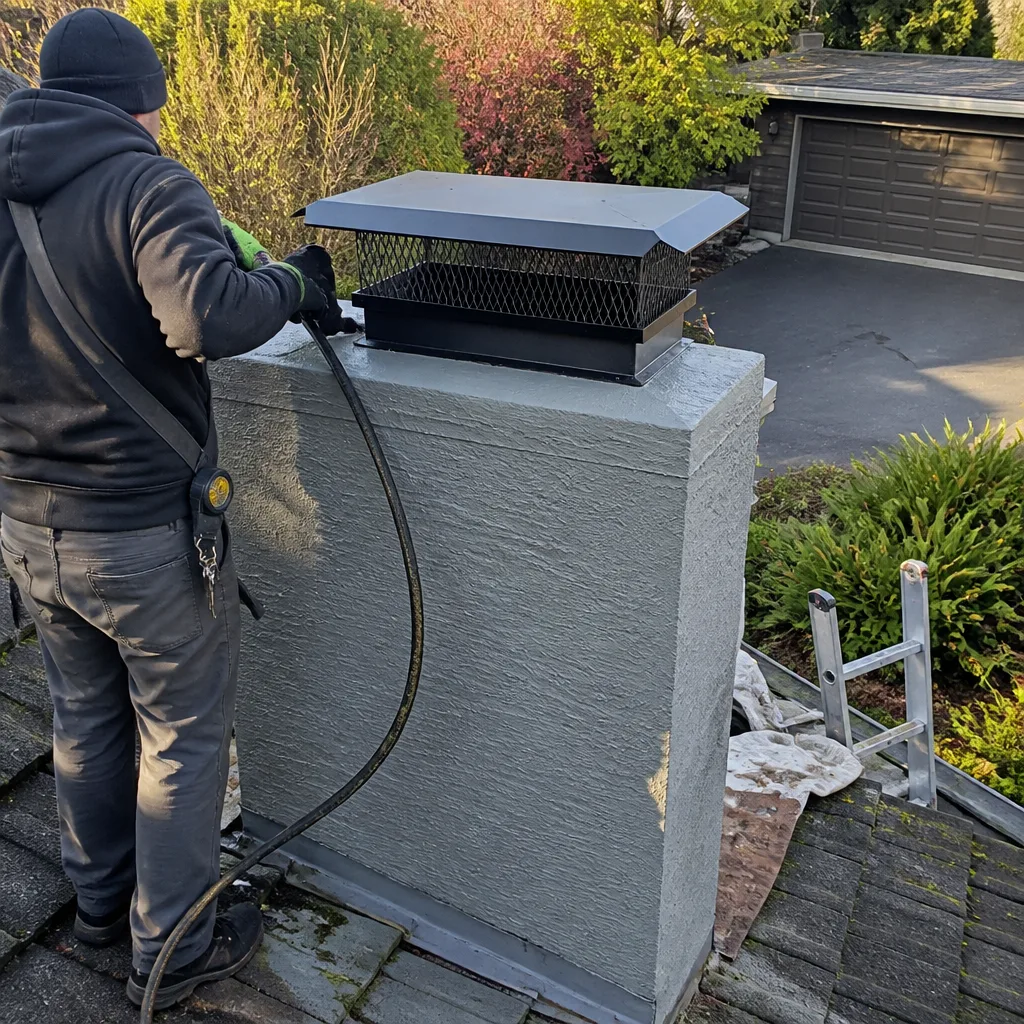
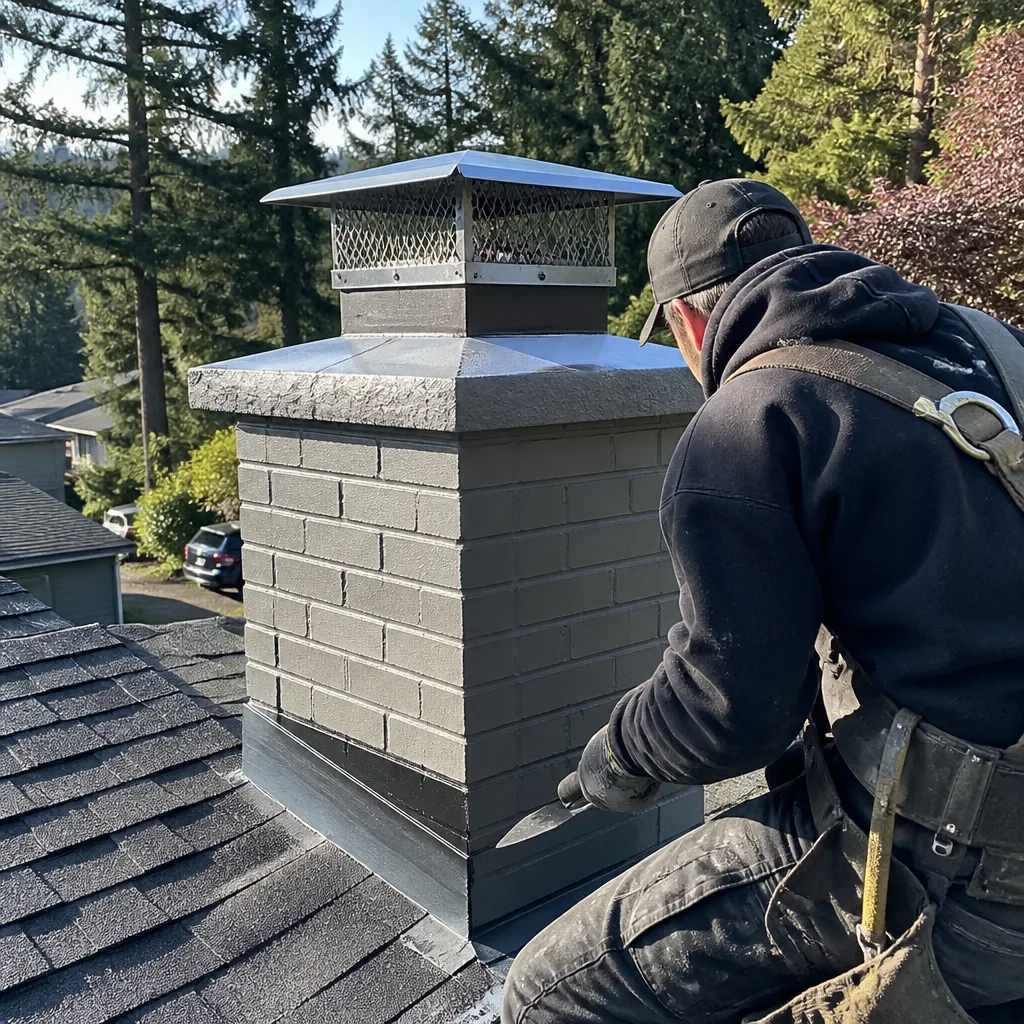
Level 1 sweep and inspection to the NFPA 211 annual standard - flue, crown, cap, and flashing checked and photographed
Chimney sweep logs do not sweep chimneys. They loosen some creosote - which then falls where a brush and vacuum still have to collect it.
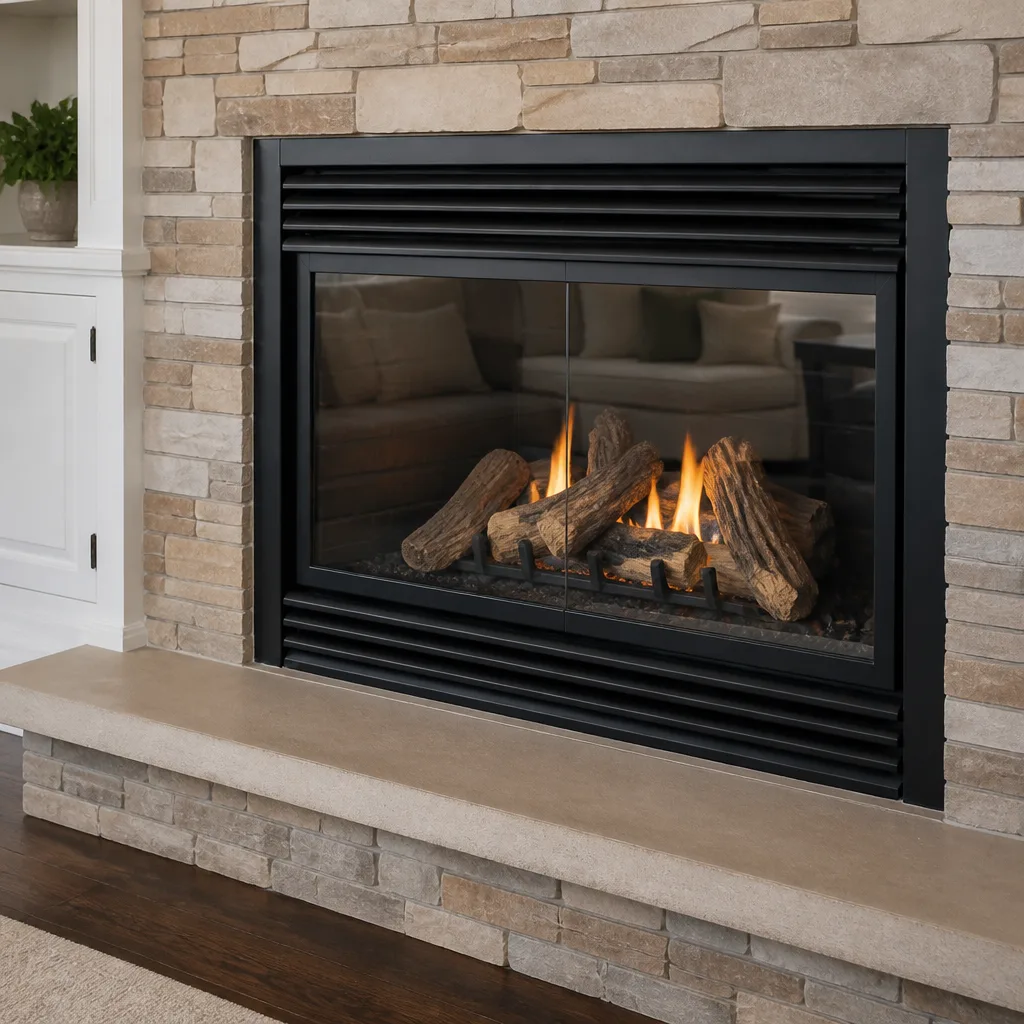
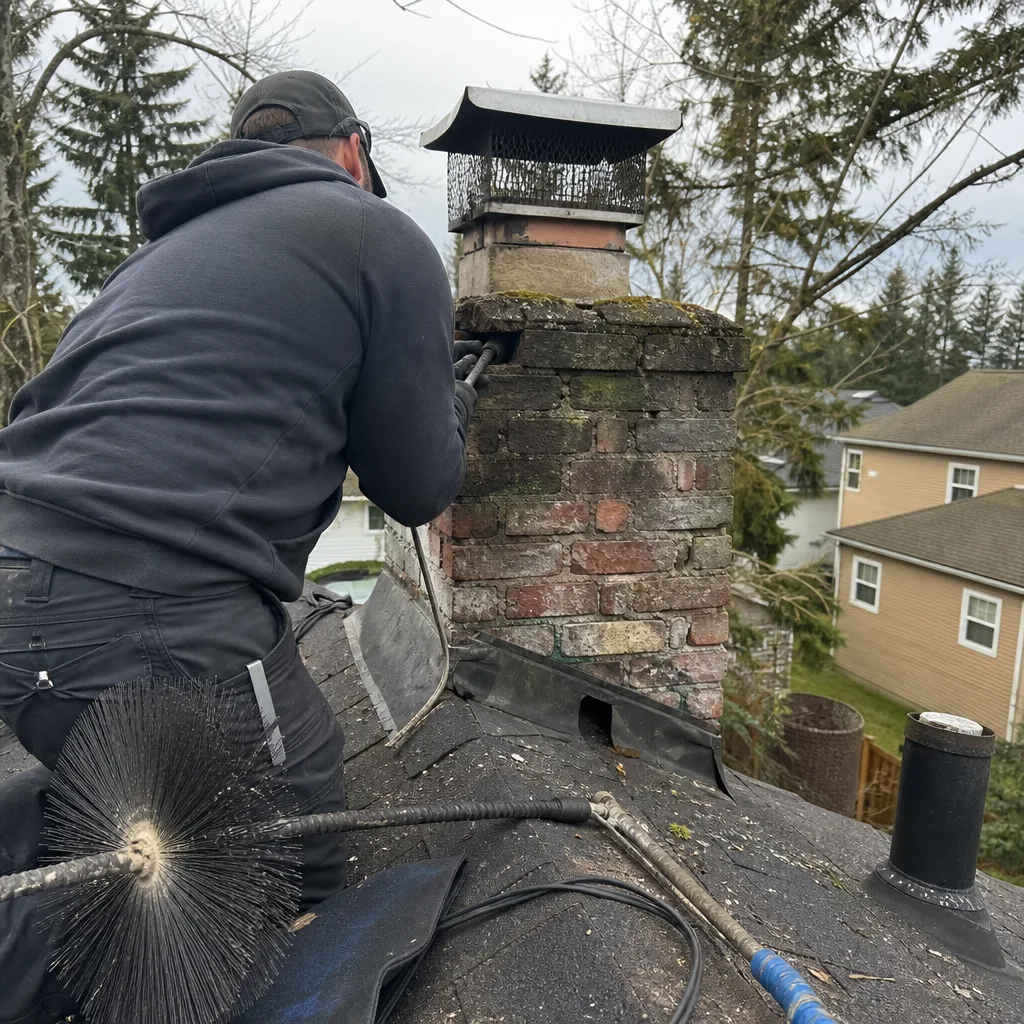 Before
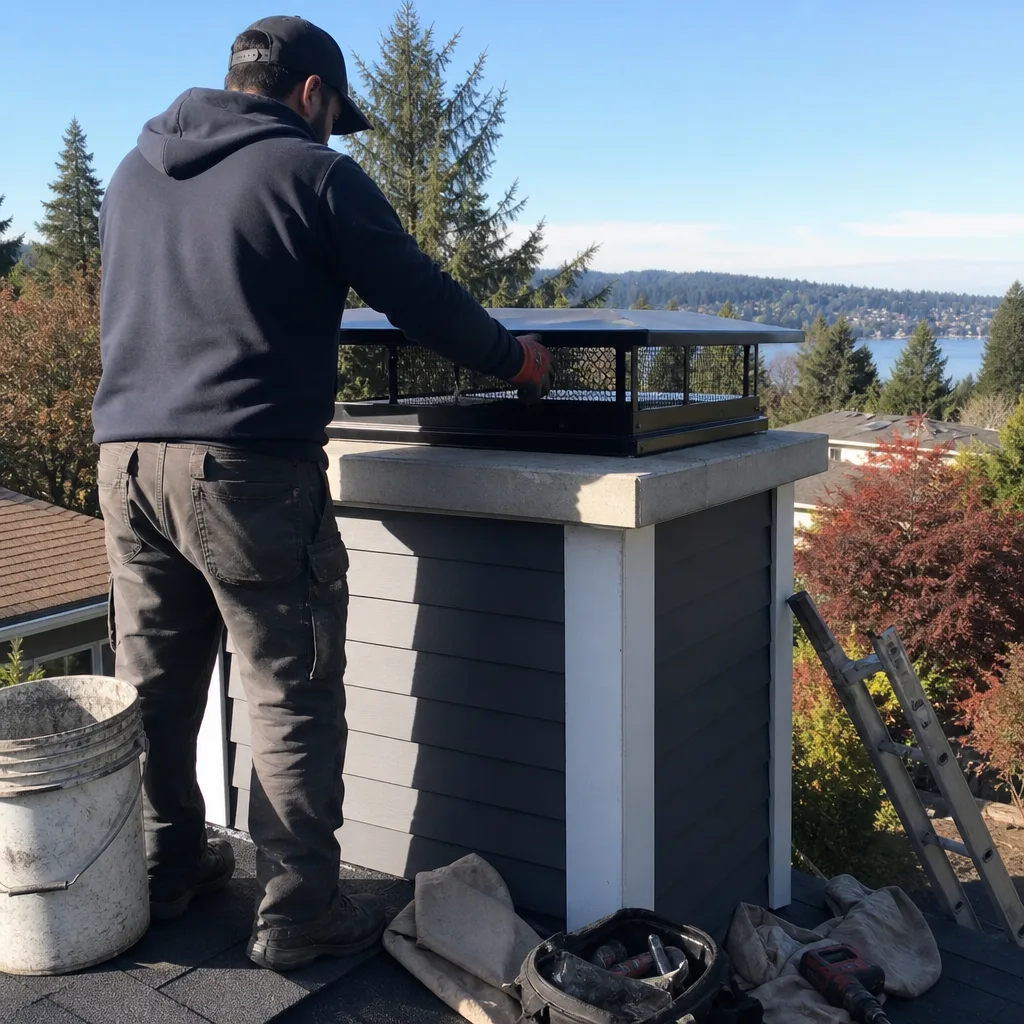 After
After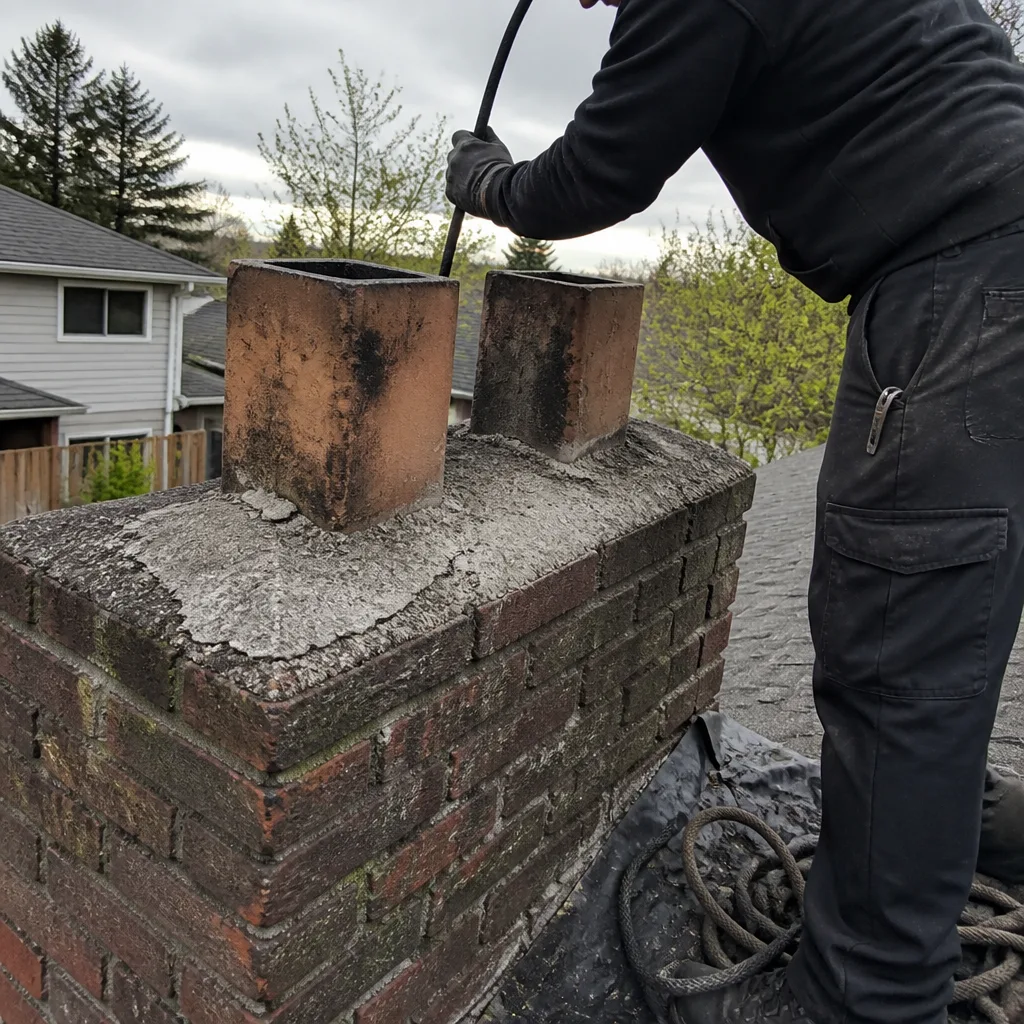 Before
 After
After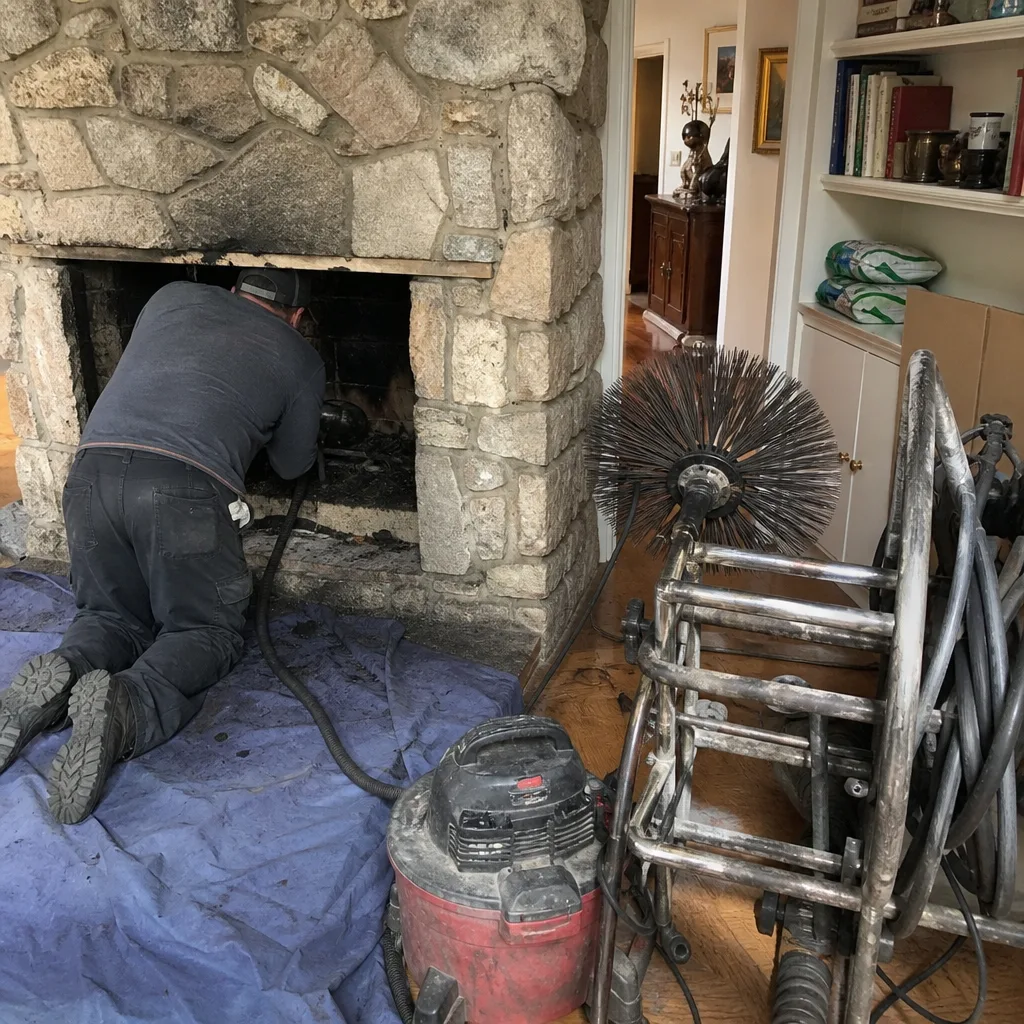 Before
 After
AfterSeasonal Chimney Cleaning Care for Kirkland: Year-Round Homeowner’s Guide
National guides say clean your chimney in late summer before heating season. In Kirkland, that advice ignores nine months of coastal moisture that has already been working on your liner since March. Our 38,000+ inspections since 2009 show a clear pattern: the chimneys we scan in October reveal damage that began in April, not September. This guide corrects the calendar. You’ll learn why Kirkland’s rainfall profile changes everything about timing, what the marine environment does to different liner materials, and which months actually trigger a professional camera scan regardless of how clean your fireplace looks.
Quick Answer
Kirkland homeowners should schedule a professional chimney sweep and camera inspection in early September, before the October-November creosote peak, with a secondary check in March to assess moisture damage accumulated over winter-timing that aligns with Chimney Cleaning Permits, Codes & Inspections in WA: What You Need to Know. Gas fireplace systems need vent termination inspection in May and November due to high-wind exposure zones common near Lake Washington and the Juanita area. Year-round maintenance means treating summer as active prevention season, not an off-season, because ambient humidity between April and September degrades mortar and crown sealant even when the fireplace sits cold.
Table of Contents
- Why Kirkland’s Chimney Calendar Differs from National Advice
- March-April: The Hidden Pre-Season That Most Homeowners Miss
- May-August: Marine Summer and Active Deterioration
- September-October: The Critical Booking Window Before Burn Season
- November-January: Peak Burn Season and Creosote Chemistry
- February-March: Post-Season Tasks and Spring Damage Assessment
- Gas Fireplace and Insert Maintenance Through Shoulder Seasons
- Month-by-Month Reference for Western Washington Chimney Care
 Before
 After
AfterWhy Kirkland’s Chimney Calendar Differs from National Advice
Most chimney guides published online assume a continental climate: cold, dry winters and warm summers where moisture matters less. Kirkland sits in the Puget Sound convergence zone, receiving 38 to 40 inches of annual rainfall concentrated between October and May, with persistent marine layer humidity even in July and August. This isn’t a footnote. It’s the primary force acting on your chimney system.
Here’s what that moisture does in practice. When ambient relative humidity stays above 70% for weeks at a stretch, as it does in Kirkland from late March through early June and again from September through November, water vapor migrates into masonry through the smallest crown cracks or failed flashing points. Clay tile liners, common in homes built between 1965 and 1995 in neighborhoods like Bridle Trails and South Rose Hill, absorb this moisture and undergo freeze-thaw cycling during the 20 to 30 nights each winter that drop below 32°F. The result is spalling, the flaking or chipping of tile surfaces that creates rough pockets where creosote deposits form more aggressively.
Stainless steel liners behave differently but aren’t immune. In our experience inspecting chimneys in the Norkirk and Moss Bay areas, we’ve found that 304-grade stainless liners installed without proper insulation develop exterior condensation in Kirkland’s climate that accelerates corrosion at the joints. The marine air carries salt aerosol from Puget Sound, particularly in homes within a mile of the waterfront, which raises the chloride content of that condensation. This isn’t theoretical. We’ve pulled liners in the Highlands neighborhood that showed pit corrosion at the collar joint after eight years, well short of the 15-year lifespan the manufacturer expected.
The national advice to “clean in late summer” fails here because by August, moisture has already been working for five months. The correct Kirkland calendar treats March through September as an active deterioration period that requires its own inspection protocol, not a passive waiting period.
Key materials affected:
- Clay tile liners: Spalling from freeze-thaw, rough surfaces accelerating creosote buildup
- Uninsulated stainless liners: Exterior condensation corrosion, joint pitting
- Crown mortar: Microcracking from thermal cycling in persistent damp conditions
- Flashing and counterflashing: Sealant degradation accelerated by UV-plus-moisture exposure
March-April: The Hidden Pre-Season That Most Homeowners Miss
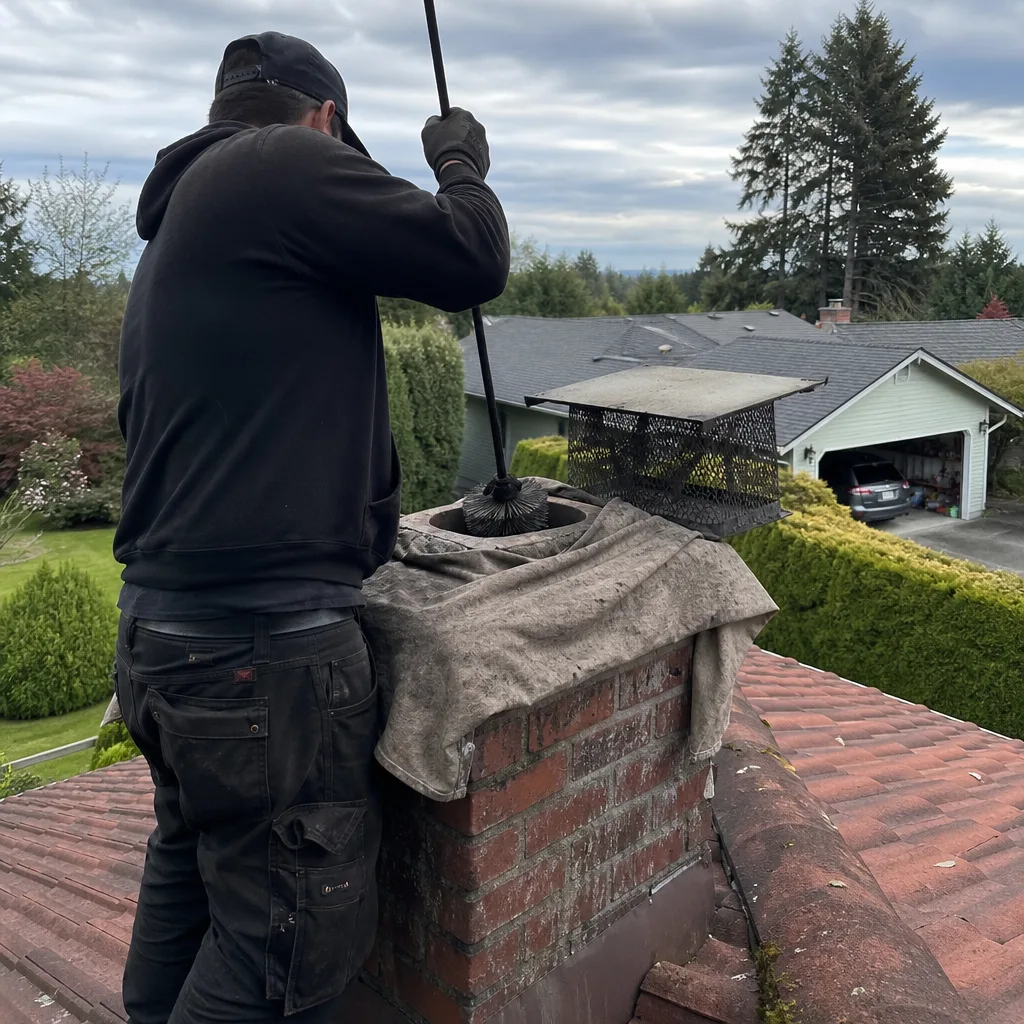
March in Kirkland isn’t spring cleaning season for chimneys. It’s damage assessment season. The moisture accumulation from October through February has done its work, and the warming temperatures mean homeowners start thinking about yard work instead of fireplace maintenance. This is backward.
We schedule our highest volume of Level 2 camera inspections in March and early April for a specific reason: what we find then predicts what will fail by October. A camera scan after the last heating cycle shows creosote patterns that reveal burning habits, liner condition after thermal stress, and moisture intrusion paths that are invisible from the rooftop or firebox. The difference between a March scan and a November scan is that in March, we see damage before the next burn season hides it with fresh soot deposits.
What to check in March:
- Damper operation and lubrication. The marine air in Kirkland deposits a fine salt and mineral film on steel dampers that binds the plate to its frame over winter. A damper that moves freely in October may seize by March. We check for pitting on the damper frame and recommend a dry lubricant, not oil-based, which attracts particulate matter.
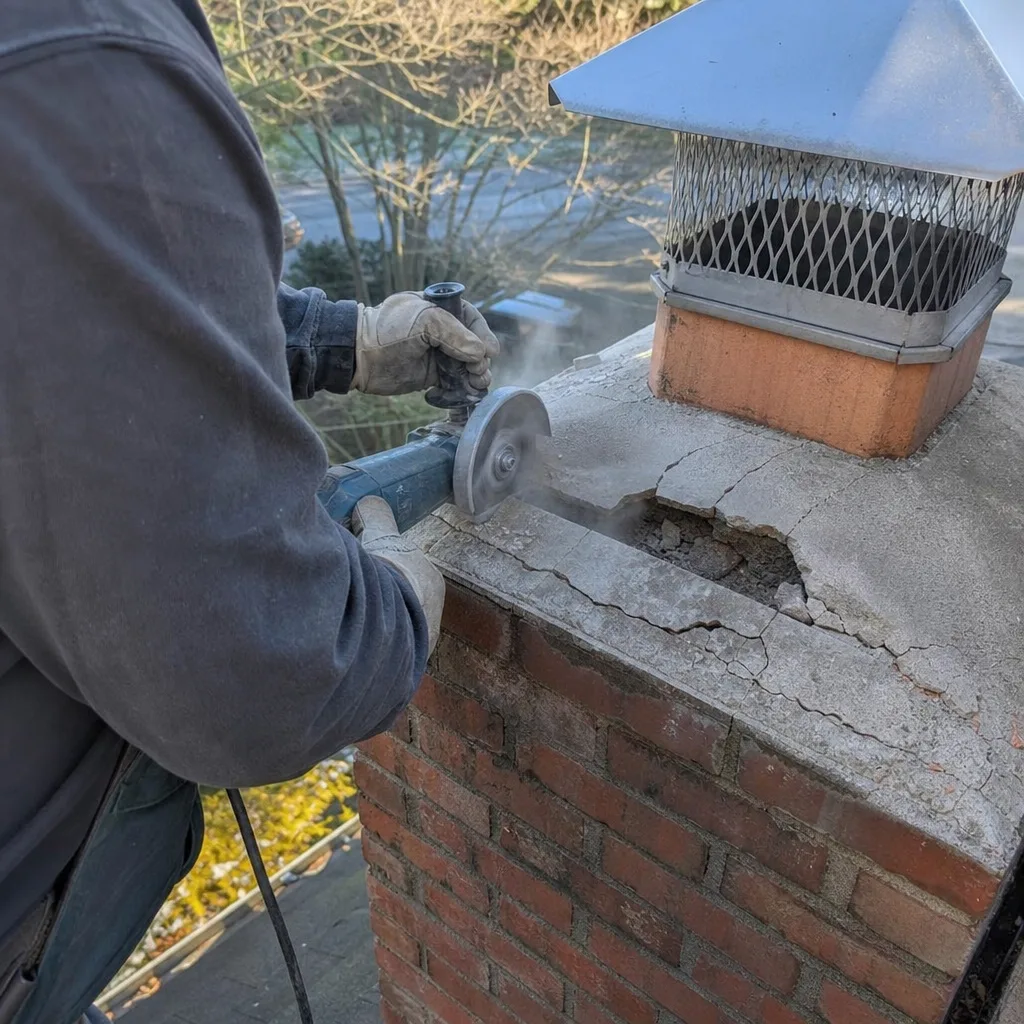
- Crown sealant integrity. Crown sealants applied in dry climates cure hard and remain flexible. In Kirkland’s humidity, acrylic-based sealants often develop micro-fractures by year three. We document crown condition with photos under Clause 4 of the Haven Standard and note whether the sealant still beads water or has begun to absorb it.
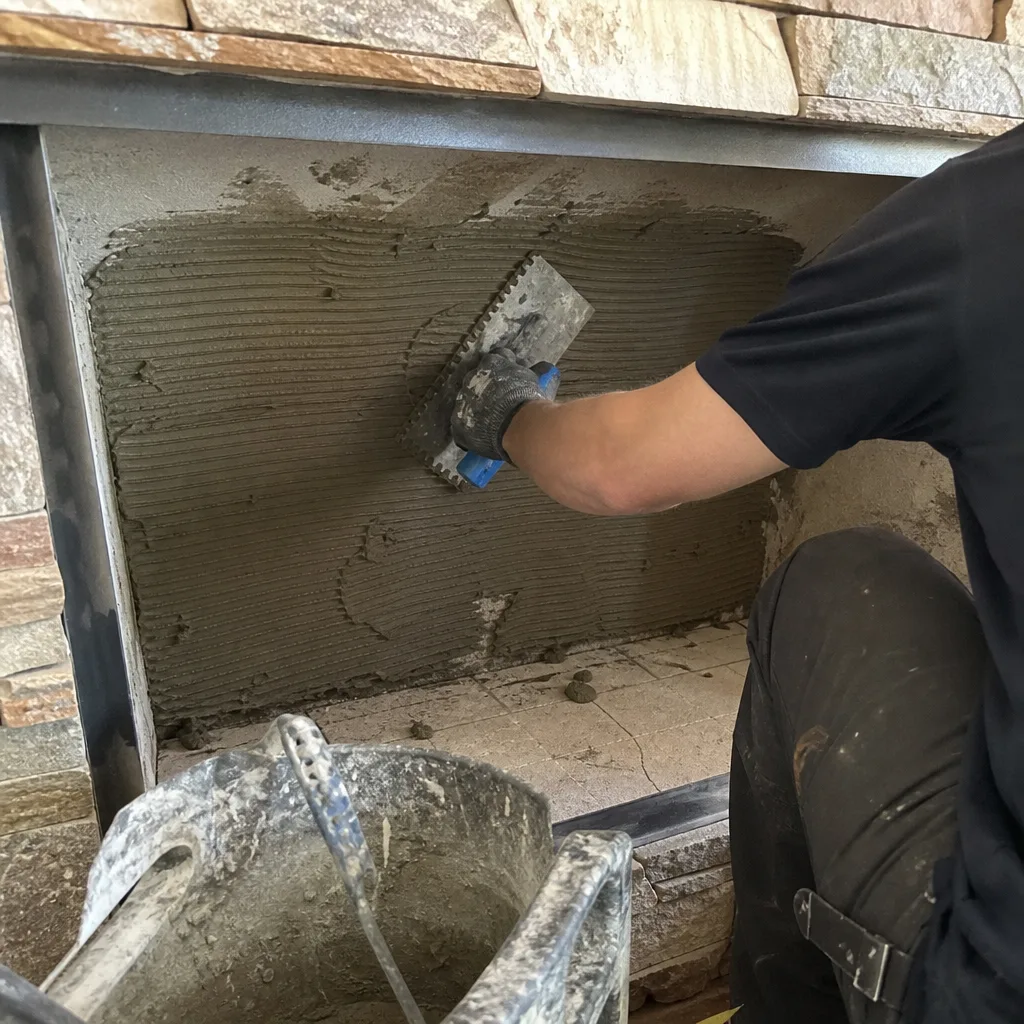
- Smoke chamber and firebox refractory. The smoke chamber, the area above the damper that funnels smoke into the flue, is where we most often find parging degradation in Kirkland homes. The parging, a thin mortar coating, separates from the brick when subjected to repeated heating followed by prolonged damp cooling. A March inspection catches this before fall burning begins.
- Exterior masonry and pointing. We photograph the chimney exterior from ground level and roof level, noting efflorescence (white mineral deposits that indicate water migration through the brick), missing or deteriorated mortar joints, and any leaning or separation from the structure. In the Finn Hill area, we’ve documented chimneys that showed no exterior issues in October but developed visible joint erosion by March due to freeze-thaw action.
The March scan also establishes a baseline for insurance and real estate documentation. For homeowners who purchased between 2015 and 2025, many of whom bought in Kirkland’s rapid appreciation period, a documented photo record from March protects against disputes about pre-existing conditions if damage develops later.
Our recommendation: treat March as the first month of your chimney year, not the last month of burn season.
May-August: Marine Summer and Active Deterioration
Summer is not off-season for Kirkland chimneys. The marine layer that rolls in from Puget Sound keeps relative humidity elevated even when temperatures are mild. Between May and August, Kirkland averages 60 to 75% relative humidity, with July often bringing morning fog that doesn’t burn off until 10 a.m. This moisture interacts with chimney materials in specific ways that require active monitoring.
Mortar and crown behavior in marine summer:
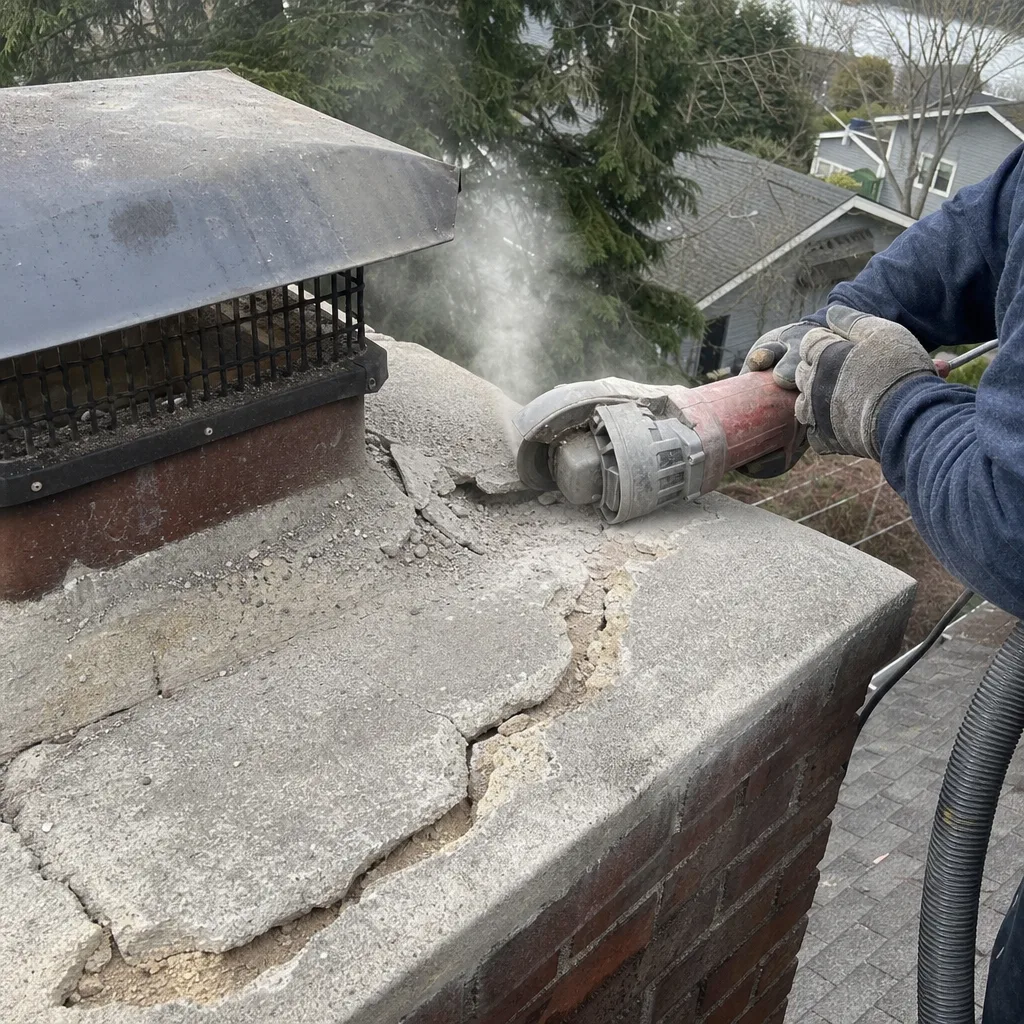
Portland cement-based crown mortar continues to hydrate, meaning it absorbs atmospheric moisture and undergoes subtle expansion and contraction cycles even without rain. Over multiple summers, this produces a network of hairline cracks that don’t leak visibly but create pathways for deeper water penetration when the heavy rains return in October. We inspect crowns in July and August specifically to catch this pre-failure state, when a thin elastomeric coating can restore integrity without rebuild.
In the Juanita Beach and North Juanita areas, where homes catch more direct afternoon sun after morning marine layer burn-off, thermal shock becomes a factor. Crown surfaces heat to 120°F or more by 3 p.m., then cool rapidly as the marine layer returns by evening. This daily expansion-contraction cycle exceeds what crown designers specified for inland climates. We’ve replaced crowns in these neighborhoods at 12 to 15 years that should have lasted 25, solely due to this thermal cycling pattern.
Stainless liner summer considerations:
For homes with stainless steel liners, summer is when exterior condensation peaks. The flue stays at ambient temperature, but humid air enters the top and condenses on the cooler metal surface, particularly in chimneys on the north side of the roof that never fully warm. This condensation is slightly acidic from atmospheric CO2 and, near the lake, carries dissolved chlorides. We recommend a summer inspection of the liner top and collar joint for homeowners with 304-grade uninsulated liners, particularly those installed more than five years ago.
What homeowners should do:
- Visually inspect the chimney exterior monthly from May through August, noting any new efflorescence, mortar discoloration, or crown cracking
- Check that the chimney cap remains securely seated after spring wind events; Kirkland’s spring storms, particularly in April, can dislodge caps in exposed locations
- Verify that gutter overflow isn’t routing water behind the chimney flashing during the occasional heavy summer thunderstorm
- Schedule any needed crown sealing or minor pointing in August, when materials cure most predictably before the wet season
Waiting until September to address summer damage means competing with every other homeowner for appointment slots and risking that rain arrives before the repair cures.
September-October: The Critical Booking Window Before Burn Season
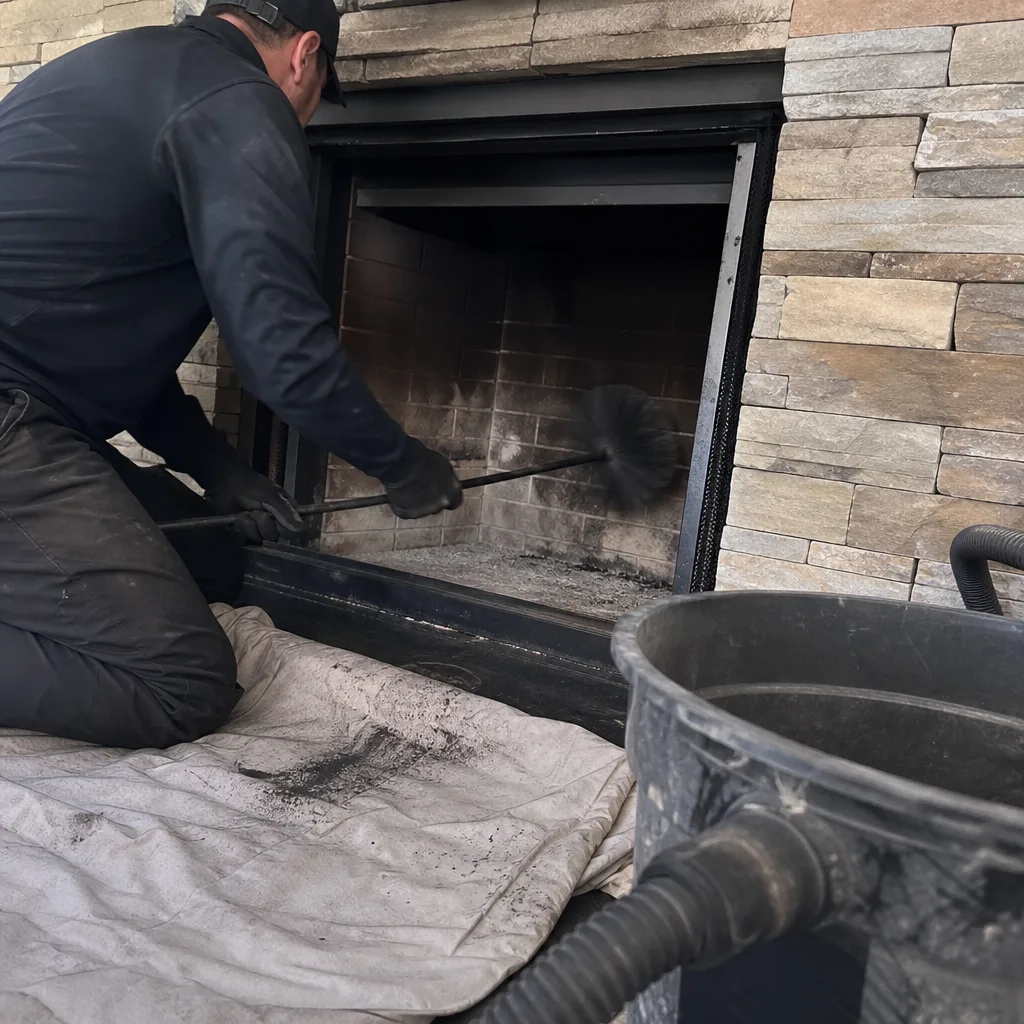
This is the window that national guides get right, but for the wrong reasons. They say “clean before heating season” as if the chimney sat pristine all summer. In Kirkland, we say “clean and inspect in early September before the October moisture surge and the November creosote peak.”
September in Kirkland averages 2.5 inches of rainfall, but October jumps to 4.5 inches and November to 6.5. The atmospheric moisture available for chimney intrusion doubles between September 15 and October 15. A chimney that scans clean in early September may show moisture staining by late October if the crown or flashing has degraded over summer. More critically, the first fires of the season in mid-October often occur during periods of high ambient humidity, when the flue liner is already damp. Burning with a damp liner produces more incomplete combustion, which deposits a sticky, low-temperature creosote that hardens into Class III glazed creosote faster than dry-conditions burning.
What happens during a September Level Two inspection:
Our technician arrives in a marked vehicle, uniformed, with license information provided at booking under the Haven Standard’s verified crew requirement. We perform a 17-point exterior inspection, then run a camera from the firebox or cleanout to the flue top, documenting every surface in high-resolution video. The customer watches in real time. We classify creosote deposits by type (powdery Class I, flaky Class II, or glazed Class III), note liner condition, and identify any moisture intrusion paths.
Before any work begins, we deliver a written price, written scope, and written warranty. This is Clause 1 of the Haven Standard: Have it in writing. No exceptions. The price for a standard sweep and inspection in Kirkland ranges from $289 to $425, depending on accessibility, flue configuration, and creosote severity-details we break down further in our Chimney Cleaning Cost Breakdown: The Kirkland Homeowner’s Reference for 2026. If repairs are needed, we itemize materials from our buying network, including Olympia Chimney and Famco components, with pricing that reflects our volume procurement rather than retail markup.
The September timing matters for scheduling reality. By October 15, our Kirkland calendar typically fills three weeks out. Homeowners who wait until they smell smoke in the living room or see water stains on the ceiling are already in reactive mode, and the repairs they need may not complete before the heavy rains of November.
Critical September tasks:
- Camera inspection to establish pre-season baseline
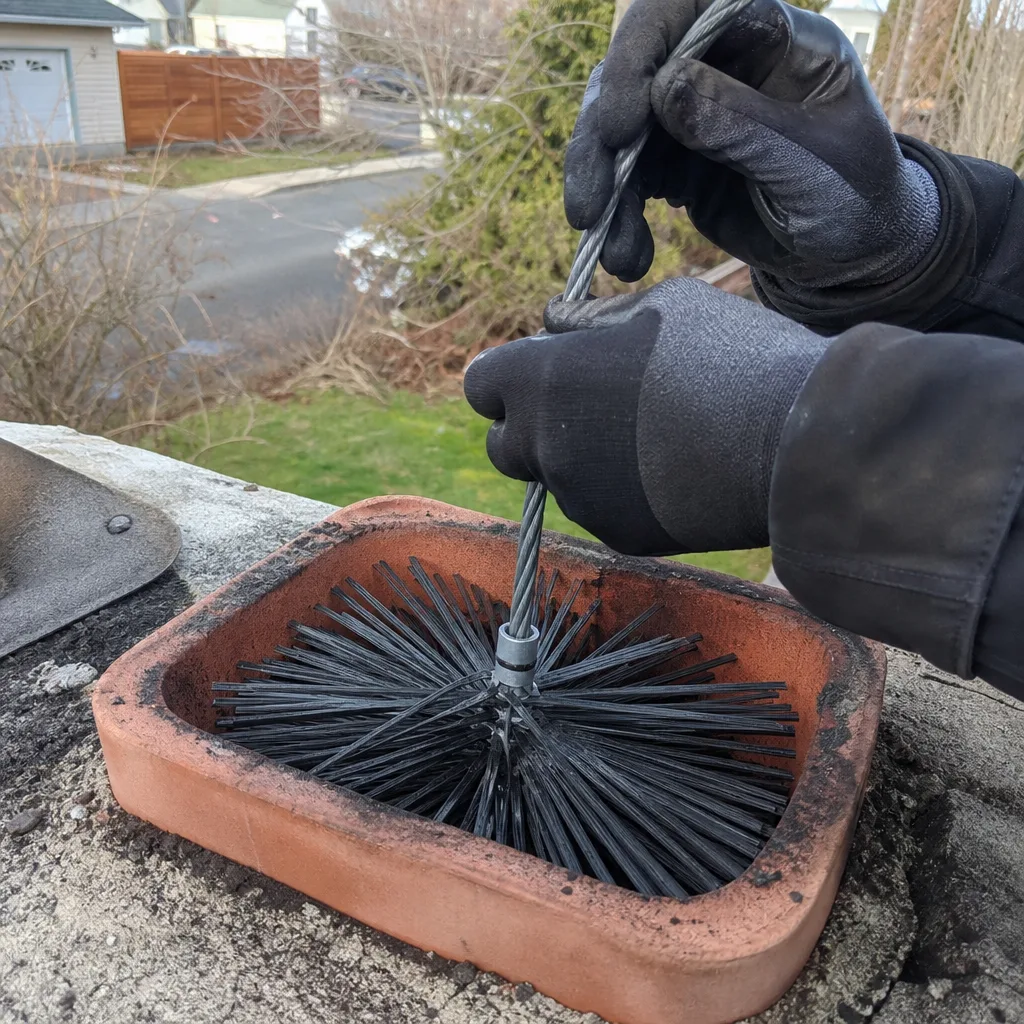
- Creosote removal while deposits are still Class I or II and respond to mechanical sweeping
- Crown and flashing verification before October rainfall doubles
- Damper function check after summer disuse
- Cap and spark arrestor inspection for debris from summer storms
November-January: Peak Burn Season and Creosote Chemistry
This is when Kirkland’s unique risk profile converges. The heaviest rainfall, the shortest days, the highest heating demand, and the most problematic wood supply all arrive simultaneously.
The unseasoned wood problem:
Kirkland’s tree canopy includes significant Douglas fir, western red cedar, and bigleaf maple. When November windstorms drop limbs, homeowners often cut and burn this wood within weeks, sometimes days. Fresh-cut Douglas fir has moisture content of 50% or higher. Burning it produces steam that cools the flue, incomplete combustion that yields heavy hydrocarbon vapors, and a creosote deposition rate three to five times higher than properly seasoned hardwood.
In the Bridle Trails and South Rose Hill neighborhoods, where larger lots mean more on-property tree management, we’ve documented chimneys that accumulated a full season’s worth of Class II creosote in four weeks of November burning due to unseasoned fir. The creosote forms as a tacky, brown-black layer that doesn’t look alarming to the homeowner but has extremely low ignition temperature, around 451°F. A normal chimney fire reaches 2,000°F. The risk isn’t theoretical. We’ve inspected chimneys in Kirkland that showed thermal damage to clay tile from low-temperature ignition events the homeowner never knew occurred.
What to observe during peak burn season:
- Draft behavior: If smoke spills into the room on startup, the flue may be partially obstructed or the air supply inadequate. Don’t compensate by opening the damper fully; this wastes heat and can overcool the flue, worsening creosote formation.
- Burning rate: A properly burning fire consumes its fuel with visible flames and minimal smoke from the chimney top. Heavy smoke from the chimney indicates incomplete combustion and accelerated creosote formation.
- Odd odors: A sharp, acrid smell when the fireplace isn’t in use can indicate creosote saturation or moisture intrusion activating deposits. Both warrant professional inspection.
- Performance changes: If the fire seems harder to start or requires more kindling than in previous years, the flue may be narrowing from buildup.
Mid-season safety check:
For homeowners burning more than three times weekly, we recommend a January visual check of the firebox and a call if anything has changed. We do not recommend homeowner attempts to inspect the flue interior. The NFPA 211 Level 2 camera inspection requires equipment and training for valid assessment, and the risk of missing a developing hazard exceeds any savings from self-inspection.
The 365-Day Done Right Promise applies to any work we perform. If a sweep in September reveals conditions that require follow-up, we document the timeline and honor our commitment regardless of when in the burn season issues develop.
February-March: Post-Season Tasks and Spring Damage Assessment
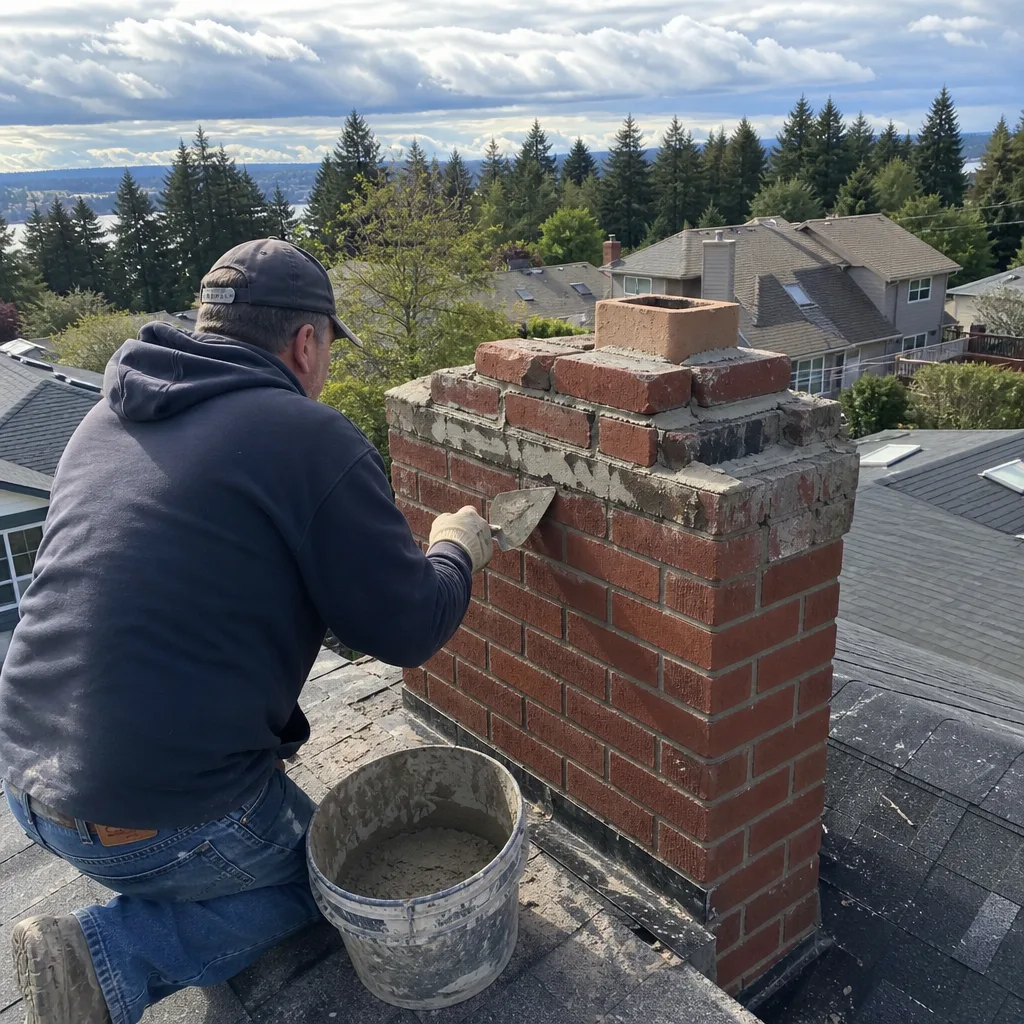
When the last fire burns out, the chimney’s most active deterioration period is just beginning. The transition from heated flue to cold, damp exterior creates a condensation pulse that drives moisture into any available opening.
Immediate post-season steps:
- Close the damper, but don’t seal the system. A closed damper prevents warm interior air from escaping, but complete sealing with plastic or foam traps moisture in the firebox. Leave the cleanout door ajar if present, or crack a nearby window periodically to allow air exchange.
- Remove ashes completely. Ashes absorb atmospheric moisture and become caustic, accelerating corrosion of metal components and degradation of refractory mortar. In Kirkland’s humidity, wet ash paste forms within days of the last fire.
- Inspect the firebox for new cracks or spalling. Thermal stress from the heating season reveals itself as the system cools. Document anything new with photos for comparison with your September baseline.
- Schedule the March camera scan. This is the inspection that catches what November’s soot hid. We find more liner damage, joint separation, and moisture intrusion paths in March than in any other month, simply because the flue is clean enough to see them.
Spring-specific Kirkland considerations:
The March-April period brings Kirkland’s most intense wind events, with southeasterly gales that test chimney cap retention and flashing integrity. Simultaneously, the warming temperatures activate biological growth on north-facing chimney surfaces. We’ve documented moss and lichen establishment on brickwork in the Finn Hill and Kingsgate areas that, left untreated, accelerates mortar joint erosion by holding moisture against the surface.
Spring is also when we perform the majority of crown rebuilds and major pointing repairs. Materials cure more predictably in March and April than in November, and completing structural work before the September booking rush means no competition for scheduling. For homeowners with documented damage from the March scan, we provide a written scope and price with no expiration, valid for scheduling at their convenience through August.
Gas Fireplace and Insert Maintenance Through Shoulder Seasons
Gas systems in Kirkland face a different set of marine climate challenges. The combustion is cleaner, but the venting system and control components are exposed to the same moisture and wind patterns.
Condensation in the liner:
Direct-vent gas fireplaces and inserts produce water vapor as a primary combustion product. In Kirkland’s climate, this vapor condenses in the cooler upper sections of the vent liner, particularly during low-fire operation in shoulder seasons when the vent doesn’t fully heat. The condensate is slightly acidic and, over time, corrodes galvanized vent connectors or degrades the seals in flexible liner systems. We inspect gas vent liners with a dedicated camera system that identifies corrosion patterns, water staining, and joint separation that would be invisible from the firebox.
Pilot and control corrosion:
The pilot assembly and gas valve sit in the firebox or control compartment, exposed to marine air whenever the system isn’t actively heating. In Kirkland’s humidity, we’ve found pilot orifices partially obstructed by corrosion products after a single summer of disuse, particularly in waterfront homes where salt aerosol concentration is highest. The symptom is a pilot that lights intermittently or requires multiple attempts, often misdiagnosed as a thermocouple failure.
Vent termination in high-wind zones:
Kirkland’s topography creates localized wind acceleration. Homes on the west-facing slopes above Lake Washington, in the Everest neighborhood, and on exposed ridges in the Highlands experience sustained winds that can affect vent termination performance. We inspect for:
- Dislodged or damaged termination caps from winter wind events
- Obstruction from nesting materials, particularly after March when birds become active
- Recirculation patterns where wind pressure differentials cause combustion byproducts to re-enter the home envelope
- Corrosion at the termination collar from wind-driven rain
Shoulder season maintenance schedule:
We recommend professional gas fireplace service in May, after the heating season, and November, before it begins. The May service addresses corrosion and condensation accumulation from winter operation. The November service verifies ignition reliability and vent integrity before dependability matters most. Between services, homeowners should operate the system monthly for 15 minutes even during non-heating months to keep components dry and lubricated.
For inserts with flexible vent liners, we include a camera verification of liner position and condition as part of our standard service, documented under Haven Standard Clause 4. Liner displacement from thermal cycling or improper original installation is more common than most homeowners realize, and the consequences include CO migration into living spaces.
Month-by-Month Reference for Western Washington Chimney Care
This table summarizes what to observe, what to log, and which months trigger professional camera inspection regardless of visible condition.
| Month | Observe | Log | Professional Trigger |
|---|---|---|---|
| January | Draft performance, firebox condition after heavy use | Any change in startup behavior or heating efficiency | Visual check if burning 3+ times weekly |
| February | Final fire performance, ash accumulation pattern | Date of last fire, any odors during non-use | Schedule March camera scan |
| March | Exterior masonry after freeze-thaw season, damper operation | Photo documentation of firebox, exterior, damper | Level 2 camera inspection mandatory - highest diagnostic yield of the year |
| April | Spring storm damage to cap, flashing, crown | Wind event dates, any visible displacement | If March scan revealed damage needing repair |
| May | Gas system pilot reliability, vent termination | Ignition attempts, any delay in flame establishment | Gas fireplace annual service |
| June | Crown sealant condition, efflorescence development | Photo comparison with March baseline | If moisture staining appears |
| July | Thermal cycling effects on crown, cap security | Any new cracking after hot days | Minor repairs before fall rush |
| August | Final pre-season exterior condition, gutter routing | Documentation of any summer changes | Schedule September sweep and inspection |
| September | Pre-burn system readiness, damper and flue function | Camera inspection video, written scope and price | Level 2 camera inspection mandatory - establish pre-season baseline |
| October | First-fire performance, draft behavior in damp conditions | Any smoke spillage, unusual odors, or poor draft | If September scan indicated watch items |
| November | Creosote accumulation rate, wood moisture content | Wood source, time since cut, burn frequency | Gas system pre-season service; wood-burning if burning unseasoned wood |
| December | Peak season performance, any operational changes | Heating efficiency, fuel consumption | If any performance degradation observed |
The March and September camera inspections are non-negotiable in our protocol. Everything else is conditional on observation. This schedule reflects what 38,000+ inspections have taught us about how Kirkland’s specific climate degrades chimney systems and where intervention timing matters most.
Common Mistakes to Avoid
- Waiting for visible smoke problems. By the time smoke spills into the room, the flue is already significantly obstructed or the draft system has failed. In Kirkland’s damp climate, gradual draft degradation is often mistaken for “just how this fireplace works.”
- Burning storm-felled wood immediately. Fresh-cut western red cedar and Douglas fir from Kirkland’s frequent November windstorms carries 50%+ moisture. The creosote formation rate from this wood can produce hazardous deposits in a single month of weekend burning.
- Assuming gas systems need no maintenance. The vent liner, termination, and control components in gas fireplaces degrade from condensation and corrosion in marine climates. Annual service is not optional for safe operation.
- Applying national timing guides without adjustment. The “clean in late summer” advice assumes a dry summer. Kirkland’s marine summer means moisture damage accumulates actively from May through August. September cleaning addresses five months of deterioration, not a pristine system.
- Ignoring the crown between professional visits. Crown microcracking progresses invisibly until water intrusion becomes obvious inside the home. Monthly visual checks from ground level catch displacement and major cracking; the March and September inspections catch what ground observation cannot.
- Attempting flue inspection without proper equipment. A flashlight and mirror from the firebox reveals perhaps 15% of the flue surface. The remaining 85%, including the critical upper third where most damage occurs, requires camera equipment and trained interpretation.
- Accepting verbal estimates or post-work billing. Under the Haven Standard, written price before work starts is Clause 1 for specific reasons: scope clarity, price protection, and warranty enforceability. Verbal agreements leave homeowners without recourse if disputes arise.
When to Call a Professional
Call for a Level 2 camera inspection if you observe any of the following: smoke spillage during startup or operation; visible cracks in the firebox, smoke chamber, or exterior masonry; white efflorescence or dark staining on exterior brick; a damper that sticks, squeals, or won’t fully open or close; odd odors from the fireplace when not in use; or any change in heating efficiency or draft performance from previous seasons. For gas systems, call if the pilot requires multiple ignition attempts, the main burner pattern changes, or you detect any combustion odor.
Level Two Chimney Kirkland offers free estimates in Kirkland and publishes more guides & resources for local homeowners. Every estimate includes a written scope, written price, and written warranty before any work begins. Call (425) 642-3485 to schedule, or speak with our live phone support available 24 hours a day, 7 days a week. We provide a Free Second Opinion on any competitor’s written estimate, and every job is backed by the 365-Day Done Right Promise.
Frequently Asked Questions
A standard chimney sweep and Level 2 camera inspection in Kirkland ranges from $289 to $425, depending on flue accessibility, chimney height, and creosote severity. We deliver a written price before any work starts, with no exceptions. Call (425) 642-3485 for an exact quote based on your specific system - estimates are free.
Clay tile flues can remain serviceable for decades if intact, but in Kirkland’s marine climate, freeze-thaw damage and moisture intrusion accelerate spalling and cracking. We don’t recommend replacement without camera evidence you can see yourself. Our Level 2 inspection documents liner condition with high-resolution video; if replacement is needed, we specify why, show you the damage, and provide a written scope using materials from DuraFlex or Olympia Chimney procured through our buying network. Many clay tile systems in Kirkland homes built 1975-1995 remain functional with proper maintenance.
The National Fire Protection Association recommends annual inspection for all chimney systems, with cleaning frequency based on creosote accumulation. In Kirkland’s climate, we recommend a minimum of one Level 2 camera inspection annually, with sweeping as needed based on what the camera reveals. For wood-burning systems used more than three times weekly during heating season, this typically means annual sweeping. For occasional use or gas systems, the inspection may show that sweeping is unnecessary, but the camera documentation remains essential for warranty and insurance purposes under Haven Standard Clause 4.
Skipped maintenance leads to three predictable outcomes in Kirkland: progressive moisture damage to masonry and liner materials from the marine climate; creosote accumulation that increases chimney fire risk and reduces heating efficiency; and undetected structural degradation that converts minor repairs into major rebuilds. We’ve inspected chimneys in the Norkirk area where a $400 crown repair deferred for three years became a $4,200 rebuild after freeze-thaw damage propagated through the masonry. The camera inspection that would have caught this early costs a fraction of the eventual repair.
Summer chimney odors in Kirkland typically indicate one of three conditions: creosote deposits activated by humidity and warmth, producing a sharp, tar-like smell; moisture intrusion carrying organic matter or biological growth; or a downdraft pulling air from the flue into the living space when interior pressure drops. A March or September camera inspection identifies which cause applies to your system. Simple deodorizing treatments address symptoms; the inspection addresses cause.
Homeowners can remove superficial ash and debris from the firebox, but flue inspection and creosote removal require equipment and training for valid assessment. In Kirkland’s climate, the critical damage patterns - liner spalling, joint separation, moisture intrusion paths - occur in the upper flue where visual access is impossible without camera equipment. More importantly, improper technique can damage liner surfaces or compact creosote into obstructions. We document every inspection under Haven Standard Clause 4 with photos you receive, creating a record that DIY work cannot replicate for insurance or real estate purposes.
The Bottom Line
Kirkland’s chimney calendar runs on rainfall, not temperature. The nine months of moisture exposure from March through November mean summer is active deterioration season, not off-season. The correct maintenance sequence: a March camera scan to assess winter damage, summer observation and minor repairs, early September sweep and inspection before the October moisture surge, and disciplined burning practices through the November-January creosote peak. Gas systems need parallel attention to vent termination and control corrosion. Every inspection should produce documentation you can see and keep. Anything less leaves you guessing about the condition of a system that vents combustion products through your home.
Level Two Chimney Kirkland has operated under the Haven Standard since 2009, completing more than 38,000 chimney inspections and cleanings with a written price before every job and a documented photo record on completion. We serve homeowners throughout Kirkland, from the lakefront to the Finn Hill ridge, with background-checked, uniformed technicians and live phone support 24 hours a day, 7 days a week. For Chimney Cleaning & Sweep in Kirkland, Chimney Repair in Kirkland, or Fireplace Services in Kirkland, call (425) 642-3485 for a free estimate. Visit our Level Two Chimney Kirkland home page to learn more about the Haven Standard and our 365-Day Done Right Promise.
Written by Corrine Halstead, Owner at Level Two Chimney Kirkland, serving Kirkland since 2009.