
Last updated September 22, 2026
Level 1 sweep and inspection to the NFPA 211 annual standard - flue, crown, cap, and flashing checked and photographed
Chimney sweep logs do not sweep chimneys. They loosen some creosote - which then falls where a brush and vacuum still have to collect it.
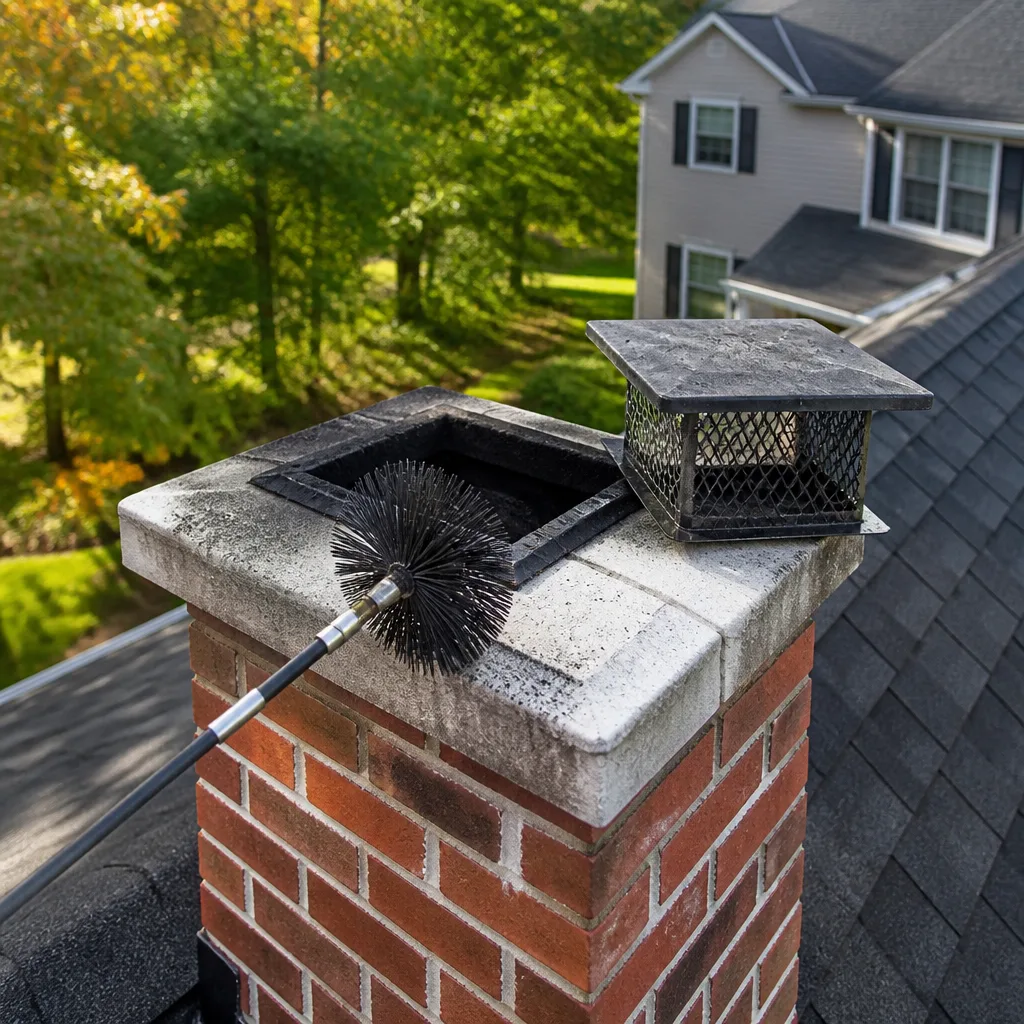
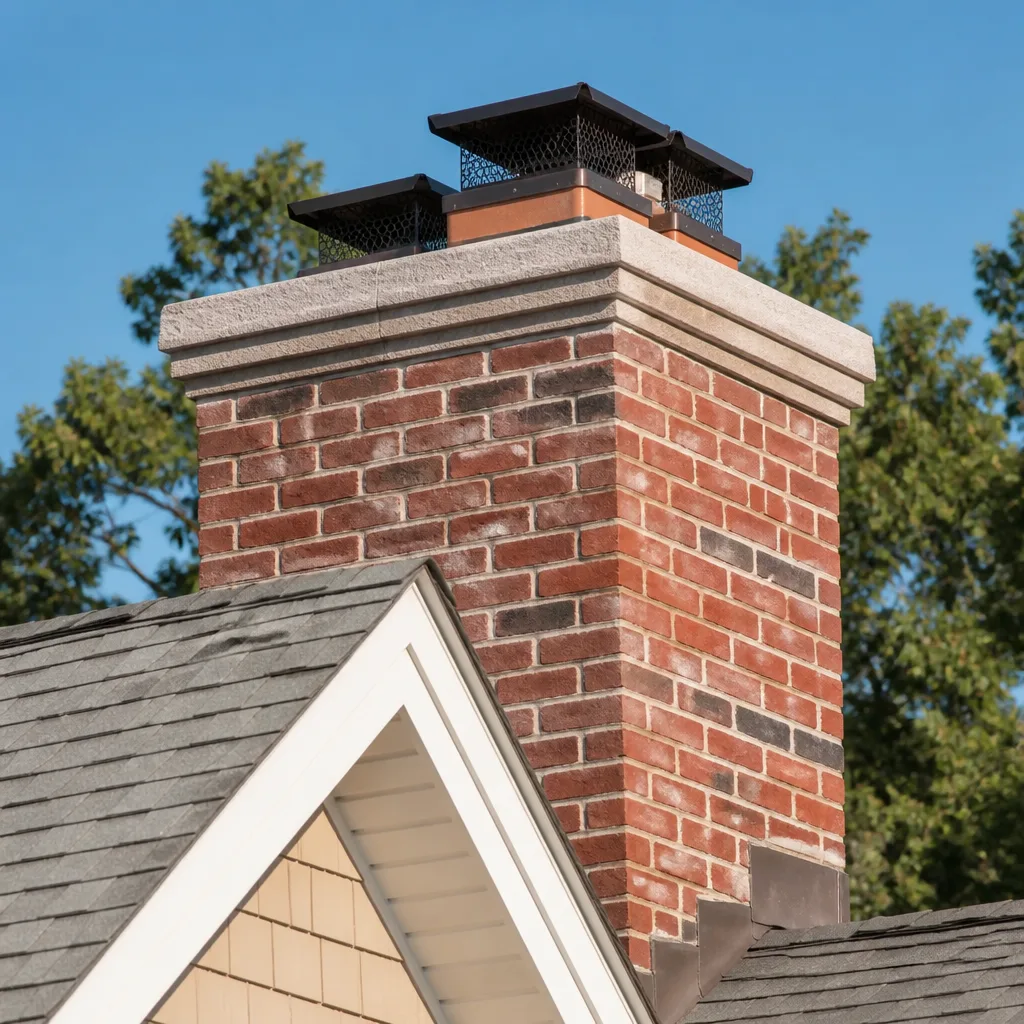
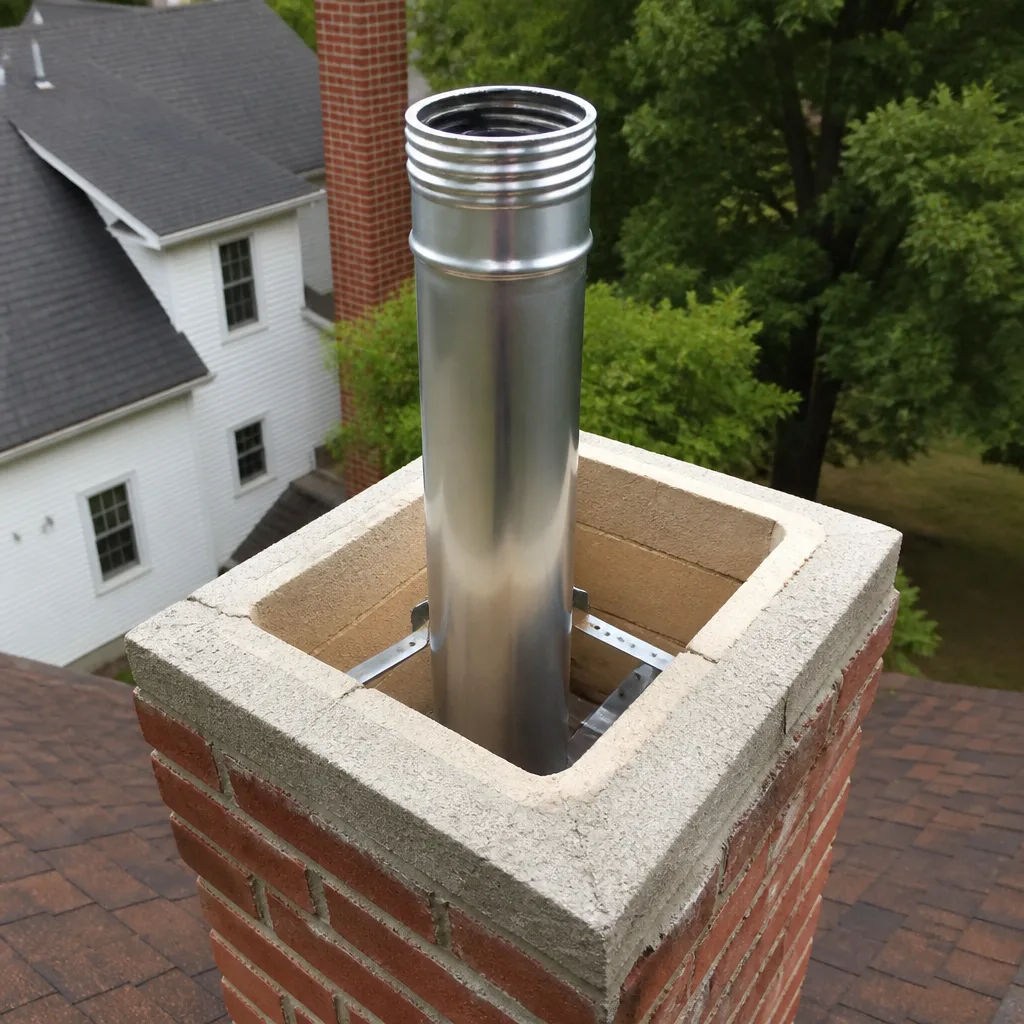
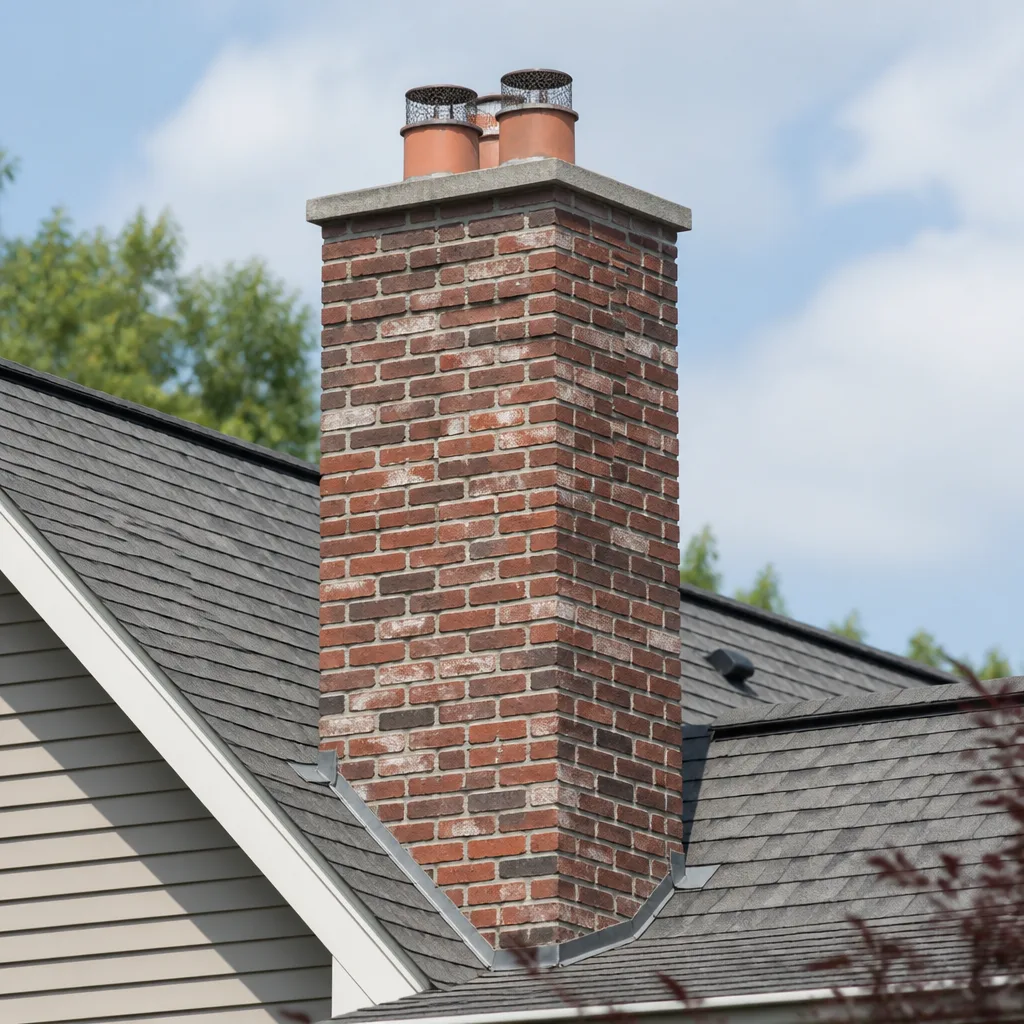
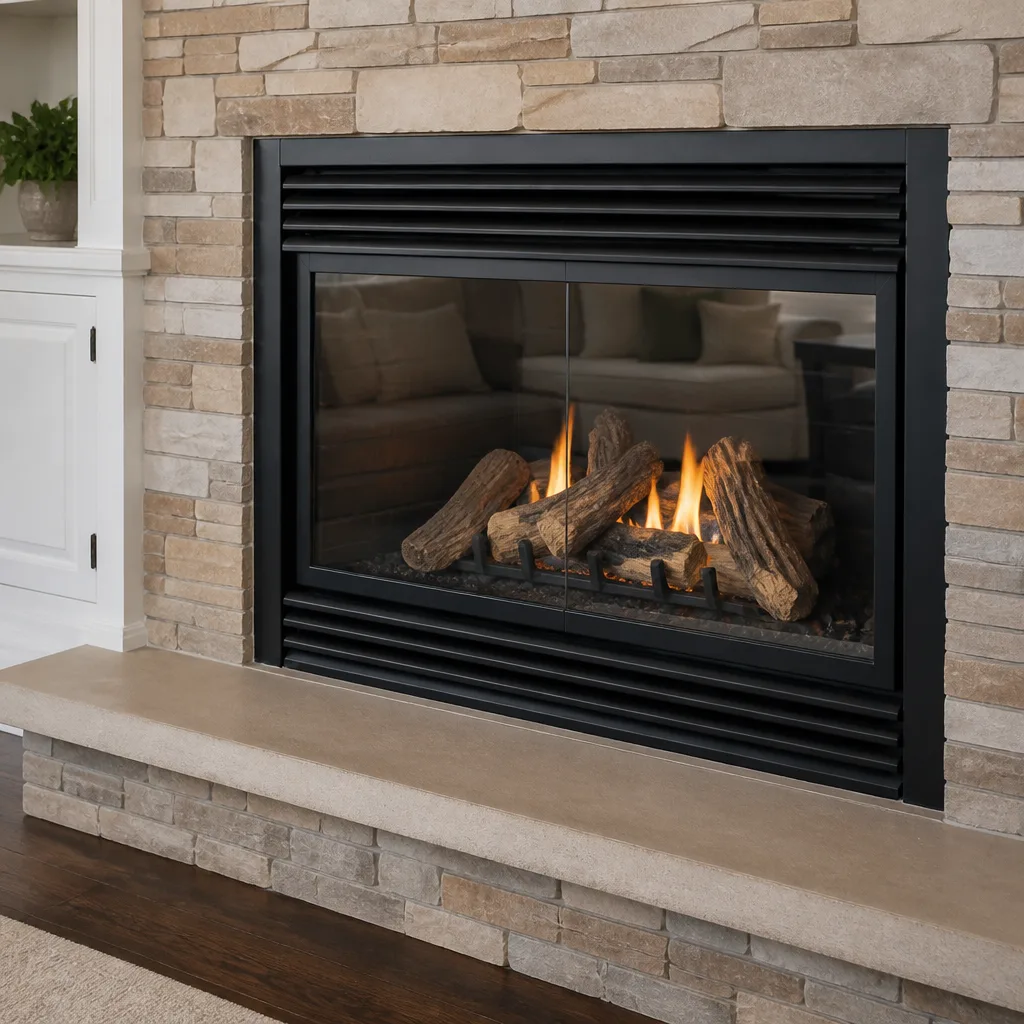
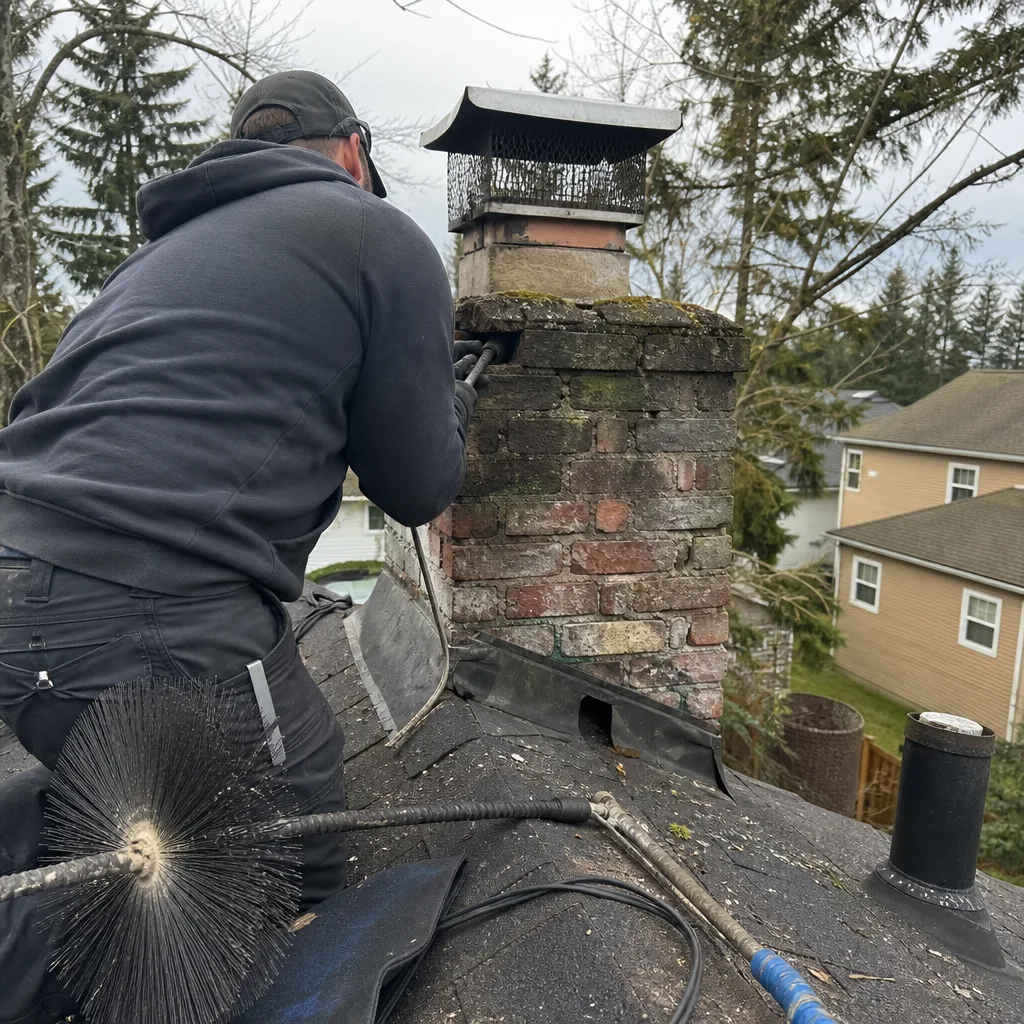 Before
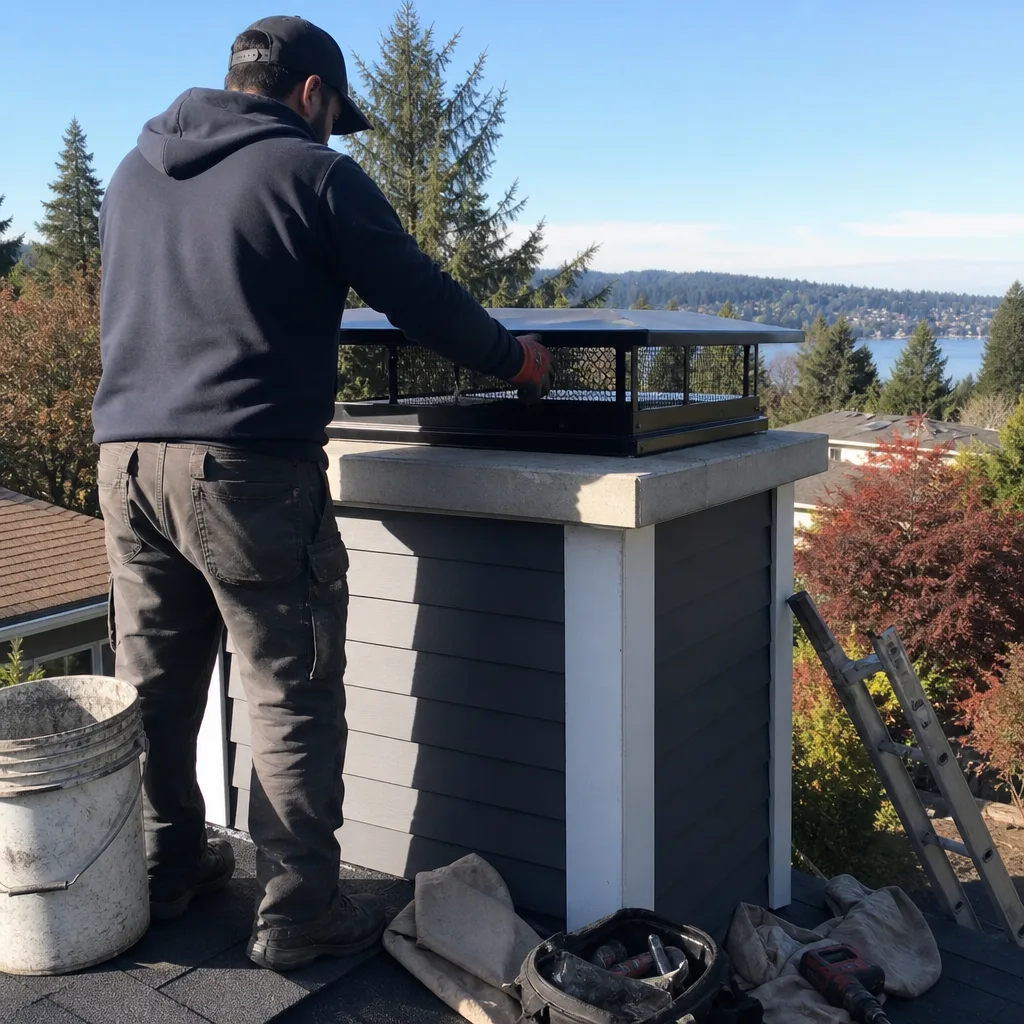 After
After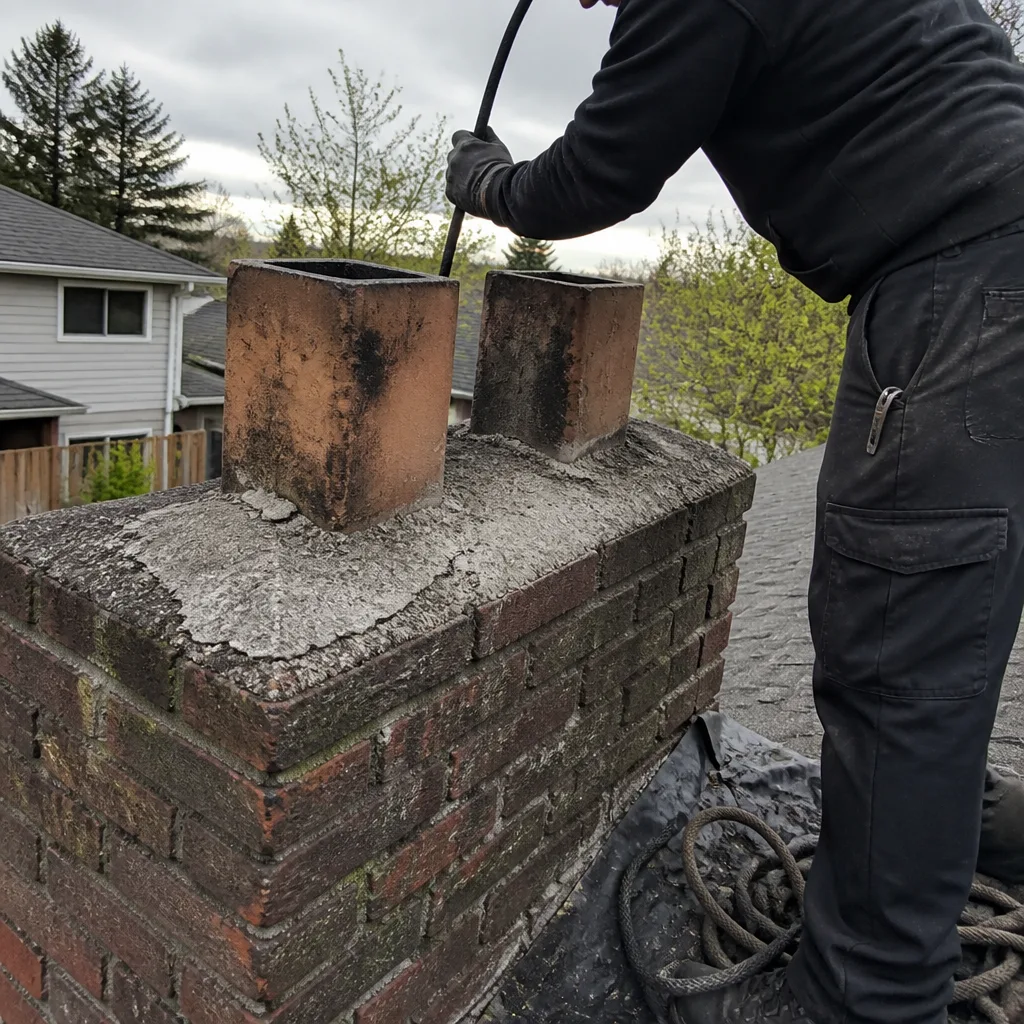 Before
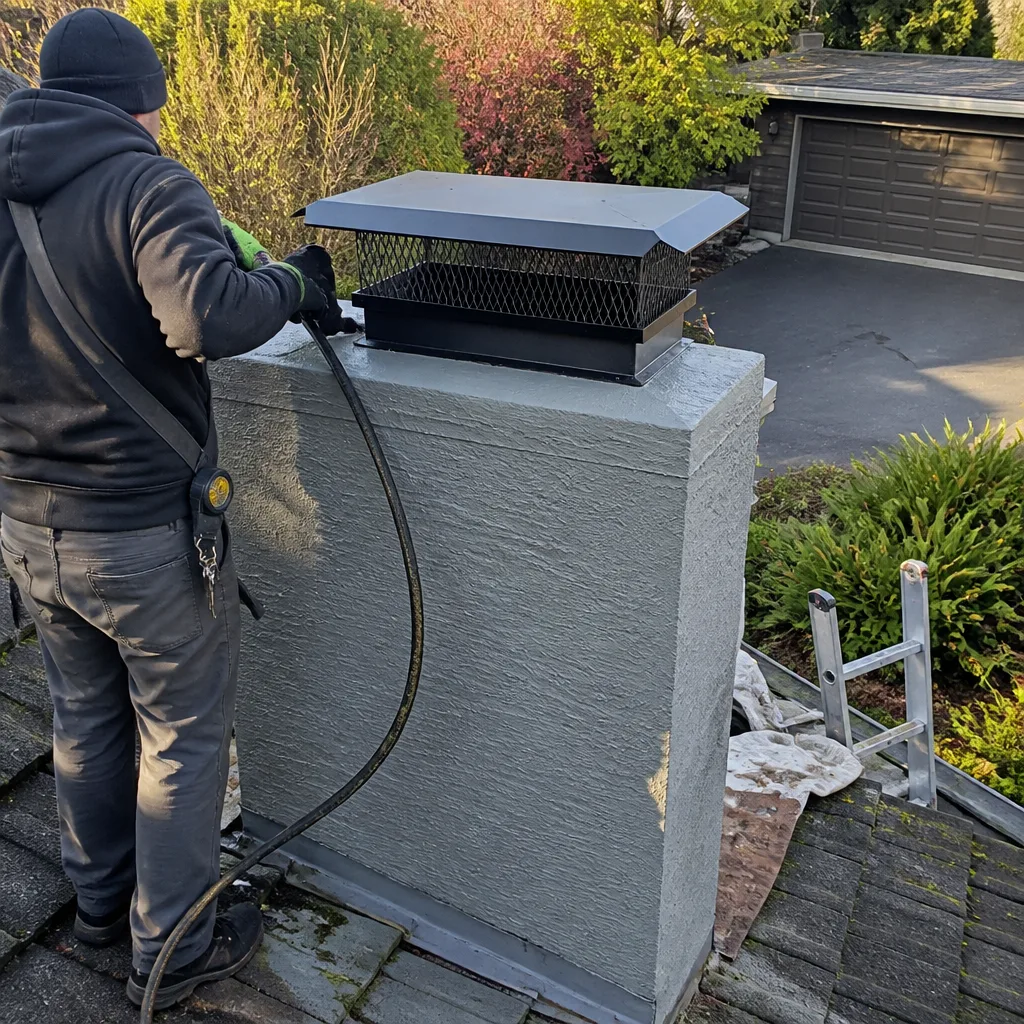 After
After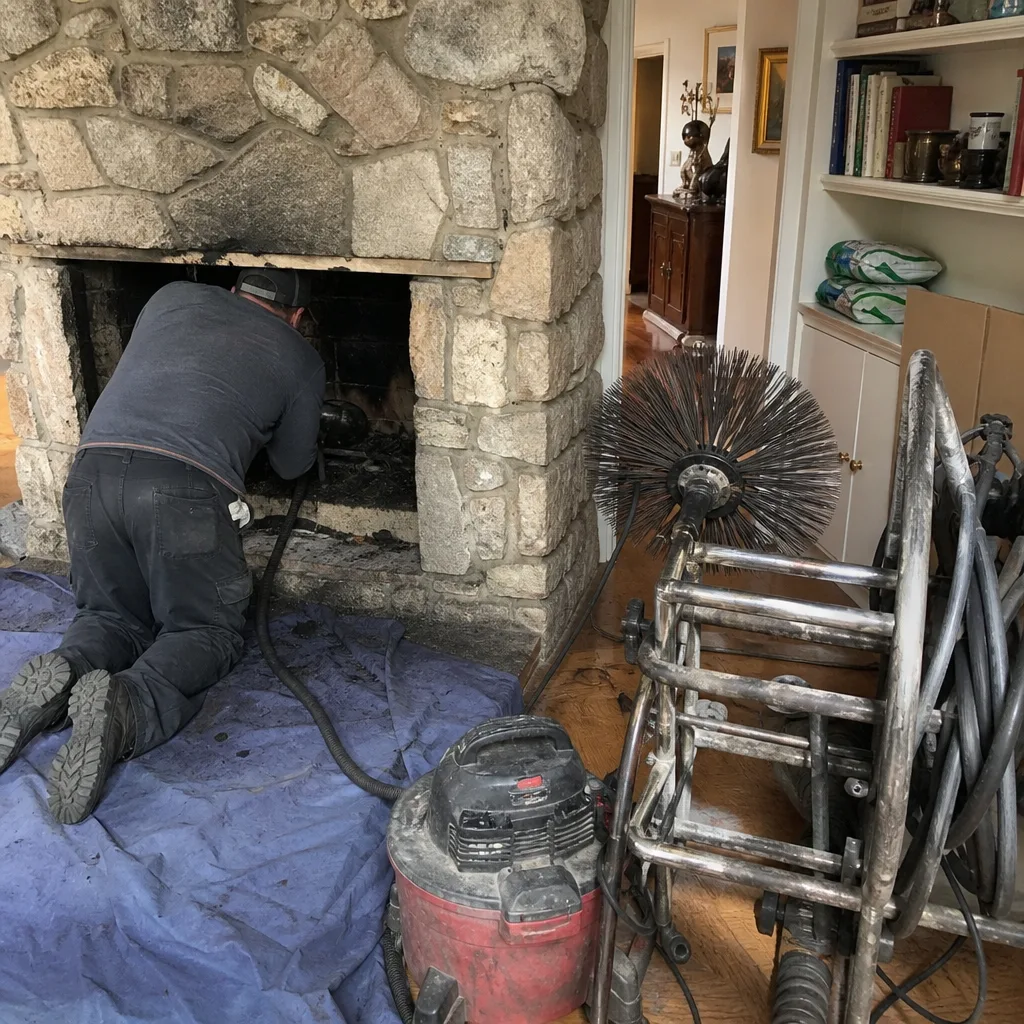 Before
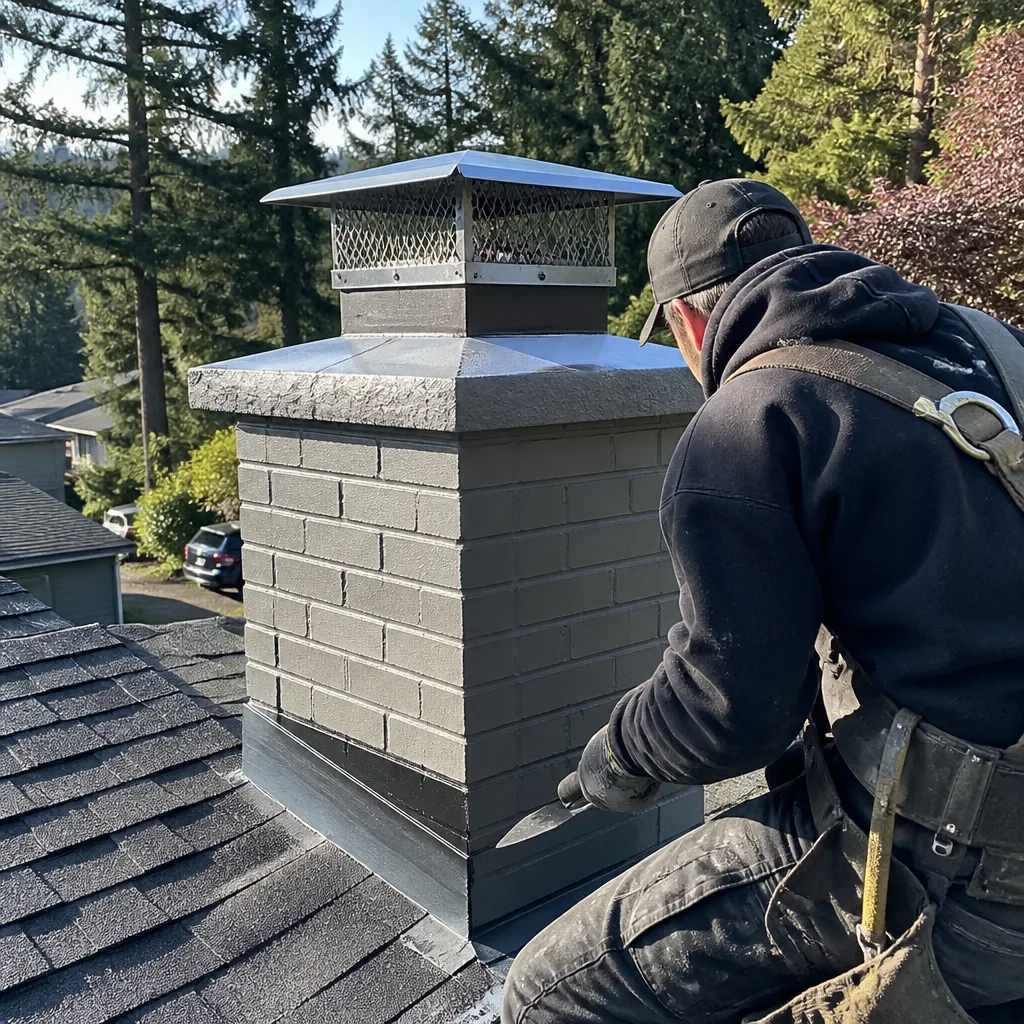 After
AfterChimney Cleaning Cost Breakdown: The Kirkland Homeowner’s Reference for 2026
The $149 chimney cleaning special and the $380 documented sweep are not the same service with a different margin. One produces a written record with camera photos that an insurer will accept. The other produces a cleaner flue and a receipt. In Kirkland, where home values have climbed past $1.2 million in neighborhoods like Juanita and Finn Hill, the gap between those two prices is not markup theater. It is the cost of documentation, liability, and a technician who can explain what the camera found without reaching for a sales script. This guide breaks down what actually differs between quotes so you can match price to scope, not assume you’re comparing the same service twice. For more guides & resources, visit our blog.
Quick Answer
Chimney cleaning in Kirkland costs between $180 and $450 for a documented sweep with NFPA 211 Level 2 inspection, camera scan, and written report. A basic cleaning without documentation runs $99 to $180. The price difference reflects inspection depth, equipment, travel time to Kirkland’s hillside neighborhoods, and whether the quote bundles repair recommendations or keeps them as separate line items.
Table of Contents
- What Level 1, Level 2, and Unlabeled “Inspection” Mean on Your Quote
- The Actual Cost Components in a Kirkland Chimney Cleaning
- Kirkland-Specific Cost Factors: Interior vs. Exterior Chimneys and Pre-1970 Construction
- The Repair Upsell Pattern: How Low Cleaning Prices Recover Margin
- What a Written Warranty Should Cover, and What It Usually Excludes
- How to Read a Chimney Cleaning Quote Line by Line
- Common Mistakes to Avoid
- When to Call a Professional
- Frequently Asked Questions
- The Bottom Line
 Before
 After
AfterWhat Level 1, Level 2, and Unlabeled “Inspection” Mean on Your Quote
Nearly every chimney company in Kirkland advertises an “inspection” with their cleaning. Few define what that word means. The NFPA 211 standard, which governs chimney safety in Washington State, specifies three inspection levels. Before scheduling, review Chimney Cleaning Permits, Codes & Inspections in WA: What You Need to Know. The level determines what equipment enters your flue, what gets documented, and whether the report holds weight with your insurer or home inspector.
Level 1 is a visual check of accessible portions. The technician examines the firebox, damper, and exterior chimney with a flashlight. No camera enters the flue. No written report is required by the standard, though some companies provide a checklist. Level 1 suits annual maintenance on a chimney with no changes, no known damage, and no real estate transaction pending. In Kirkland, a Level 1 bundled with cleaning typically runs $120 to $180.
Level 2 requires a camera scan of the entire flue interior, from firebox to crown, plus inspection of attics, crawl spaces, and exterior surfaces accessible from ground or roof. The technician documents liner condition, creosote class (the three stages of buildup, from flaky soot to hardened glaze), and any gaps, cracks, or obstructions. A written report with photos is mandatory under NFPA 211. This is the inspection standard insurers and home inspectors expect when a property changes hands, after a chimney fire, or following any structural modification. In Kirkland, Level 2 with cleaning runs $280 to $450.
Unlabeled “inspection” is the wildcard. Some companies use the word to describe a flashlight look they perform while cleaning. Others mean a camera scan but do not produce the written documentation NFPA 211 requires. The price often falls between Level 1 and Level 2, around $180 to $260, but the deliverable is ambiguous. Ask specifically: does the technician run a camera through the flue? Do you receive dated photos? Is the report written or verbal?
At Level Two Chimney Kirkland home, we made Level 2 the default in 2009, before regulators or insurers asked for it. Clause 4 of the Haven Standard requires a documented photo record on every job, not as an upgrade but as the floor. We’ve completed more than 38,000 chimney inspections and cleanings since then, every one with a written price before work started and a documented record when it was done.
The Actual Cost Components in a Kirkland Chimney Cleaning
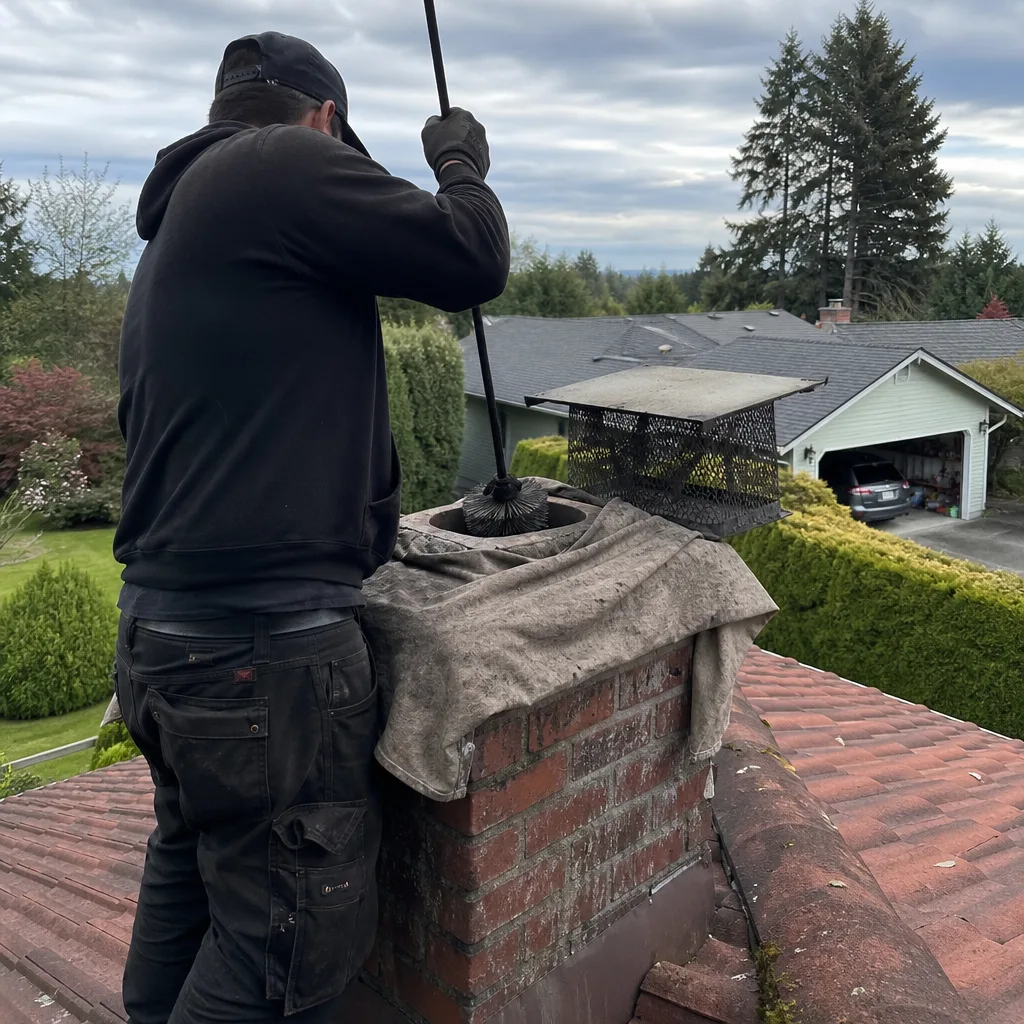
A chimney cleaning quote is not a single line item with mystery padding. It is built from discrete costs that vary by property, equipment, and documentation standard. Understanding the components lets you compare quotes accurately and spot where a company has buried margin.
Labor time by flue type. A straight, single-flue chimney in a ranch home takes 45 to 75 minutes to clean and inspect. A masonry chimney with multiple flues, an offset flue (common in pre-1970 Kirkland construction), or a steep roofline adds time. Offsets require specialized rods and brushes to navigate the bend. Labor rates in the Kirkland market run $85 to $120 per hour for trained technicians, so a 90-minute job with travel and setup carries $130 to $180 in labor alone.
Camera equipment and report preparation. A chimney inspection camera costs $3,000 to $8,000, with replacement rods and lighting at $400 to $800 annually. The technician must capture 15 to 30 images, annotate them, and compile a written report. Report preparation takes 20 to 40 minutes post-visit. Companies that charge $149 for “cleaning and inspection” are not amortizing this equipment and time; they are either skipping the camera or absorbing the cost to secure repair upsells.
Travel and setup. Kirkland’s geography drives this cost. A technician dispatched from Seattle or Everett fights I-405 traffic to reach Houghton or Bridle Trails. Hilltop neighborhoods like Kingsgate require additional drive time and fuel. Companies based outside Kirkland often charge a travel fee of $25 to $50, or they fold it into a higher base rate. Setup includes drop cloths, HEPA vacuum for soot containment, ladder deployment, and roof safety equipment.
Materials for basic sealing or damper adjustment. Some sweeps include minor maintenance: refractory cement for small firebox cracks, damper lubrication, or crown sealant application. These materials cost $15 to $40 per job but prevent return visits. Ask whether your quote includes touch-up sealing or treats it as an extra. At Level Two, minor sealing is included when identified during cleaning; we note it in the written scope before starting, per Haven Standard Clause 1.
Table: Cost Components in a Typical Kirkland Chimney Cleaning
| Component | Low Range | High Range | Notes |
|---|---|---|---|
| Labor (cleaning + inspection) | $85 | $180 | Varies by flue complexity, roof access |
| Camera scan & report | $40 | $90 | Level 2 only; includes image capture, documentation |
| Travel & setup | $25 | $60 | Higher for exterior chimneys, hillside access |
| Materials (sealing, adjustments) | $0 | $50 | Often included in documented sweeps |
| Equipment amortization | $15 | $35 | Cameras, vacuums, rods, safety gear |
| Total typical range | $165 | $415 | Level 2 documented sweep in Kirkland market |
Kirkland-Specific Cost Factors: Interior vs. Exterior Chimneys and Pre-1970 Construction
Kirkland’s housing stock creates cost patterns you won’t find in a generic national guide. The city has three distinct construction eras that affect chimney access, liner type, and cleaning difficulty.
Interior chimneys versus exterior chimneys. Interior chimneys, common in homes built 1960 to 1990 in neighborhoods like Juanita and Totem Lake, run through the center of the structure. They stay warmer, reducing creosote buildup, but require attic access for full inspection. Exterior chimneys, typical of 1940s and 1950s cottages in Rose Hill and Lakeview, are exposed on one or more sides. They cool faster, accelerating creosote condensation, especially on Kirkland’s north-facing slopes where sun exposure is limited. Exterior chimneys also suffer more from freeze-thaw spalling, the flaking of brick or stone caused by water penetration and winter temperature swings. A cleaning on an exterior chimney in Kirkland often reveals more repair needs, and the inspection requires roof access that interior chimneys sometimes avoid.
Clay tile versus stainless steel liners. Pre-1980 Kirkland homes typically have clay tile liners, 8 by 8 inches or 8 by 12 inches, mortared in place during construction. Clay cracks with thermal shock, and the mortar joints erode. Cleaning a clay tile liner requires softer brushes to avoid tile damage; aggressive rotary cleaning can fracture aging tiles. Stainless steel liners, installed as retrofits since the 1990s, handle rotary cleaning better but develop their own issues: joint separation at offsets, corrosion from acidic condensation in gas flues, and improper sizing. A camera scan distinguishes these conditions. In our experience across Kirkland, clay tile liners in homes built before 1970 show cracks in roughly 40% of inspections, though not all cracks require immediate relining.
Offset flue systems in pre-1970 construction. Homes in Kirkland’s older neighborhoods, Finn Hill and North Rose Hill especially, often have masonry chimneys with offset flues. The flue makes a 15- to 30-degree bend to avoid a structural beam or to align with a fireplace throat. Offsets trap creosote at the bend and resist standard straight brushes. Cleaning requires flexible polypropylene rods or sectional whips, and camera navigation demands skill. The added time pushes labor 30 to 50 minutes beyond a straight flue. We’ve seen offsets in Kirkland homes where the previous homeowner never knew the flue bent; the camera reveals it, and the creosote accumulation explains years of smoky fires.
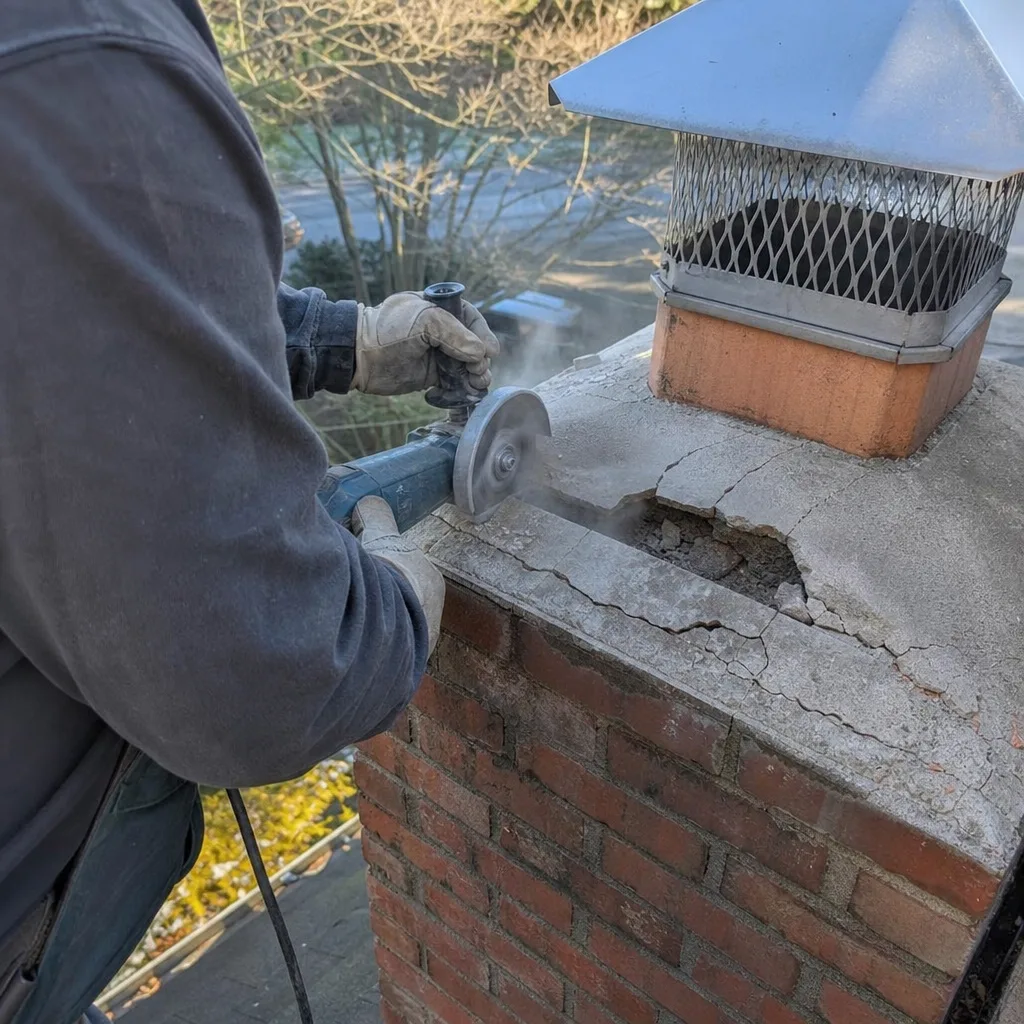
Kirkland’s wet climate and its effect on chimney maintenance costs. Annual rainfall exceeding 38 inches, concentrated October through April, keeps masonry saturated. Water enters through crown cracks, deteriorated mortar, or missing chimney caps, then freezes in December and January. Spalling accelerates. A cleaning in October, before the heating season, often reveals water damage that went unnoticed through summer. The cost implication: a $280 cleaning may identify $400 to $1,200 in crown sealing, tuckpointing, or cap replacement that prevents $3,000 to $8,000 in rebuild costs later. The documentation matters here. Photos from a Level 2 inspection, dated and archived, establish the condition timeline for insurance claims if water damage progresses.
The Repair Upsell Pattern: How Low Cleaning Prices Recover Margin
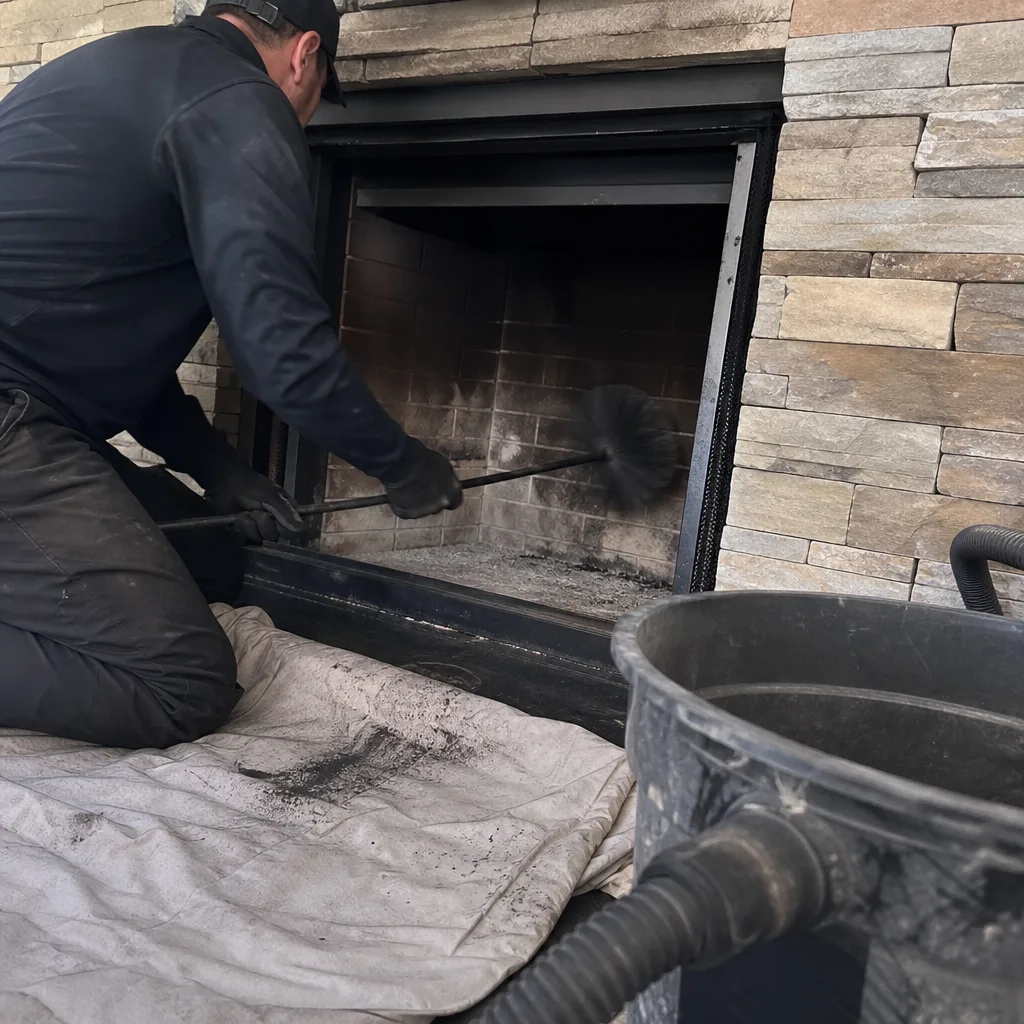
The $99 to $149 chimney cleaning special is a well-documented business model, not a seasonal kindness. Understanding how it works protects you from pressure sales and incomplete work.
The model is simple: price the cleaning below cost, send a technician who is paid commission on repairs, and use the cleaning visit to discover (or manufacture) urgent problems. The technician has financial incentive to find cracks, declare liners unsafe, and recommend immediate work. The homeowner, caught off-guard, lacks documentation to verify the claim and feels pressured to approve repairs while the technician is present.
This pattern relies on information asymmetry. The homeowner cannot see inside the flue. The technician controls the camera, the interpretation, and the urgency. Without a written report, dated photos, and time to seek a second opinion, the homeowner has no recourse.
The alternative model, which Level Two has operated since 2009, separates cleaning from repair quoting. The technician performs the documented sweep and inspection, produces the photo record and written findings, and presents a separate repair quote if needed. The homeowner reviews the documentation, consults their insurer or home inspector, and schedules repair work separately. There is no same-day pressure because the documentation speaks for itself.
Key differences in how these models present repair needs:
- Low-price model: Verbal description of damage, no photos provided, “this is unsafe to use tonight,” repair quote presented immediately, discount offered for same-day approval.
- Transparent model: Written findings with dated photos, explanation of severity levels (monitor vs. repair vs. immediate hazard), repair quote as separate document, free second opinion offered on any written estimate.
In Kirkland, we’ve reviewed competitor quotes brought in under our Free Second Opinion policy. Some recommended $2,800 liner replacements for clay tile cracks that NFPA 211 classifies as monitorable. Others declared chimneys “unsafe to use” based on flashlight observations that our camera scan contradicted. The Haven Standard’s Clause 1, “Have it in writing,” exists precisely because verbal claims evaporate and written records endure.
Materials sourcing also separates transparent pricing from opaque markup. We procure liners and components through Haven’s buying network from DuraFlex, HeatShield, Gelco, Olympia Chimney, and Famco, with pricing structured to keep customer costs honest. When a repair quote specifies the material brand and model, you can verify the price. When it says “stainless steel liner, $3,500,” you cannot.
What a Written Warranty Should Cover, and What It Usually Excludes
A warranty on chimney cleaning work is not standard in the industry, which should tell you something. When offered, it ranges from a verbal “we stand behind our work” to a printed document with defined terms. Evaluating a warranty requires reading what it actually promises, not what the word implies.
What a meaningful warranty covers:
- Workmanship defects in the cleaning itself. If creosote remains that should have been removed, or if debris from cleaning damages the firebox or damper, the company returns to correct it at no charge.
- Documentation accuracy. If the photo record or written report contains errors that affect your insurance claim or home sale, the company corrects and reissues the documentation.
- Follow-up access. A defined period, typically 30 to 90 days, during which the company will re-inspect if you report draft problems, odors, or performance changes after cleaning.
What warranties typically exclude:
- New damage discovered after cleaning. A warranty does not make the company liable for cracks that worsen after inspection, unless the inspection missed visible evidence of imminent failure.
- Pre-existing conditions. Damage documented in the initial report is excluded from warranty coverage; the warranty covers the cleaning work, not the chimney’s underlying condition.
- Acts of nature. Earthquake, windstorm, or freeze-thaw damage occurring after the service date.
- Damage from improper use. Burning unseasoned wood, wrapping paper, or construction debris after cleaning voids any reasonable warranty.
How to evaluate whether a warranty is priced into the quote or offered as a sales gesture. Ask for the warranty document before booking. A legitimate warranty has a document number, effective date, and signature line. It specifies the coverage period, the claims process, and whether arbitration or small claims court governs disputes. A sales gesture is verbal, vague on duration, and disappears when you call to make a claim.
Level Two’s 365-Day Done Right Promise, stamped on every job under the Haven Standard, covers workmanship and documentation accuracy for one year. It is not an add-on or upgrade. It is included in the quoted price, with the terms provided in writing before work begins. If it’s not done right, we make it right. That is enforceable because it is documented, not because we say so.
How to Read a Chimney Cleaning Quote Line by Line
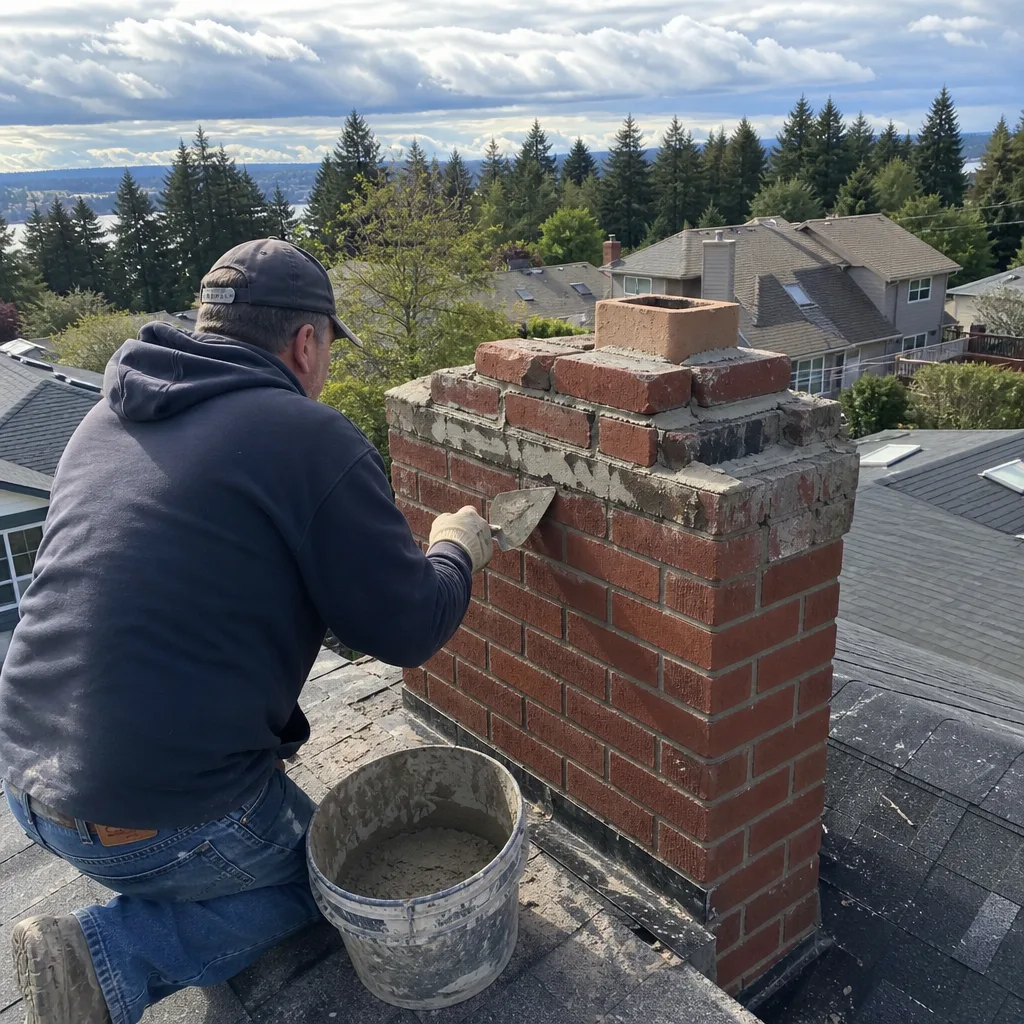
A written quote is your only protection against scope creep and price inflation. Here’s how to read one critically, with the questions to ask before signing.
Step 1: Identify the inspection level. Look for “NFPA 211 Level 1,” “Level 2,” or specific language: “camera scan of full flue,” “written report with photos,” “attic and exterior inspection.” If the quote says “inspection” without qualification, request clarification in writing.
Step 2: Verify what’s included in the cleaning scope. Does “chimney cleaning” mean the flue only, or does it include smoke chamber, firebox, damper, and exterior crown? A complete sweep addresses all accessible surfaces where creosote accumulates. Partial cleaning of the flue alone leaves hazardous buildup in the smoke chamber above the damper.
Step 3: Check for bundled repair recommendations. A quote that combines “cleaning, inspection, and any necessary repairs” into one price is not transparent. You cannot evaluate whether the repair price is fair if it is not itemized separately. The Haven Standard requires written scope, written price, and written warranty as distinct documents, not a single bundled figure.
Step 4: Confirm the documentation deliverable. What do you receive after the visit? Verbal summary, checklist, written report, digital photos, video file? Request a sample report before booking. A legitimate company has one ready.
Step 5: Review payment terms and cancellation policy. Is payment due at time of service, or is invoicing available? What is the cancellation fee if you reschedule? Reputable companies in Kirkland do not demand full payment before work begins.
Step 6: Verify license and insurance information. The quote should include a contractor license number, which you can verify through the Washington State Department of Labor and Industries. General liability and workers compensation coverage protects you if a technician is injured on your property or damages your roof.
Step 7: Ask about the technician assignment. Will you receive the name and photo of the assigned technician? Background check verification? A text when they are en route? These are standard under the Haven Standard’s “Arrive on schedule” and “Verified crews” commitments, but they are not universal in the Kirkland market.
A quote that resists any of these questions, or that pressures you to book before receiving written terms, is not a quote. It is a sales tactic. The written price before work starts is the entire point of transparent service.
Common Mistakes to Avoid
- Assuming all “inspections” are equal. In Kirkland, we’ve seen homeowners pay $160 for a “cleaning and inspection” that was a flashlight look and a carbon monoxide detector wave. The NFPA 211 level determines what you actually receive. Ask explicitly.
- Booking based on price alone without checking documentation. The cheapest quote often omits the camera scan, written report, or warranty. When you need proof of chimney condition for a home sale or insurance claim, the receipt is worthless.
- Ignoring Kirkland’s exterior chimney exposure. North-facing chimneys in Finn Hill and Kingsgate suffer more moisture damage than south-facing equivalents. A cleaning that doesn’t include exterior inspection misses the damage most likely to cause expensive rebuilds.
- Approving same-day repairs under pressure. Any technician who declares an emergency and demands immediate approval is not serving your interest. The documentation from a Level 2 inspection gives you time to seek a second opinion. We offer free second opinions on any written estimate for this reason.
- Neglecting pre-1970 offset flues. Older Kirkland homes often have flue bends that resist standard cleaning and hide creosote buildup. If your home was built before 1970 and the quote assumes a straight flue, the actual cost and time will exceed the estimate.
- Skipping the October cleaning window. Kirkland’s rain starts in earnest by mid-October. Creosote absorbs moisture, becoming acidic and accelerating liner corrosion. Cleaning before the heating season begins protects the flue and reveals summer water damage before first use.
- Failing to verify license and insurance. Unlicensed operators advertise lower prices because they skip bonding, workers compensation, and equipment maintenance. Verify any Kirkland chimney company through the state’s contractor lookup before booking.
When to Call a Professional
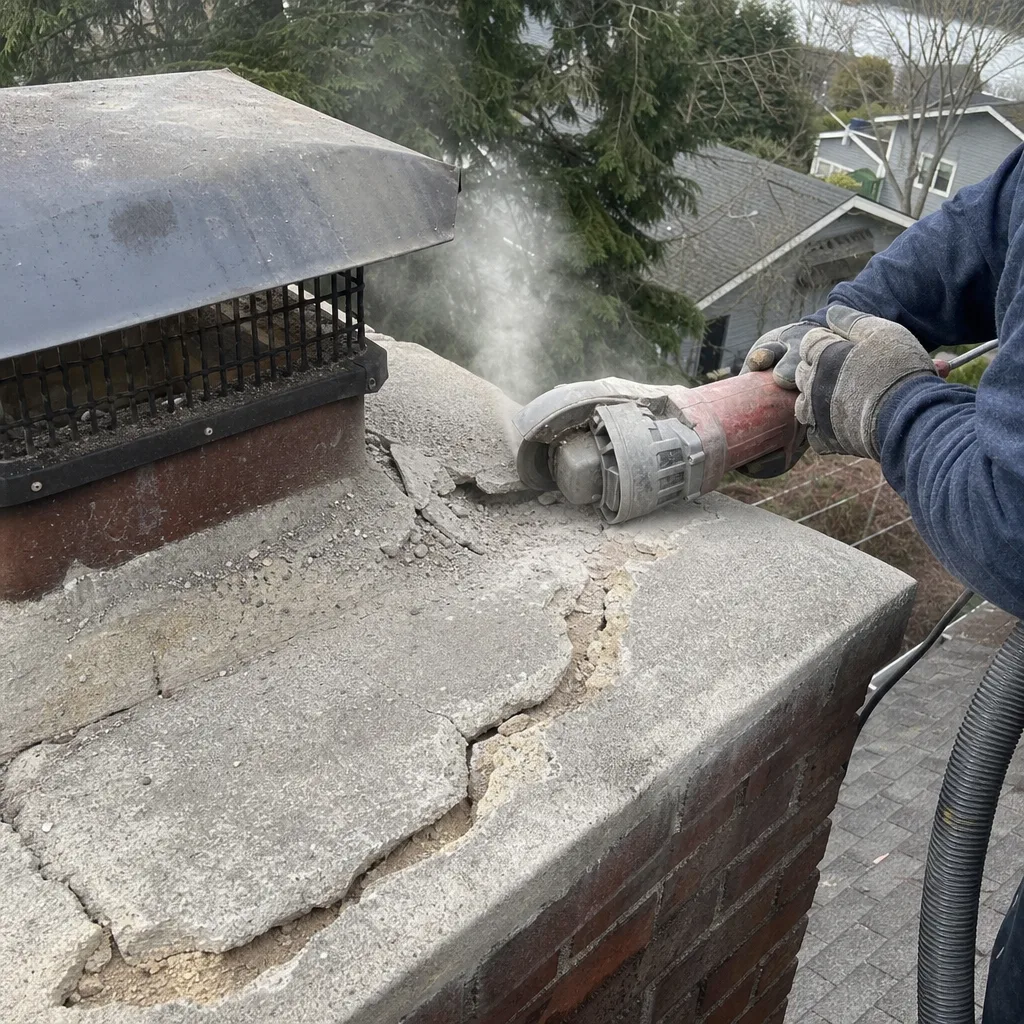
Call a chimney professional when you notice smoke backup into the room, a persistent tar-like odor from the fireplace, visible creosote flakes in the firebox, or white efflorescence staining on exterior brick. For a full list of indicators, read Chimney Cleaning Warning Signs: A Kirkland Homeowner’s Reference Guide. After any chimney fire, even a brief one, a Level 2 inspection is mandatory before next use. In Kirkland’s wet climate, water stains on the ceiling near the chimney breast or deteriorated mortar joints on the roofline signal moisture intrusion that cleaning alone won’t fix.
Chimney Cleaning & Sweep in Kirkland from Level Two includes the camera scan, written report, and documented photo record as standard. We also handle Chimney Repair in Kirkland and Fireplace Services in Kirkland with the same documentation commitment. Level Two Chimney Kirkland offers free estimates in Kirkland - call (425) 642-3485.
Frequently Asked Questions
A documented chimney sweep with NFPA 211 Level 2 inspection and camera scan costs $280 to $450 in Kirkland. A basic cleaning without documentation runs $99 to $180. The price varies by flue type, roof access, and whether the company includes travel to hillside neighborhoods like Finn Hill or Kingsgate in the base rate or charges separately. Call (425) 642-3485 for an exact quote - estimates are free.
Not always. Clay tile liners with minor cracking can often be monitored with annual Level 2 inspections if the cracks are hairline and do not expose combustible framing. Stainless steel relining becomes necessary when tiles are missing, mortar joints are eroded beyond repair, or the flue is improperly sized for the appliance. We recommend nothing without camera evidence you can see for yourself, and we clearly distinguish between “monitor,” “repair,” and “replace” in our written findings. Some conditions can safely wait a season; others cannot.
The National Fire Protection Association recommends annual inspection, with cleaning frequency determined by use and fuel type. In Kirkland, where many homeowners burn Douglas fir and western red cedar from local suppliers, the resin content creates creosote faster than hardwoods. A household burning three to four times weekly through the heating season typically needs annual cleaning. Occasional users may extend to every two years if the Level 2 inspection shows minimal buildup. The camera scan determines actual condition; calendar assumptions are unreliable.
Skipped cleaning allows creosote to accumulate, progressing from Class I (soot, easily brushed) to Class III (glazed, requires chemical treatment or rotary removal). Class III creosote ignites at lower temperatures and burns intensely, causing chimney fires that crack liners and damage surrounding structure. In Kirkland’s older homes with balloon framing, a chimney fire can spread rapidly through wall cavities. Beyond fire risk, blocked flues from creosote or animal nests cause carbon monoxide backup into living spaces. The documentation from regular cleaning also establishes a maintenance record that insurers expect after any claim.
The $149 special typically includes a flue brushing, flashlight look, and receipt. The $380 sweep includes NFPA 211 Level 2 camera inspection, written report with dated photos, attic and exterior examination, and a documented record suitable for insurance or real estate transactions. The higher price reflects equipment, technician training, report preparation, and liability coverage. One is maintenance; the other is documentation. They are not the same service with different margins.
We do not recommend DIY chimney cleaning for most Kirkland homeowners. Roof access on multi-story homes, proper evaluation of liner condition, and safe handling of creosote debris require training and equipment. More critically, without a camera scan you cannot assess flue damage or buildup severity. The savings of DIY cleaning are erased if you miss a cracked liner or Class III creosote accumulation that a professional would document. For safety, hire a state-licensed, insured technician who provides written findings.
A meaningful warranty covers workmanship defects in the cleaning, accuracy of documentation, and follow-up re-inspection within a defined period if performance issues arise. It excludes pre-existing damage, new damage from weather or seismic events, and damage from improper fuel use after cleaning. Request the warranty document before booking; verbal promises are unenforceable. Level Two’s 365-Day Done Right Promise covers workmanship and documentation for one year, with terms provided in writing before any work begins.
The Bottom Line
Chimney cleaning prices in Kirkland range from $99 to $450 because the services being quoted are not the same. The critical distinctions are inspection depth, documentation quality, and whether repair recommendations are transparent or pressured. A Level 2 camera inspection with written report costs more than a flashlight look because it produces evidence, not assurance. Kirkland’s wet climate, pre-1970 offset flues, and exterior chimney exposure add variables that national price guides miss. The homeowner who understands these components can match price to scope, avoid upsell pressure, and maintain a chimney record that protects their property value and safety. Documentation is the difference between knowing your chimney’s condition and hoping a receipt was enough.
Written by Corrine Halstead, Owner at Level Two Chimney Kirkland, serving Kirkland since 2009.